DJI Mini 4 Pro vs Air 3S in India: Which Camera Fits the Shoot?
Compare a compact vertical-video drone with a larger dual-camera aircraft through actual deliverables, site constraints and Indian operating...
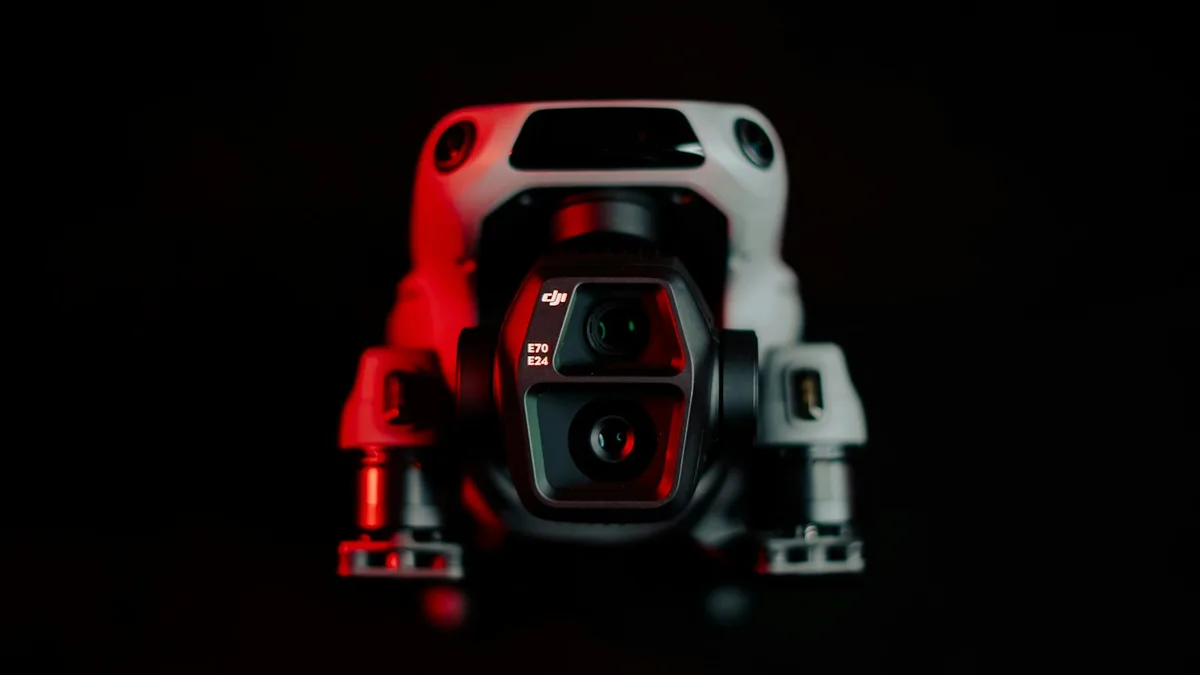
The Mini 4 Pro and Air 3S can both make attractive aerial video, but they solve different production problems. The Mini is easy to carry and offers true vertical capture with a standard-battery configuration DJI lists below 249 g. The Air 3S is a 724 g dual-camera aircraft with a one-inch wide camera and a separate medium-tele camera. The second focal length can change a property, landscape or commercial film more than a small difference in a headline resolution. In India, it also changes the aircraft class and the paperwork and operating checks a team must resolve.
Compare the DJI Mini 4 Pro specifications with the DJI Air 3S specifications. Both pages include conditions for advertised flight times and sensing. Use the Drone Rules, 2021 and DigitalSky for Indian policy and airspace. DJI's descriptions explain the equipment, not whether a paid shoot at a particular Indian location has permission. The aircraft should be chosen from the shot list and the site plan, with a serviceable local purchase route.
One camera with vertical freedom or two distinct views
The Mini 4 Pro uses a 1/1.3-inch camera and can rotate its gimbal for true vertical shooting. That is useful when the main output is a short-form phone video and the client wants a full-height frame without cropping a landscape recording. Its 4K options, D-Log M and HLG workflow can be useful for a small crew that grades carefully. The camera's single wide view encourages close, deliberate positioning. If the subject needs an isolated detail from a distant and safe position, a digital crop is not equivalent to a second optical focal length.
The Air 3S has a one-inch wide camera and a 1/1.3-inch medium-tele camera with a roughly three-times perspective. A property film can open with the wide camera, then use the tele view to compress a facade, approach road or landscape layers without moving the aircraft much closer. That can simplify a shot when the ground route, crowd or site boundary prevents a closer flight. The two cameras do not automatically match in every mode or light level; make a colour and exposure test if they will cut together. The tele camera's narrower field of view also makes framing and tracking more exacting.
This distinction is most visible in the final film. A social reel built around one person, one building and a phone screen may benefit more from the Mini's vertical mechanism. A location film that must show both the setting and selected architectural details may benefit more from the Air 3S. A product brochure's “best image quality” label does not say which deliverable gets approved by the client. Ask for the target aspect ratios, key subjects, print or screen size, and how close the pilot may safely position the aircraft before choosing.
Weight changes the operating review
DJI lists the Mini 4 Pro below 249 g with its standard battery and card, and explicitly says that the Battery Plus takes it above that threshold. The Air 3S is listed at 724 g. India's nano class is based on maximum all-up weight including payload; the Air 3S therefore does not inherit a nano exemption from the Mini. Review type certification, registration or UIN, pilot credential, insurance and the purpose of operation for the actual configuration under the current Rules and DGCA workflow. Do not generalise a personal Mini flight to a paid Air 3S assignment.
The route and airspace decision remains independent. Both aircraft must be checked against the official DigitalSky map for the planned height, route and date. Yellow and red zones need their respective official permissions; a green zone does not grant property access or permission to film private activity. A larger drone may be more visible and audible to a site owner, so set ground access and bystander controls before the crew arrives. Conversely, a small drone does not justify flying closer to people or windows because it is convenient.
Wind, sensing and return margin
The Air 3S's larger airframe can feel steadier in some wind conditions, but use DJI's published limits and a site observation rather than assuming size equals safety. Gusts at roof height may be stronger than at the launch area. The Mini 4 Pro's omnidirectional sensing has light, surface and speed limits. Air 3S sensing features have their own conditions. Neither system reliably solves thin wires, reflective glass, a sudden person entering the area or an airspace boundary. An observer and conservative path are useful with either model.
Flight-time comparisons are easy to misuse. DJI measures its maximum durations under controlled conditions. A real commercial route includes ascent, framing, wind, repositioning and a safe return. Work out how many finished shots a battery provides rather than how many theoretical minutes appear on a box. For the Air 3S, a dual-camera sequence can reduce repositioning but might tempt more shots in one flight. For the Mini, a nearby launch point and simple move can be more efficient than carrying a heavier kit to a difficult rooftop.
File handling and edit time
The Air 3S gives a team two camera streams. That is creative flexibility but also a colour-matching and file-selection task. Slate or log which focal length produced each shot, keep a consistent profile where practical, and back up originals before media cards are reused. The Mini's true vertical files are straightforward for phone output, but horizontal and vertical masters may require separate flights or careful planning. If a client expects both, decide whether to capture each framing separately. Cropping one master for every platform often weakens composition.
Test the actual workflow with a sample brief: one wide establishing move, one facade detail, one vertical social clip and one still. Edit and export them at delivery size. Evaluate how much time is spent flying, waiting for light, matching colour, selecting clips and revising. A camera feature is valuable when it reduces that effort or makes a requested image possible. If the extra tele view never appears in the agreed storyboard, it may not justify a larger aircraft and its related operations for that job.
The test should also include a difficult but realistic location, such as a tree-lined residential street or a broad industrial frontage. On a street, decide whether the tele view can exclude neighbours and number plates while still showing the subject. On a broad frontage, decide whether the Mini can approach from a permitted launch area without crossing people or traffic. These questions affect the finished composition more than a sensor chart. Record which angle is impossible and which is merely slower to capture. If neither aircraft can make the requested frame safely, redesign the storyboard or use a ground camera.
The Indian buying question
For either DJI product, verify domestic seller identity, serial numbers, invoice, registration outcome and an actual service route. The DGFT complete-drone import condition has specific restrictions and exceptions; an overseas web price cannot prove the status of an Indian listing. A seller's generic warranty statement is not the same as written repair coverage for the serial number being sold. Ask how batteries, gimbal and controller would be supported. If buying used, inspect flight and battery records and complete any official ownership transfer.
Build the choice around a real job. A small marketing crew needing clean native vertical footage at an accessible site may prefer the Mini 4 Pro. A team needing both wide and compressed views of a campus or landscape may prefer the Air 3S when its heavier-class checks and site conditions are met. Neither is a universal upgrade over the other. The better camera is the one that produces the agreed files with a lawful, recoverable flight and a support plan the owner can live with.
Contact SkyViews Aerial Drone Studio at +91 90190 56479 or skyviewsdronestudio@gmail.com. Service area: Bangalore, Karnataka and India and wider Bangalore, Karnataka and India.