DJI Mini Drones in India’s Monsoon
Plan DJI Mini flights around Indian monsoon weather using IMD nowcasts, DJI model limits and a conservative recovery plan.
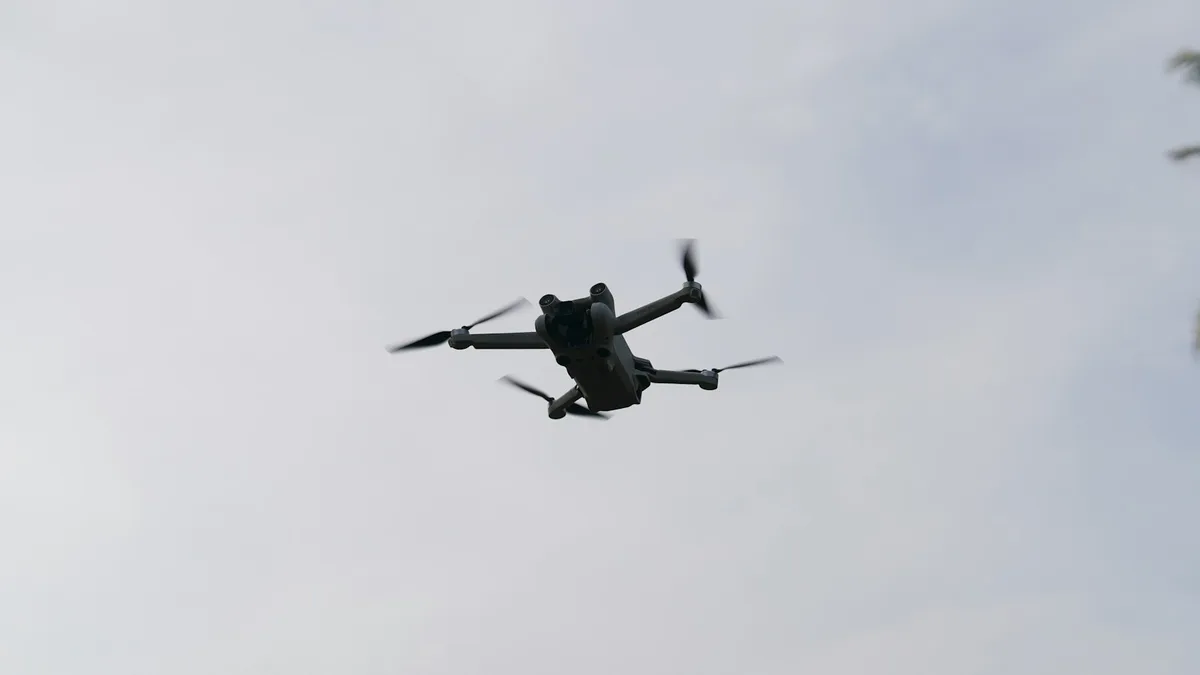
The difficult monsoon decision is often made while it is still dry. A property client wants a short aerial clip before clouds close in; the pilot sees good light between showers; the app shows a strong satellite lock. None of those facts tells the crew whether the return route will remain dry, visible and within the aircraft's wind capability. For a small DJI Mini, postponing at that point can be the most professional choice. A recovered aircraft and an undisturbed site are worth more than a few seconds of footage.
The India Meteorological Department's Mausam portal publishes warnings and nowcasts, including district-wise nowcast warnings. DJI's Mini 4 Pro FAQ says the aircraft is not waterproof, while its specifications give a maximum wind-speed resistance under stated conditions. Other Minis have their own specifications. Use these sources alongside a site observation, current DigitalSky check and the exact aircraft manual. A forecast is not a promise of safe weather at a particular roof or field.
Rain is an equipment and visibility problem
DJI explicitly answers “No” when asked if the Mini 4 Pro is waterproof. Do not generalise from a video of another pilot briefly surviving drizzle. Water can enter motors, electronics, battery contacts, gimbal joints or the controller, and damage may appear after the aircraft has landed. Rain droplets on the lens can ruin a client shot before they create a visible flight warning. Wet surfaces can also make landing hazardous, especially if the only clear patch is sloped or muddy. A plastic cover over the controller does not waterproof the aircraft.
The first decision is whether the route, return area and forecast window can reasonably remain dry. If rain is already falling, or a cell is approaching and the flight cannot end with a large margin, postpone. If rain starts unexpectedly in flight, follow the model's manual and choose the nearest safe landing rather than trying to finish the shot. Avoid a hurried descent toward people, vehicles or water. After a suspected wet landing, do not charge a possibly wet pack to see whether it survived. Isolate and inspect the equipment using manufacturer guidance or qualified service.
The wind at camera height is not the wind at your feet
DJI lists the Mini 4 Pro's maximum wind-speed resistance as 10.7 m/s. The original Mavic Mini lists a lower 8 m/s. These are model-specific performance claims, not recommended operating speeds for a client shoot. Gusts can exceed a reported average, and wind often changes above a sheltered courtyard or behind a building. A lightweight aircraft may maintain a stable-looking video image while using considerable power to hold position. The app's remaining-battery estimate may change as the aircraft turns into wind on its return.
Assess the site from the intended altitude and terrain. Rooftop edges, towers, trees and narrow valleys create turbulence. A straight outward path with a tailwind can conceal the problem until the aircraft must fly back into a headwind. Leave enough battery to turn and return early. If the drone struggles to hold position, its ground speed toward home falls sharply, or warnings appear, stop filming and recover. Choosing a closer camera position is usually better than trying to use the product's maximum transmission or flight range. The legal altitude ceiling remains separate from the aircraft's wind capability.
Storms, lightning and low cloud remove the margin
The IMD nowcast is especially useful when the sky looks acceptable but thunderstorms are developing nearby. Lightning, sudden gust fronts, heavy rain and rapid visibility changes can outrun a short production schedule. A crew should set a no-go threshold in advance rather than debating it beneath a cloud. If a district warning or local observation indicates a fast-changing storm, wait for a different window. Do not use the drone as a weather probe. The battery reserve needed for a normal return does not cover an improvised search for a dry landing site during a downpour.
Low cloud and haze create a different problem: losing visual awareness. A bright controller screen does not substitute for knowing where the real aircraft is relative to people, wires and other traffic. Moisture on the lens can hide hazards in the feed. Mist can also affect sensing systems that depend on visual contrast or light, depending on model. Read the specific obstacle-sensing limitations rather than assuming “omnidirectional” means all-weather. If the aircraft cannot be observed and recovered confidently through the proposed route, do not launch.
Heat and humidity continue after the rain
Monsoon work may involve warm, humid air and a case full of equipment carried from an air-conditioned vehicle. Condensation can appear when a cold drone or lens meets humid air. Give equipment time to equalise in a sheltered place; check the lens and battery compartment before powering on. Keep cards and connectors dry. Do not seal a damp drone in a hard case after landing. Dry and inspect it according to the manufacturer's guidance, and avoid charging a wet or very hot battery. A cloud break that is safe for an aircraft may still produce poor images if water remains on the camera or the subject is hidden by spray.
DJI battery and aircraft temperature ranges are model-specific. A system can overheat during a long powered-on wait for weather even when no flight begins. Finish the route and camera discussion before switching on. Use a shaded staging area and permit packs to cool between flights. Avoid leaving batteries inside a parked car. A rush to exploit five minutes of light is exactly when a crew is likely to overlook heat, a wet propeller or a missing ground observer.
Plan the route as a recoverable rectangle
Describe a small operating area, a conservative maximum height and a direct return corridor. Identify a primary and an alternative landing area that are safe in both dry and wet conditions. Confirm the landowner or venue agrees to those spots. Keep the camera plan simple: one or two essential moves first, optional variants only if weather remains stable. Do not send a Mini behind a building or line of trees to chase a wide reveal during uncertain weather. A clear observer should watch the weather and the air, while the pilot controls the aircraft.
Check DigitalSky for the route and height before the flight, even if a weather delay moves the shoot to a different time or launch point. Green airspace does not guarantee safe conditions. Yellow or red requirements do not disappear because the flight will be short. Ground permission and bystander control must also be current. Record the actual go/no-go decision, IMD observation and a brief note about wind, visibility and landing options. This creates a defensible reason to postpone when a client asks why a drone did not launch under a patch of blue sky.
A postponement is a production option
Offer a client a ground-camera sequence, interiors, editing of earlier footage or a later aerial window when rain or wind closes the plan. Set the weather rescheduling terms in the brief before the crew travels. If the site needs documentation on a fixed date, state what can be documented safely from the ground and what must wait. This is more useful than promising that a small drone can operate whenever a bigger crew is available. The weather may improve, but a responsible plan does not depend on that hope.
For an Indian Mini pilot, the practical order is: review IMD warnings and the actual sky; confirm the model's rain, wind and temperature limits; check legal airspace and site access; assess the entire route including return; and decide before takeoff whether the margin is large enough. When any of those steps remains uncertain, put the aircraft away and keep the shot for another day.
Contact SkyViews Aerial Drone Studio at +91 90190 56479 or skyviewsdronestudio@gmail.com. Service area: Bangalore, Karnataka and India and wider Bangalore, Karnataka and India.