DJI Mini 2 SE vs Mini 4K in India: Choose for the Finished Video
A practical Mini 2 SE and Mini 4K comparison for India-based creators: image files, 4K value, shared flight limits, purchase checks and a...
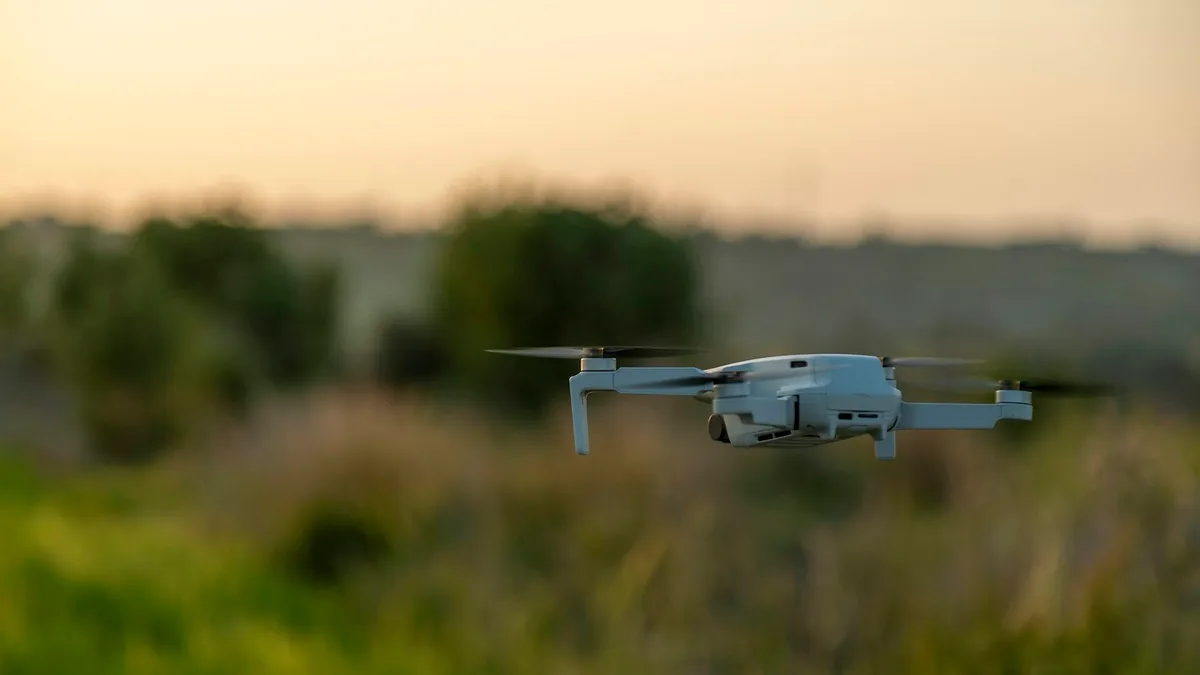
The names DJI Mini 2 SE and DJI Mini 4K suggest a large generational gap. DJI's own specification page shows a narrower distinction: these are closely related compact drones with the same stated 12 MP, 1/2.3-inch sensor size, three-axis gimbal, DJI O2 transmission system and 31-minute laboratory maximum flight time. The decisive camera differences are the available video recording modes and maximum video bitrate. Mini 2 SE tops out at 2.7K/30 and 40 Mbps; Mini 4K adds 4K/30 and lists 100 Mbps. Neither name should be used as shorthand for a larger sensor, obstacle-sensing safety net or unrestricted flight in India. Verify the details on the shared DJI Mini 2 SE and Mini 4K specification page.
For a buyer, the useful question is what the final file must do. A short web reel viewed on a phone may not justify a camera upgrade by resolution alone. An editor who must crop a landscape frame for two aspect ratios, supply a sharper 4K master or preserve detail in a wide property view has a stronger case for Mini 4K. The answer should come from a written delivery brief and sample footage, not from the larger number printed on a box.
The specification difference that matters
DJI lists both aircraft at 246 g in their standard configuration on the common specs page, subject to actual variation. Both use a 12 MP 1/2.3-inch CMOS camera with a 24 mm-equivalent field of view and f/2.8 aperture. Both can produce JPEG and DNG stills. The Mini 4K's named upgrade is not a new sensor class; it is 3840 × 2160 video at up to 30 fps and the listed 100 Mbps maximum bitrate. Mini 2 SE records 2720 × 1530 video at up to 30 fps, with a listed 40 Mbps maximum bitrate. DJI also lists higher frame-rate modes at lower resolutions for these models. Confirm the exact mode before promising slow motion in a particular final format.
Higher pixel count gives an editor more room to crop a moderate amount from a 4K source into a 1080p delivery. It does not make a zoomed image equivalent to moving the camera closer. Digital zoom discards image area and may exaggerate noise or compression. A 100 Mbps ceiling is an encoding specification, not a promise of twice the visual quality of a 40 Mbps file. Compare original clips at the same location, light, movement and export settings if the difference matters to the project. Avoid a comparison based on social-media uploads, which introduce their own compression.
The still-photo decision is different. DJI lists JPEG/DNG raw photos for both. A photographer selecting daylight property stills may see a smaller practical gap than a video editor choosing between 2.7K and 4K. Raw capture allows more deliberate colour and highlight work, but the shared small sensor still has finite dynamic range. A well-exposed Mini 2 SE DNG may serve a web brochure better than a rushed Mini 4K shot. Neither aircraft should be sold as a replacement for a larger-sensor low-light camera simply because the photo has a raw extension.
Shared flight features are not a reason to pay twice
The aircraft share DJI O2 video transmission and the same advertised 31-minute maximum under DJI's test conditions. Their published maximum link distance is a laboratory-style communication figure for specific radio regimes and unobstructed environments, not an operational flight plan for a city or a permission to cross restricted airspace. DJI's page itself warns that actual experience depends on environment, usage and firmware. Plan the flight around visual observation, a conservative battery reserve, local obstacles and the legal site conditions, rather than a kilometre claim from marketing copy.
DJI gives both a three-axis mechanical gimbal. This is valuable for smooth movement but does not prevent blurred frames if the aircraft vibrates, propellers are damaged or a pilot yaws too abruptly. The shared downward sensing system supports positioning under conditions described by DJI; it is not forward, side or rear obstacle avoidance. The DJI FAQ for these models is worth reading before an upgrade decision. A buyer who needs automatic sensing around trees, balconies, scaffolding or façades should evaluate a different platform and a more cautious flight design, not assume the Mini 4K name includes that feature.
Both are compact enough to travel easily, but the advantage also creates limitations. Wind around high-rise buildings is inconsistent, and a wind-resistance rating is not a licence to launch into gusts or rain. The manufacturer's 0–40°C operating-temperature range matters in Indian summer conditions; a shaded takeoff area and cool battery storage are sensible, while leaving a pack inside a parked car is not. A small drone still needs a clear launch area, emergency landing options and a spotter where site complexity warrants one.
Decide from three sample assignments
For a social-media agency delivering 1080p reels, ask whether the camera will shoot landscape and crop to portrait. Mini 4K's extra pixels can help a moderate crop, although neither model provides the true vertical shooting mechanism of certain later Mini products. If the intended frame is tall, plan that crop before flying; leave the subject centred and give text overlays breathing room. A 4K label cannot recover a building that was framed too tightly. If direct landscape 1080p delivery is sufficient, compare actual sample files before paying for a resolution difference the audience may not notice.
For a real-estate assignment, list the outputs: wide establishing clip, approach sequence, roof context, vertical cut, individual still photographs and perhaps a panorama. Mini 4K is the more flexible video source for alternate crops and a 4K master. Both can make raw stills, so the photographer should compare lens condition, exposure and gimbal stability on the units being offered. Client permission, privacy and a lawful flight location need to be settled separately. Do not promise a high-rise balcony inspection from either aircraft merely because a promotional image looks close to a building.
For construction progress, repeatability and records are often more important than headline resolution. The brief may require the same camera position each month, a consistent naming scheme, timestamps and a clear archive. Mini 2 SE can be adequate for context photographs or a simple HD progress clip if its output passes the client's review. If the job requires close inspection of cracks, precise measurements or survey-grade mapping, neither camera should be assumed sufficient. Specify the measurable requirement and validate a separate capture workflow. A 4K video frame does not confer mapping accuracy.
India purchase and compliance checks
DJI's statement that training is unnecessary in many countries is not a substitute for Indian rules. The Drone Rules, 2021 define the nano class by maximum all-up weight including payload, and require airspace verification before operation. Accessories can change the actual weight. Check the aircraft in its intended configuration and inspect the current DigitalSky airspace map for the proposed location and day. A green-zone reading, if applicable, does not remove responsibility for other site, safety or privacy conditions. DJI's geofence map and India's airspace map are separate systems.
The purchase channel is another separate question. The DGFT notification governing drone imports sets restrictions and specified exceptions for complete drones. A product listing or local invoice alone cannot settle import provenance, manufacturer warranty, service access or operation permission. Check the current policy, request the seller's documentation and get transaction-specific advice when the purchase has commercial or customs implications. Do not quote an overseas DJI store price as an Indian street price without live local evidence.
Inspect the exact unit, whether new or used. Ask the seller to demonstrate the aircraft in the DJI Fly app, identify the controller and battery models, show the firmware state and produce original footage. Check for gimbal errors, damaged propellers, battery swelling, poor battery seating and incomplete charging accessories. If buying used, follow a full Mini 2 inspection process; much of the physical and transaction checklist applies to this closely related airframe family. Do not assume every accessory crosses between versions without confirming part compatibility in current DJI documentation.
A simple decision worksheet
Write down four facts before comparing asking prices. First, the required output resolution and aspect ratios. Second, whether the delivered photos must be DNG, JPEG or both. Third, the condition and number of safe batteries in the actual bundle. Fourth, the total cost of missing parts and a realistic service route. Then ask for one original clip from each candidate. View both on the target editing screen, export the required landscape and portrait versions, and decide whether Mini 2 SE's source survives the crop. If it does, its lower capture ceiling may have no effect on this brief. If it does not, Mini 4K's 4K source has a practical value that can be priced.
Keep the comparison honest: a healthy Mini 2 SE with three sound batteries may be more useful than a Mini 4K with one ageing pack and a faulty gimbal. The opposite can also be true when a 4K master is specified. Marketing claims about range, zoom and maximum endurance should not outrank the tested condition of the actual bundle. Choose on deliverables, evidence and a lawful site plan. That produces a defensible purchase decision even when local availability and prices change.
Plan your project
Share your site, dates and intended output so we can confirm a suitable scope.
Explore managed drone services · Compare project scope · Get in touch
Related reading
- DJI Mavic Mini vs Mini 2 in India: Which Used Drone Is Worth Buying?
- Buying a Used DJI Mini 2 in India: A Field Inspection Checklist
- DJI Mavic Mini in India in 2026: A Practical Buyer and Flight Guide
Contact SkyViews Aerial Drone Studio at +91 90190 56479 or skyviewsdronestudio@gmail.com. Service area: Bangalore, Karnataka and India and wider Bangalore, Karnataka and India.