DJI Mini Batteries in Indian Heat: Storage, Charging and Air Travel
A practical battery workflow for Indian DJI Mini owners, from hot-weather shoots to storage and passenger flights, using DJI and IATA primary...
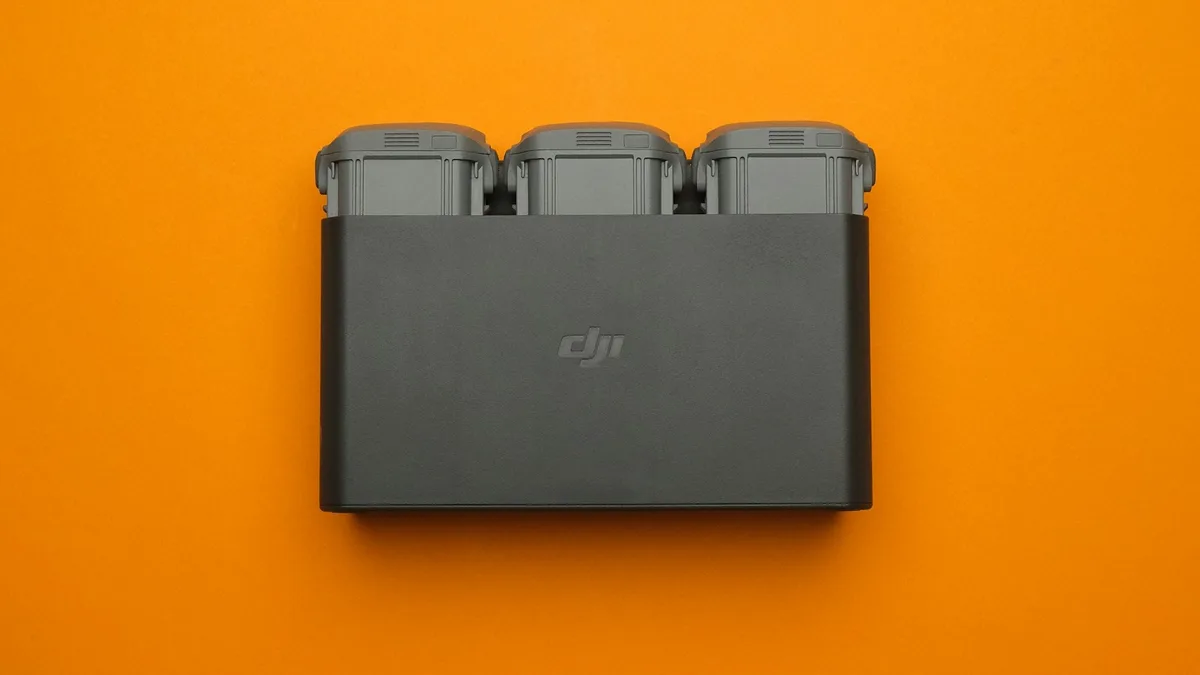
A DJI Mini battery is small enough to fit in a pocket, yet it carries enough energy to demand careful handling. In India, a drone may move between an air-conditioned room, a parked vehicle, a sunny launch surface and a humid coastline on the same day. Those changes matter more to battery health and flight margin than the advertised maximum minutes. A sensible workflow treats charging, transport, flight and storage as separate stages and checks the exact battery model at each one.
DJI publishes model-specific battery specifications, automatic discharge behaviour and overheating guidance. IATA's 2026 passenger guidance addresses air carriage. Read the current manual and airline policy for your actual battery; a rule remembered from another model or carrier can be wrong. This article explains a planning method, not a guarantee that a particular airline accepts a particular pack.
Identify the pack before using it
Write down the product family, battery model, capacity in watt-hours, physical condition and compatibility statement. DJI Mini batteries are not interchangeable just because their housings look similar. Some models accept more than one specified pack, with different flight-time and aircraft-weight consequences. DJI notes that a Battery Plus can put a Mini 3 or Mini 4 Pro configuration above 249 g. India's nano definition is based on maximum all-up weight including payload, so a battery swap can change the policy questions as well as the endurance. Do not fit a third-party pack merely because it locks into the compartment; check official compatibility and the current support terms.
Inspect the shell and contacts before each session. Stop using a battery that is swollen, punctured, leaking, repeatedly reporting errors or becoming unusually hot. Keep terminals clean and protected without scraping or wet cleaning the electrical contacts. Make sure the pack clicks into the aircraft as the manual describes. A loose latch is a flight risk even when the app reads a plausible charge percentage. Record the pack identity when flying several batteries so that a warning can be traced to the specific unit, not vaguely to “battery two.”
Plan charging around temperature, not a clock
The DJI Mini 2 support page lists a 5–40°C charging range for its battery; other DJI packs have their own stated ranges. The practical rule is to check the specification for the actual model, then let a warm aircraft and pack cool within that range before charging. Do not put a hot landed pack straight into a fast charger because the crew is behind schedule. DJI's overheating guidance recommends letting the aircraft stand in a ventilated, cooler environment after landing and checking that the battery returns toward room temperature. A shaded, dry place is useful. A sealed car, direct sun or a wet towel is not.
Charge on a stable, non-flammable surface with the manufacturer's recommended equipment and adequate airflow. Keep chargers away from loose fabric and moisture. Watch for abnormal smell, swelling, messages or heat. If the charging hub pauses or a battery refuses to charge, investigate instead of repeatedly reconnecting it. Firmware and battery-management behaviour can differ by model. The app's percentage is an estimate, and the time to fill the last part of a pack may differ from the first part. A production schedule should include a spare charged pack, a cooling interval and a decision to stop if the pack becomes suspect.
Heat changes the flight decision
Indian summer conditions can put ambient air near a model's operating limit, while dark surfaces and direct sun warm the aircraft beyond the air temperature. For example, DJI lists the Mini 4 Pro aircraft operating range as -10 to 40°C, subject to its published conditions. The battery may have a different range. The pilot should use the more restrictive relevant limit and monitor aircraft warnings, not assume that a successful takeoff proves the whole flight will remain within specification. Do not leave a powered aircraft stationary in the sun while discussing a shot. Complete the brief first, then power on and launch promptly if conditions are suitable.
Heat also reduces practical endurance when the crew adds repeated climbs, high-power manoeuvres or a long return into wind. DJI's advertised maximum duration is a controlled test result, not a promise for a crowded city or an exposed coastline. Set the return point using measured consumption on the day, a safe route and a generous reserve. A pack that is old or has been stored poorly deserves a more conservative plan. If the app reports a battery warning, land at a prepared area and inspect the pack; do not try to finish the last cinematic move with an uncertain power source.
Storage is a middle-charge job
DJI's intelligent batteries can automatically discharge from a high state after a model-specific interval. That feature helps manage storage but does not replace deliberate care. DJI's Mavic Mini support guidance recommends about 60% charge before storage. Follow the exact manual for your pack, store it in a dry, cool place within its specified range, and check it periodically. Do not leave a pack fully charged for weeks simply because tomorrow's shoot might happen. Do not store it empty either. The pack can continue to self-discharge, and an over-discharged unit may be unusable.
Keep batteries out of direct sun, damp bags and parked vehicles. Separate them from sharp metal objects and protect contacts. If a battery has been in rain or salt spray, follow the manufacturer’s inspection and service instructions; do not charge it to see whether it still works. A damaged lithium pack is a safety matter, not a candidate for home repair. Maintain a simple log of purchase, flights, unusual warnings and retirement. Cycle count can inform a decision, but capacity, condition and behaviour matter too.
Airline carriage is a different checklist
For domestic or international air travel, read the battery's watt-hour marking and the operating airline's current policy before packing. IATA's passenger guidance and traveller battery page emphasise protecting spare-battery terminals and carrying spare lithium batteries in hand baggage. Airline approval or quantity conditions may apply depending on capacity and carrier. Do not generalise a rule for a phone power bank to an unmarked drone battery. Identify each pack so security staff can read the rating and confirm how the drone itself must be packed under that airline's instructions.
An airline's battery acceptance does not answer customs, DGFT import policy or Indian drone airspace permissions. Carrying a DJI Mini on an aircraft does not mean it may be imported into India or flown at the destination. For an overseas purchase or cross-border trip, resolve those issues separately before travel. Within India, plan the ground route from the airport as carefully as the flight: batteries should not sit for hours in a sunlit vehicle while the crew meets a client.
A crew routine that prevents rushed decisions
Label packs and record the model, watt-hours and condition. Charge within the stated temperature range, pack them protected, and keep them cool and dry en route. At the site, inspect and latch one pack, verify the current aircraft weight and relevant rules, and fly a route short enough to return with reserve. After landing, let the pack cool, note any warning, and charge only if the conditions are right. At the end of the job, return each pack to its model's recommended storage state. Replace a suspect battery rather than trying to extract one more job from it. That routine is simple enough for a consumer and dependable enough for a small production crew.
Plan your project
Share your site, dates and intended output so we can confirm a suitable scope.
Explore managed drone services · Compare project scope · Get in touch
Related reading
- Your First DJI Mini Flight in India: A Practical Preflight Guide
- DJI Mini 4 Pro in India: Camera, Sensing and Production Workflow
- Buying a Used DJI Mini 2 in India: A Field Inspection Checklist
Contact SkyViews Aerial Drone Studio at +91 90190 56479 or skyviewsdronestudio@gmail.com. Service area: Bangalore, Karnataka and India and wider Bangalore, Karnataka and India.