Aerial Wedding Cinematography: 2026 Trends & Packages
How couples and planners can choose purposeful aerial wedding scenes, safe venue windows and a clear media package in 2026.
By SkyViews Aerial Drone Studio · Published
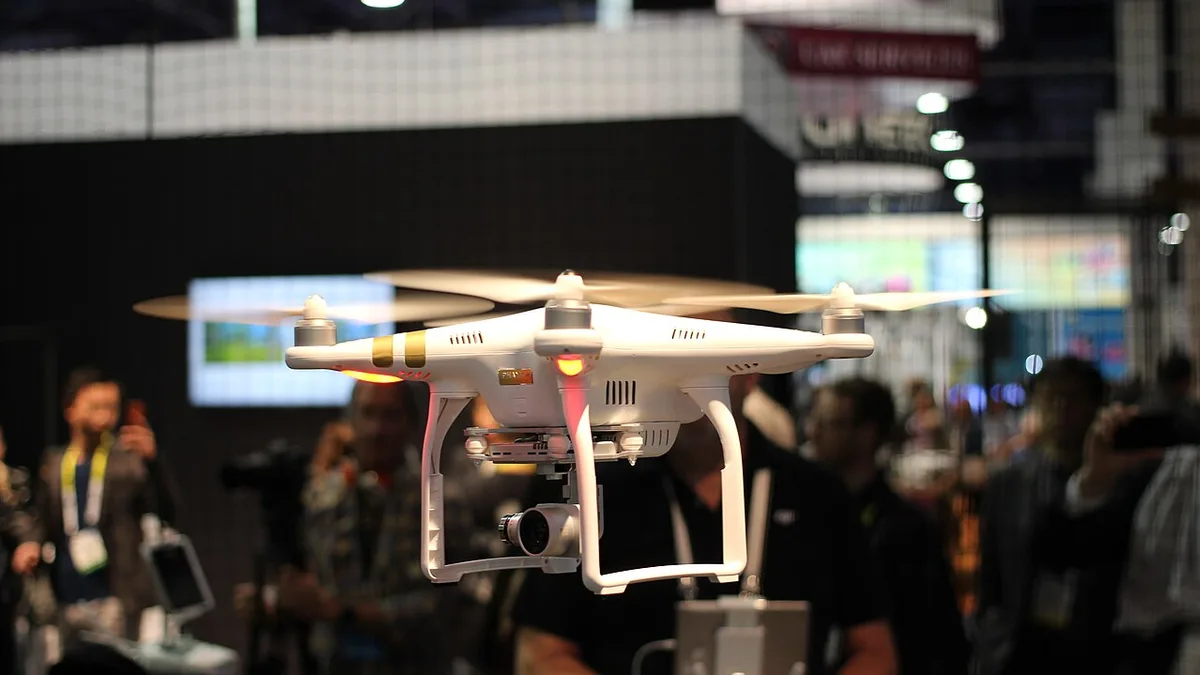
Wedding drone videography has matured from a novelty shot into a planned cinematic layer. Couples no longer want one random aerial orbit of the venue. They want the approach road, the mandap layout, the procession, the scale of the gathering, and the mood of the location captured with intention.
Cinematic Narrative & Event Production Scope
The Narrative Role of Aerial Cinematography
A drone should not just capture random flyovers. In a professional wedding film, the aerial view is used to build context, create transition points, and establish the scale of the gathering:
- Establishing Shots: Capturing the venue at sunrise — the quiet beauty of the architecture, the landscaped gardens, and the arriving guests before the ceremonies begin.
- The Procession (Baraat / Bridal Entry): Showcasing the scale, movement, and vibrant colors of the wedding procession, tracking the energy of the crowd from above.
- The Venue Geography: Highlighting the design, geometry, and floral arrangements of an outdoor lawn, pool deck, or heritage courtyard.
- Creative Portraits: Staging unique, overhead portraits of the couple in dramatic settings, using the natural environment as a canvas.
What a Professional Event Drone Package Includes
A dedicated wedding drone operation is planned with precision to ensure safety and quality:
- Pre-Event Site Survey: Assessing local airspace, identifying potential hazards (cables, trees, structures), and planning flight paths.
- Pilot Coordination: Having the drone pilot work closely with the lead ground cinematographer to align on angles, framing, and key moments.
- Multiple Batteries: Maintaining enough battery reserves to capture key highlights throughout day and evening events without interruptions.
- Suitable Capture Settings: Agree resolution and frame rate with the editor. Slow motion is useful only when the equipment, light and final story support it.
- Dedicated Editing Cuts: Delivering clean aerial clips to the wedding editor, along with short vertical edits optimized for social sharing.
Flight Safety & Guest Etiquette Over Crowds
Safety and Etiquette Over Crowds
Weddings are busy, emotional, and unpredictable. Safety must always come before spectacle. Professional drone pilots adhere to strict safety protocols:
- No Direct Overflights: Avoiding flights directly over dense crowds or the main mandap. The drone should hover at a safe distance, zoom in, and capture the action from an angle.
- Aircraft Choice: Select an aircraft and operating distance for the location. Guards or a small aircraft do not make crowd overflight automatically safe.
- Decor Awareness: Keeping a safe distance from hanging lights, floral riggings, canopy structures, and temporary power lines.
- Wind & Weather Limits: Suspending flights immediately in case of strong gusts or rain, prioritizing guest safety over footage.
When planned with care, aerial footage can show the setting and connect parts of a wedding film. The people and the ceremony still belong at the centre of the story.
Plan the story before choosing a package
Ask the couple what they want to remember. It may be the arrival through a garden, the layout of a family courtyard, a pre-wedding portrait or the scale of an outdoor celebration. Write down three moments where an aerial view will make the story clearer. A drone is less useful for vows, close reactions or speeches, where a ground camera and good sound matter more.
Give the editor a sequence, not just a list of shots. An empty-venue view can open the film; a short aerial can show how guests arrive; ground footage can then move close to the couple. At the end, a wide evening view may provide a calm closing image if conditions allow. The film should still work if weather removes that last shot.
Choose the right time at the venue
The best aerial window is often before guests arrive. The crew can show the architecture, decor and approach with fewer people moving through the area. This also reduces noise during important moments. Ask the planner when setup is complete and when vendors or vehicles will move. A venue may be beautiful at sunrise but still full of workers and temporary cables.
Share an updated venue map before the day. Mark the mandap, dining, guest paths, entrance, parking, trees, wires, lighting rigs and any space that should not be filmed. Temporary decor can change the site after a scout. The pilot needs a controlled launch area and a contact who can keep it clear. If the area cannot be controlled, the shot should change.
Treat the procession as a separate decision
A baraat or bridal entry has moving people, vehicles, music and uncertain timing. A broad view from a suitable position may show its route and colour, but an overhead follow shot is not automatically feasible. The planner and pilot should discuss the route, crowd pattern and alternate ground coverage before the event. Do not ask the aircraft to chase a crowd through a public road because the moment is emotional.
Have the ground team cover faces, music and reactions. If the aerial option becomes unsafe, the film still has the story. The couple should know that the pilot may stand down even when the procession is ready. That decision is part of a professional package, not a failure to deliver a risky shot.
Coordinate with the main photo and video team
Give the aerial crew the ceremony schedule and the ground crew's shot plan. Avoid a drone launch during vows or an interview where its sound will spoil audio. Decide who has priority at each moment and who tells the editor about the aerial files. If the drone unit only captures, agree frame rate, colour profile, file format and delivery time with the main editor.
The couple may want a short teaser, a longer film and vertical social clips. These should be planned at capture. A wide landscape shot may crop poorly on a phone. Ask for a few deliberate vertical options when the location and aircraft allow them. A same-day teaser needs a named editor and a person who can approve it quickly; it is not simply a free extra file.
Keep safety and privacy visible in the quote
The provider should check the exact site, current airspace, aircraft, weather and people separation. India's Drone Rules and live official systems are starting points; venue permission is a separate requirement. A past wedding at the same venue does not guarantee the next flight. The wedding planning checklist helps collect site details.
Tell guests how public clips may be used under the couple's plan. A person may accept appearing in a private film but not in a vendor advertisement. Mark children, private rooms and neighbouring homes for review. A 360° turn or wide aerial may show more than the intended subject. The couple should approve public versions before vendors post them.
Compare packages by output, not aircraft model
Ask what the package includes: scout, number of functions, crew, flight window, selected stills, raw clips, edited teaser, full-film contribution, social edits, travel, revisions and rights. A quote for one early-morning venue shoot is different from a multi-day destination wedding with several locations. The largest camera specification does not tell you whether the crew can work safely or deliver an edit you will watch.
The agreement should state backup dates or ground alternatives, especially for a one-day event that cannot be moved. Clarify whether the drone team edits its own footage or hands it to the lead filmmaker. Ask about storage and download time. These details matter more than a vague promise of “unlimited coverage.”
Example: a Coorg pre-wedding story
Imagine a couple planning a quiet shoot at an estate near Coorg. They want a view of the approach road, a wide landscape portrait and close moments among the trees. The team scouts access and current flight feasibility, then captures a short aerial in a suitable window. Ground cameras handle expressions, movement and sound. The couple approves the public use of selected frames.
If low cloud hides the landscape, the team changes the schedule or uses the ground scenes without pretending the aerial still shows the promised view. The finished film feels connected to the place because each image has a reason to be there.
Example: a Bangalore reception
At a city venue, the planner wants an evening reveal. The crew reviews temporary lights, guest flow and nearby buildings. It captures an establishing shot before the crowd fills the lawn and uses ground coverage for the live reception. If wind or crowd movement removes the later aerial window, the editor uses the earlier venue shot. The couple still receives a complete film with a safe and honest record.
Questions to ask before signing
Which moments need an aerial view? Who controls the venue and can pause a space? Where will guests move? Who checks live flight feasibility? What files will the main editor receive? What public use is allowed? What happens if weather or crowds prevent a shot? A clear answer to these questions is a better sign of quality than a promise to fly through every function.
Plan your project
Share your site, dates and intended output so we can confirm a suitable scope.
Wedding & Event Cinematography · Compare project scope · Get in touch
Related reading
- Wedding Drone Photography & Aerial Video Guide Bangalore
- Wedding & Event Drone Shoot Planning in Bangalore: Venue Checklist
- Wedding Venue Drone Content Planning in Bangalore: Client Guide
- Aerial Progress Documentation for Construction Sites
- India's Drone Market Paradox: Potential vs Policy
- India Drone Regulation Paradox: Growth vs Grey Markets
Contact SkyViews Aerial Drone Studio at +91 90190 56479 or skyviewsdronestudio@gmail.com. Service area: Bangalore, Karnataka and India and wider Bangalore, Karnataka and India.