Chimney and Industrial Stack Drone Inspection in India: Planning Guide
How factories and power facilities can plan visual stack, chimney, flare and high-structure inspections with safer access and traceable...
By SkyViews Aerial Drone Studio
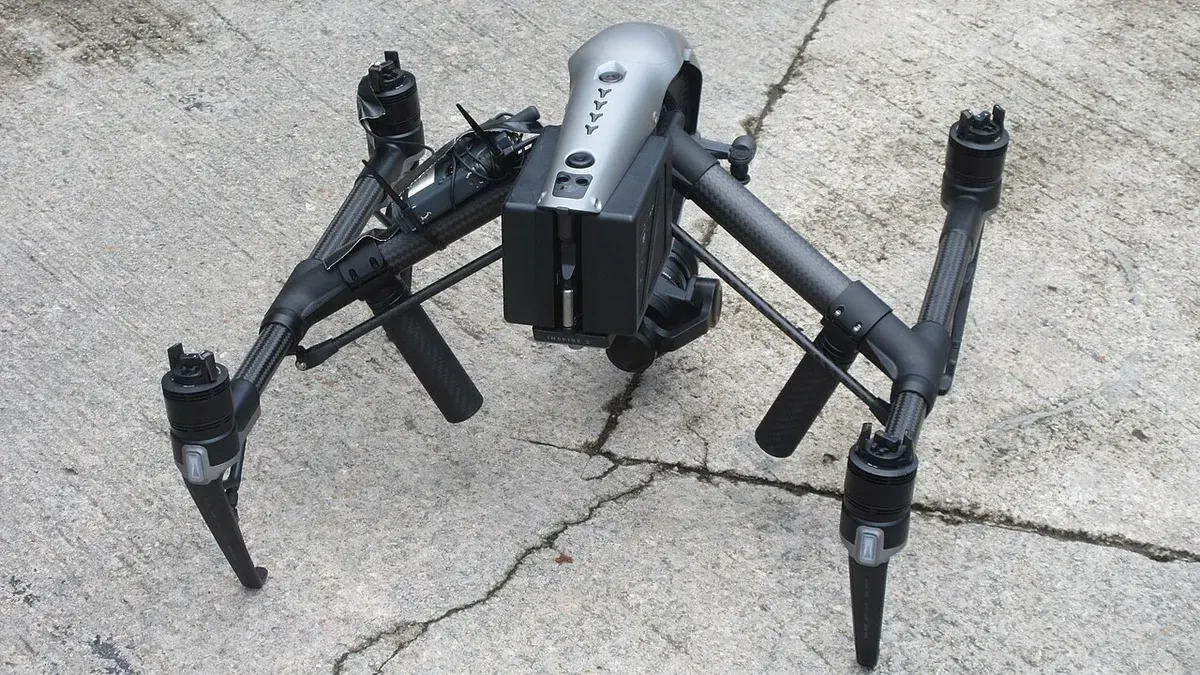
Tall industrial structures can be difficult and expensive to inspect from the ground. Drone imagery may help document external surfaces, platforms, paint, visible corrosion or attachments, but the brief must separate visual evidence from structural, emissions or compliance certification.
Define the chimney or flare stack asset
Record structure ID, height range, access, platforms, ladders, vents, flares, nearby equipment and the inspection reason. State whether the assignment is a visual baseline, maintenance triage, repeat comparison, post-event review or engineering support.
Plan the industrial stack operating environment
Confirm facility access, live process conditions, heat, emissions, wind, power systems, workers, exclusion zones, radio or security restrictions and a site contact. The owner should identify conditions that make close approach unsuitable.
Capture stack inspection visual evidence
Use structure sections and asset IDs, consistent distances and image references. Record glare, smoke, heat shimmer, obstructions, inaccessible areas and any limitation that affects interpretation. Do not convert a visible mark into a safety or emissions conclusion without the appropriate professional review.
Stack inspection reporting and handover
Supply original media, selected evidence images, annotations, observations, limitations and recommended follow-up. Keep marketing edits separate from maintenance or inspection records.
Make the structure list before the flight
An industrial site may have several similar stacks, vents and flare structures. Give each one a verified asset ID and a short description from the owner. Add the side or direction names used by maintenance staff. If a structure has platforms, ladders, bands or inspection ports, note their approximate levels. The camera crew should not guess which stack is which after returning to the office. A mislabeled image can send a technician to the wrong place.
Ask why the owner needs the record now. A baseline before maintenance, a post-storm check, a paint review and an engineering investigation call for different views. Name the person who will interpret the images. If a close detail is needed at a particular level, put it in the shot list. A broad orbit may show overall form while missing a small connection or seam.
Review the operating state with the plant
The facility team should tell the pilot whether the stack or flare is active, what heat or exhaust conditions may occur, where emissions may travel, and which nearby processes or lifts are planned. Wind around a tall structure can differ from wind at ground level. Heat shimmer, smoke and moisture can reduce image quality and make a close path unsuitable. The pilot checks airspace, equipment, launch and recovery, obstacles and safe standoff with the site contact. If conditions change, stop or use an alternate method.
Do not assume a planned shutdown makes the area safe. Hot surfaces may remain, and maintenance crews may be working on platforms. Keep a clear communication channel and a stop signal. Avoid sending people beneath the aircraft or toward a stack base simply to improve camera framing. A ground lens, scaffold image or rope-access inspection may be needed where the drone cannot see safely.
Capture context before suspected damage
Start with a full-structure view that shows the asset and its orientation. Work through named height bands and faces in a consistent order. Pair every close image with a locator frame. If a ladder or platform hides the back of a connection, record the blind spot. Glare on painted metal or heat shimmer near an exhaust can make a mark look different across frames. Keep the capture time and conditions with the images so a reviewer can judge them.
Use still images where a specialist needs to zoom into corrosion, cracks, coating or attachments. Video may help show a long vertical face or site context, but a fast moving frame is poor evidence of a small defect. Avoid overstating resolution: a visible line may be a seam, shadow or mark. The responsible engineer or inspector decides what it means after appropriate follow-up.
Keep observations and technical findings apart
A drone can show visible staining, missing-looking coating, displaced-looking items or an obstruction. It cannot measure wall thickness, test welds, confirm structural strength or prove emissions compliance. Write “dark patch visible on the east face near platform two” rather than “corrosion failure.” If something looks time-sensitive, notify the plant contact during the visit. The site then follows its own safety and engineering process. Do not wait for a promotional edit to communicate a possible maintenance concern.
The report table should list structure ID, face, approximate level, frame reference, visible observation, obstruction, reviewer and next action. Mark areas not covered. A smooth-looking image is not proof that hidden surfaces are sound. If the facility compares this visit with older photos, check the old image's date, viewing direction and coating or repair history before calling a difference new.
Plan repeat inspections around decisions
A recurring programme can use the same structure IDs, level bands and broad viewpoints. Record shutdown state, weather, process conditions and any changes in access. A new platform, paint layer or repair can change how the surface looks. Put these events in the asset register. A side-by-side report can then show visible change without treating every colour difference as deterioration.
Ask the maintenance team which images led to action. Remove unnecessary views from later visits and add targeted ones where a specialist needs more detail. The drone record can reduce uncertainty before a climb, but it does not automatically remove the need for access inspections or tests. A clear follow-up list is more useful than a large folder of repeated orbits.
Handle sensitive plant imagery
A wide stack shot may show process lines, security routes or other equipment in the background. The plant should set no-film areas and review both original and edited images before external sharing. Keep technical evidence restricted to the team that needs it. A public case study or corporate film should use a separately approved selection and accurate captions. Do not imply the plant is operating at a particular rate or meeting an environmental standard from an aerial view alone.
Agree on file naming, storage and retention. Label the asset, face, date and image number without exposing restricted details to the wrong recipient. Keep raw and annotated versions distinct. If a reviewer asks for a crop, preserve the original in the controlled archive so the evidence remains traceable. The commercial data-security guide gives a fuller handover checklist.
Example: paint and attachment review
Suppose a factory asks for a baseline of two exhaust stacks before planned coating work. The maintenance lead supplies asset IDs, height bands and a shutdown window. The pilot scouts safe positions and captures a full view of each stack, then labelled views of the coating and external attachments. Smoke briefly obscures the upper face of one stack, so that section is marked as not covered. The report records a visible discoloured area but does not call it corrosion depth or structural loss.
The plant engineer reviews the frames and decides where a specialist must inspect from access equipment. After coating, a repeat drone visit uses comparable views to document the visible finish. The contractor's inspection and test records remain the evidence of accepted work. The aerial imagery helps locate and compare surfaces without taking over the engineer's decision.
A scope checklist for industrial clients
Send the asset IDs, drawings or band labels, inspection question, process state, safe operating window, site contact, no-film areas and preferred deliverables. Ask for full-structure and detail coverage, a gap list, image references, original files and a simple escalation route for urgent observations. Define who reviews technical claims and who may publish any selected image. The best stack report gives a specialist the exact visible evidence and its limits, not an unsupported “pass” or “fail.”
See the industrial inspection report template and utility inspection guide.
FAQs
Can drones inspect a chimney while the plant is operating?
It depends on the facility’s process conditions, safety plan, equipment, weather, access and current feasibility. The site owner and pilot must make the operating decision.
Can a drone certify stack safety?
No. It can provide visual evidence, while certification and technical conclusions require the responsible engineer or inspector.
Can repeat stack inspections be compared?
Yes, when structure IDs, capture positions, dates, conditions and reporting standards are kept consistent.
Plan your project
Share your site, dates and intended output so we can confirm a suitable scope.
Industrial Inspection · Compare project scope · Get in touch
Related reading
- Industrial Drone Inspection Report Template: Evidence, Limits & Handover
- Industrial Roof & Facade Drone Inspection in Bangalore: Scope and Deliverables
- Industrial Shutdown Drone Inspection Planning in India
- Thermal Building-Envelope Drone Inspection in India: Scope and Limits
- Lender and Real-Estate Drone Due Diligence in India: Visual Review Guide
- Road-Widening Drone Corridor Mapping in India: Planning Guide
Contact SkyViews Aerial Drone Studio at +91 90190 56479 or skyviewsdronestudio@gmail.com. Service area: Bangalore, Karnataka and India and wider Bangalore, Karnataka and India.