Commercial Drone Data Security in India: Client Planning Guide
How clients can plan access, transfer, retention, source files, sensitive imagery and public-release controls for commercial drone data.
By SkyViews Aerial Drone Studio
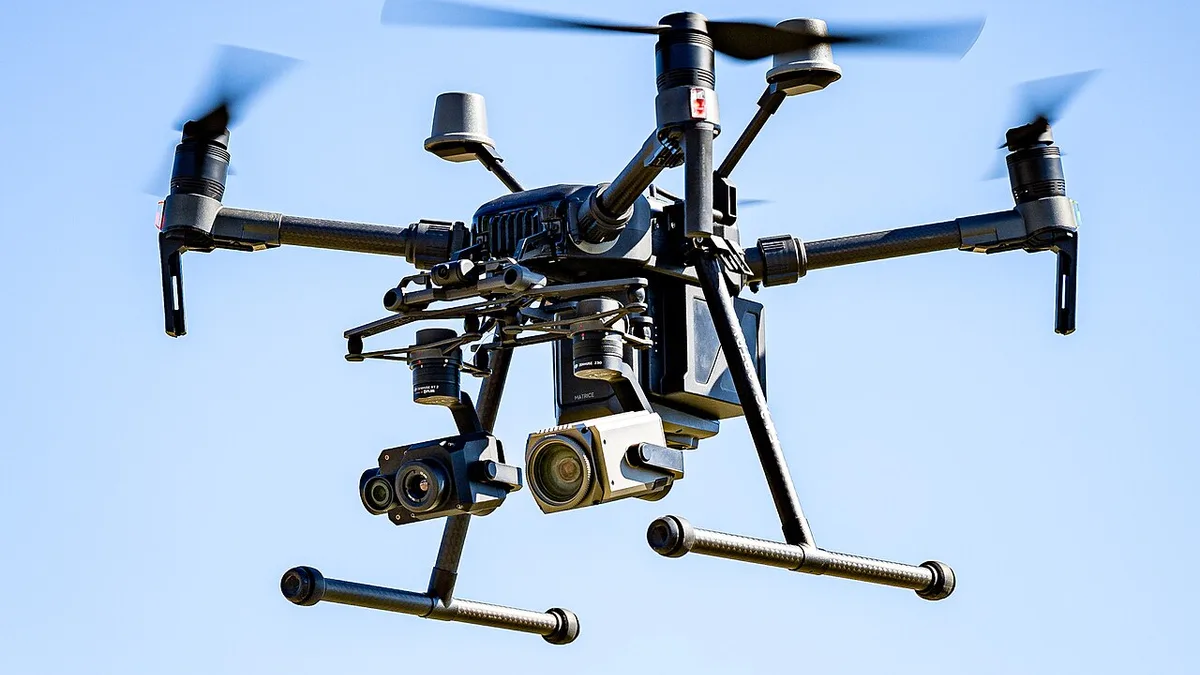
Commercial drone projects may create more sensitive data than a finished social video suggests: original files, site layouts, roofs, people, vehicle plates, security details, maps, inspections and facility operations. Data handling should be agreed in the brief and contract.
Classify the media
Separate public marketing content, internal progress records, inspection evidence, mapping data, personal information, security-sensitive imagery and client-supplied material. The classification should determine who can access and publish each output.
Plan transfer and access
State delivery method, download window, approval contact, folder structure, password or access process where applicable and whether source media or project files are included. Avoid sending sensitive files to an unnecessarily broad distribution list.
Define retention and deletion
Agree archive period, backup responsibility, deletion request, version history and what happens after the project closes. Retention should match business need, sensitivity, written terms and any applicable client requirements.
Review before publication
Check faces, plates, addresses, windows, security equipment, private property, map labels, restricted assets and captions. A public edit can reveal information through its background even when the main subject is harmless.
Ask what the project will create
A short film may come from hundreds of original photos and clips. A mapping job may also create an orthomosaic, point cloud, model, flight log and processing project. An inspection job may include close views of a roof, gate or utility. Before the shoot, ask the producer to list the files it expects to create and which of them the client actually needs. This makes storage, transfer and deletion decisions practical instead of vague.
Use plain labels for sensitivity. A public hero video is different from an internal construction record. A frame with a person's face is different from an empty landscape. A map that shows access controls or equipment may need a smaller audience than a general site photograph. Give each class an owner who can approve its release. Do not assume that all files from one flight have the same permission simply because they sit in one camera card.
Put the handling rules in the brief
Agree where the camera cards go after landing, who copies the files, where working copies are stored and whether a subcontractor or editor will receive them. State the approved transfer method and recipient names. A generic shared link that can be forwarded broadly is a poor fit for a sensitive facility report. If a cloud service is used, ask who controls access and when links expire. If a physical drive is used, record who receives it and how a second copy is protected.
Decide whether the client wants raw originals, selected originals, edited masters, project files or only final exports. Raw files may be needed for an engineering record, but they can also contain private or security detail that a marketing team does not need. A delivery manifest should identify file names, versions, date, purpose and any missing or withheld files. The file-manifest guide explains how to make a large handover easier to verify.
Keep a simple access list
Name people or roles who may see each output. A site engineer may need the full inspection set. A communications agency may need only approved public frames. A building owner may need the archive while a tenant receives only its own area. Review access when staff or vendors change. If someone leaves a project, remove unneeded shared access rather than relying on an old email thread to explain who still has files.
Use separate folders or workspaces for raw evidence, working edits and release-approved assets. An editor should not accidentally pull an unapproved close image into a social clip. Give approved files clear version names, and retire superseded versions from the active folder. Keep a small approval record with the person, date and intended channel. A file that was approved for an internal deck is not automatically approved for a paid advert.
Check the whole frame before release
A crop can show a harmless building while the original shows a guard position, plate or neighbour's window. Zoom into the background during review. Check map overlays, captions, subtitles, file names and geolocation metadata as well as the picture. The client should verify claims about location, capacity, completion and access. The production team should verify that the final export matches the approved cut. If a detail cannot be removed cleanly, choose another shot rather than assuming viewers will not notice it.
Make the public release small. A few reviewed stills and a final film are easier to control than a full raw folder. Put the approved channel and licence in the delivery note. If an agency later wants to reuse footage in a new campaign, review the new purpose and current site conditions. A security layout or tenant list may change after the original approval.
Set retention by purpose
There is no useful universal number of months for every drone file. A construction dispute record may need a different life from a social reel's working proxies. Ask the client what it must keep, who owns the long-term archive and whether a contractual or legal hold applies. Put the agreed period and deletion method in writing. Distinguish the working copy, backup copy and client-delivered copy. Deleting one shared folder does not prove that every backup or editor copy is gone.
At project close, send a short record of what was delivered, what remains archived, who can access it and the planned review or deletion date. If the client asks for early deletion, check any agreed hold or outstanding correction first and document the result. Do not promise that every file can be recalled after it has been downloaded by several recipients. Smaller access lists and time-limited transfers reduce that problem from the start.
Handle corrections without losing the record
Sometimes an image is mislabelled or a sensitive detail is discovered after delivery. Create a corrected version with a clear new name and note what changed. Tell recipients which earlier export to stop using. Keep the original under controlled access if it is needed as evidence, rather than silently editing it. For a public post, correct the caption or remove the asset promptly according to the client's approval process. A traceable version history is especially useful when several teams have downloaded the same material.
If a client reports a misplaced drive or exposed link, the project contacts should know whom to alert. The response may include disabling access, checking downloads, informing affected parties and documenting the event under the client's own process. The producer should not improvise a public explanation or conceal the issue. A simple incident contact list belongs in the original brief for sensitive work.
Example: a factory inspection and public update
Suppose a factory commissions roof documentation and a short public film about its expansion. The drone captures close images of rooftop equipment for the maintenance report and wide views of the new building for communications. The brief marks the close images as restricted. The engineer receives a labelled inspection set. The editor receives only the wide views and ground footage cleared for marketing. Security checks the proposed public cut and asks for one frame to be replaced because it reveals an access point.
The final film and caption are approved for the website and a company social channel. Six months later, an agency requests the raw footage for a new advert. The project owner reviews the new use and supplies only the approved masters. The internal roof images remain in the maintenance archive. One shoot has served two purposes because the files and permissions were separated before delivery.
Questions to ask a provider
Ask for the expected file types, where copies will be held, who can access them, how transfer works, whether subcontractors are involved, how long working files remain and how deletion or archive closure is recorded. Name the person who approves public release and the person who can raise a security concern. Request a delivery manifest rather than an unexplained folder. The purpose is to keep useful imagery available to the right team while preventing accidental reuse outside the agreed scope.
Use the media archive workflow and privacy guide when preparing a scope.
FAQs
Should clients receive every original drone file?
Only if the written scope includes it and the client can store and control it appropriately. Source files and finished exports are different deliverables.
How long should drone data be retained?
There is no single period for every project; agree a period based on purpose, sensitivity, contract, storage and applicable requirements.
Can sensitive imagery be used in a public case study?
Only after the client reviews privacy, security, rights, captions and approval.
Plan your project
Share your site, dates and intended output so we can confirm a suitable scope.
Explore drone services · Compare project scope · Get in touch
Related reading
- Commercial Drone Shoot Call Sheet: What to Include Before Crew Arrival
- Commercial Drone Shoot Contract Checklist for India Clients
- Commercial Facility Handover Drone Documentation in India
- Drone Mapping File Formats Explained: Orthomosaics, DSM, DTM, LAS and CAD
- Drone Client Approval Checklist: Review Video, Photos and Mapping Before Release
- Drone Inspection for Sewer and Utility Corridors in India: Planning Guide
Contact SkyViews Aerial Drone Studio at +91 90190 56479 or skyviewsdronestudio@gmail.com. Service area: Bangalore, Karnataka and India and wider Bangalore, Karnataka and India.