Golf Course and Resort Drone Photography in Bangalore
How golf clubs, resorts and leisure properties can plan aerial imagery for course layout, landscape, hospitality marketing and events.
By SkyViews Aerial Drone Studio
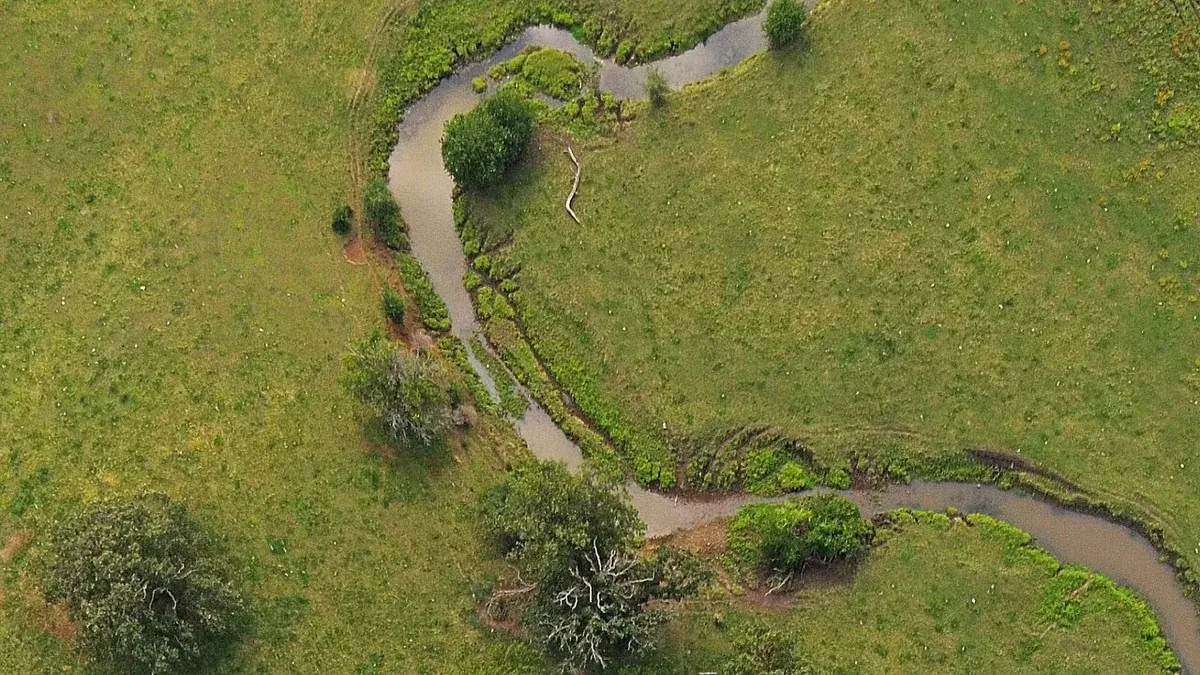
Golf courses and resort properties benefit from aerial imagery because the guest experience depends on landscape, sequence, access and scale. The production challenge is to show the property attractively without exposing guests, private activity or inaccurate amenity information.
Build a property story
Decide whether the content is for membership, a resort booking campaign, a tournament, an event, a new course, landscape documentation or an investor presentation. List the holes, amenities, arrival sequence, views and activities that matter to the audience.
Coordinate with golf course and resort operations
Confirm tee times, players, buggies, maintenance, water, wildlife, event zones, security, take-off areas and no-film locations. A quiet morning may work better than an active event for wide course imagery.
Plan landscape and detail
Use aerial views for layout and setting, then combine them with ground photography for greens, clubhouse, rooms, dining, people and activity. Record season and conditions so the final film does not imply a landscape is identical year-round.
Rights and privacy
Agree guest, member, staff, sponsor and event permissions, music, usage channels and review responsibility. See the tourism content guide and privacy guide.
Start with the guest's route through the property
A resort brochure often begins with a grand overhead view. A guest usually has simpler questions first: Where is the entrance? How far is the clubhouse from the rooms? Is the course part of the resort or a separate facility? Which areas are open to visitors? Put those questions in order before making a shot list. A short film can then follow arrival, welcome, course or garden setting, food and leisure spaces, and a clear closing view. The sequence should match how a real guest moves through the property.
For a golf club, separate the story for a first-time player from the story for a member. A new player may want to see the course setting, practice area, clubhouse and changing rooms. A member may care about course condition, events and the feel of a familiar hole. A wedding planner may want ceremony lawns and guest access instead of fairway details. One flight can capture useful views for several audiences, but the edits and captions should answer each audience's own questions.
Choose holes and views with a purpose
Filming every hole from above can produce a long, repetitive gallery. Ask the club to choose a few signature holes and explain why each matters. One may have a distinctive tee-to-green shape, another a lake, and another a view of the clubhouse. Record the hole number and direction in the shot log. If the film is meant to help players understand a hole, keep orientation clear. An attractive reverse angle that makes the green seem closer can confuse rather than help.
Plan a wide establishing view, a medium view that shows the hole's shape, and a detail view only where it adds meaning. Avoid flying over active players simply to get a dramatic line. The course manager can suggest a maintenance or tee-time gap, and the pilot can choose a safe distance. Trees, water and changing wind affect the route. A view may need to be taken from outside a playable area, or replaced with a ground shot. Keep the crew away from ball-flight paths and maintenance vehicles.
Show the resort without promising more than it offers
The camera can show pools, lawns, dining areas, rooms and paths, but a picture is not proof that an amenity is open every day. Before editing, ask the property team which spaces are operating, which are seasonal, and which need a booking or membership. Label a temporary event setup as an example rather than a permanent feature. If a room category has a particular view, film that actual room or describe the view accurately; do not combine a different room interior with an unrelated aerial window view.
Weather and season matter in Bangalore's outskirts. A course may be lush after rain and dry at another time. Use footage that represents the campaign period or give it a clear date. If the venue needs year-round marketing, capture several seasons when possible. For a one-day shoot, avoid claims such as “always green” or “uninterrupted views.” The best content sets the right expectation so a guest recognises the place on arrival.
Plan a calm production day
Ask for a property map, event calendar, tee sheet, maintenance schedule, room-occupancy constraints and site contact. Agree on no-film areas and who can pause the shoot. A sunrise window may suit the landscape, while a later window may better show activity around the clubhouse. The schedule can use separate blocks: empty course views first, controlled hospitality scenes next, then approved activity. This reduces interruptions and makes privacy reviews easier.
Walk the planned take-off spots with the venue lead. Note water, trees, guest paths, service roads and areas where equipment cannot be left. If a wedding or tournament is underway, make a separate plan for people and event rights; do not extend a quiet landscape flight into a live-crowd shoot by assumption. The pilot still checks current airspace, weather and aircraft feasibility. A ground camera may be safer for an intimate dining terrace or a crowded ceremony.
Pair aerial context with human-scale detail
Aerial views explain the course shape and resort setting. They rarely show whether a guest room feels comfortable or a meal looks inviting. Plan ground photographs or video for staff welcome, interiors, table settings, sports details and people who have agreed to be filmed. An edit that alternates wide and close views gives viewers both orientation and experience. Make sure the ground and aerial scenes tell the same story; a summer exterior paired with a different seasonal event can be misleading.
For a membership campaign, a useful sequence might open on the entrance, show the practice area, follow one signature hole, move to the clubhouse and close with a verified member benefit. For a resort booking page, begin with arrival and location context, then move to rooms, leisure and dining. Both may use the same wide property image, but their order and captions differ. The hotel and resort guide has more on hospitality deliverables.
Prepare a useful delivery list
List the exact outputs before capture: website hero film, booking-page stills, vertical reels, course-map images, event promotion or sales-deck slides. Decide whether text-free masters and raw files are needed. A portrait reel often needs its own framing; cropping a wide fairway shot later may cut out the feature that made it useful. Include simple file names with area, hole number, view direction and date so the marketing team can find the right asset.
Agree on review rounds and who signs off facts, branding and privacy. The club should check hole numbers and course claims. The resort should check room and amenity descriptions. Event partners should review sponsor marks and guest permissions where relevant. Keep original files separate from colour-graded or captioned versions. If the property changes a facility later, the asset register should make old images easy to find and retire.
A practical brief for a Bangalore-area resort
Imagine a resort with a nine-hole course, rooms, a restaurant and an event lawn. The main objective is to help first-time guests decide whether to book a weekend stay. The property team picks the entry road, clubhouse, two signature holes, room blocks and restaurant terrace as priority views. The shoot takes wide course views during a quiet morning window. Ground images show the actual room type and food service. A separate approved scene shows a small group at the practice area. The edit follows the guest's route rather than trying to show all nine holes.
The final package includes a short website film, a few labelled stills and two vertical clips. The property team checks that the terrace and practice area are currently open to guests, and that the date of capture is kept with the files. The film can now answer a booking question without promising an experience the venue cannot provide. That is the value of a clear brief: the camera has a purpose, and the finished content stays useful after the shoot.
FAQs
Can golf courses be filmed during play?
Only after the venue and pilot assess timing, people separation, safety, privacy and current flight feasibility. Empty or controlled windows may be preferable.
Can aerial content show every hole?
It can be planned to show the agreed course context, but terrain, trees, weather and access affect the final coverage.
Can resorts use the content for booking campaigns?
Yes, when the property status, guest privacy, licence and deliverables are approved.
Plan your project
Share your site, dates and intended output so we can confirm a suitable scope.
Tourism & Hospitality · Compare project scope · Get in touch
Related reading
- Hotel & Resort Drone Photography in Bangalore: A Hospitality Marketing Guide
- Tourism Destination Drone Content in Karnataka: Film and Photography Guide
- 360° Aerial Virtual Tours for Real Estate & Hospitality in Bangalore
- Dam and Canal Drone Inspection in India: Water Infrastructure Planning Guide
- Railway and Road Corridor Drone Inspection in India: Planning Guide
- Heritage and Monument Drone Photography in India: Documentation Guide
Contact SkyViews Aerial Drone Studio at +91 90190 56479 or skyviewsdronestudio@gmail.com. Service area: Bangalore, Karnataka and India and wider Bangalore, Karnataka and India.