Drone Photography Privacy and Consent in India: Client Planning Guide
How commercial clients can plan people, neighbours, private property, sensitive areas, data handling and consent for aerial content.
By SkyViews Aerial Drone Studio
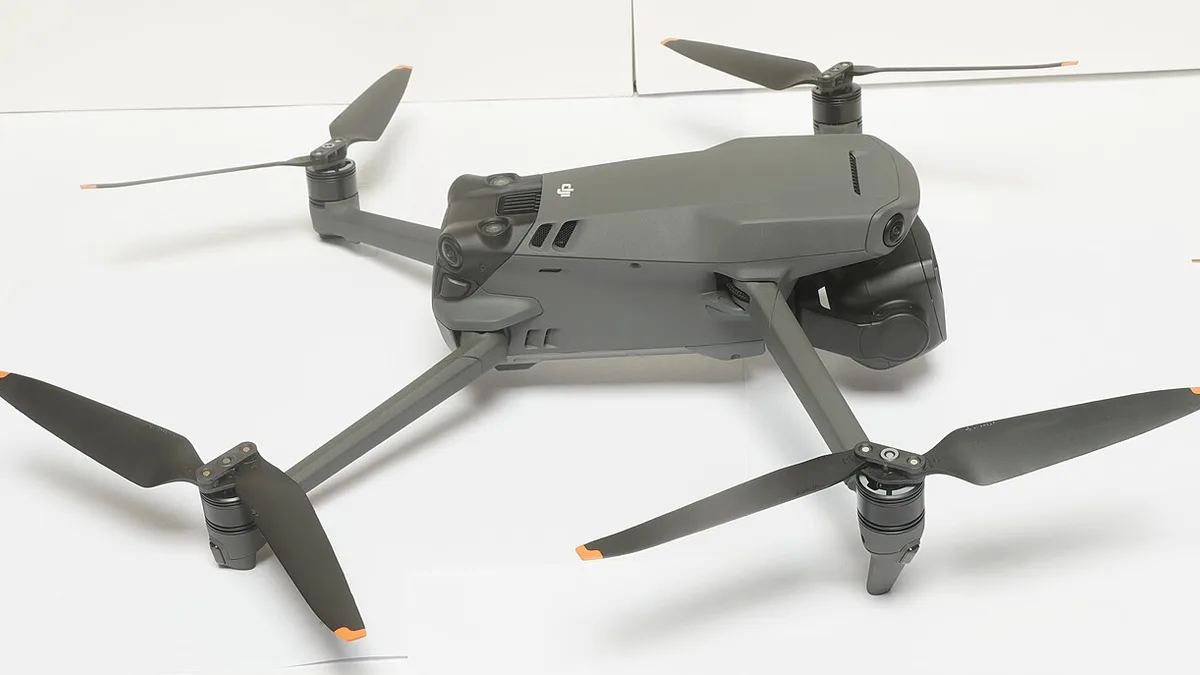
A commercial drone shoot can capture more than the client intended: people, neighbouring properties, vehicle plates, private courtyards and sensitive operations. Privacy planning is part of a professional brief. This article is practical guidance, not legal advice; sensitive projects should receive appropriate legal review.
Define the capture boundary
Mark the property, structure, event area or infrastructure corridor being documented. Identify neighbouring homes, restricted facilities, private activity, staff-only zones and viewpoints that should be avoided or masked.
Plan people and sensitive imagery
Tell the production team whether identifiable people will appear and how the content will be used. Discuss children, staff, guests, vehicle plates, addresses, security arrangements, medical or educational settings and confidential industrial processes. Changing the angle or capture window can be safer than relying only on blurring later.
Secure the media workflow
Agree who receives original files, who may download them, how long they are retained and where final exports are shared. Separate internal-review media from public marketing versions and limit access to people who need it.
Verify before publishing
The client should approve the final selection, captions, map labels, landmarks and identifiable third-party content before publication. Commissioning a shoot does not automatically give permission to publish every person or property visible in the frame.
Start with the purpose, not a blanket permission
Write down why the image is needed, who will see it and where it will be used. A dated internal roof record has a different audience from a paid campaign. A wedding recap has different people and expectations from a construction survey. This first decision helps the team capture only what is useful. The client should not assume that a property owner's approval covers every resident, guest, employee or neighbouring home that appears in the frame.
Make a simple use table: internal review, contractor handover, website, social post, paid advert or third-party case study. Name the person who can approve each use. If the project later changes from internal evidence to marketing, review the media again. A broad “all uses forever” statement in a production brief can hide real questions about people, sensitive assets and future publication.
Plan the view to collect less
Walk the proposed camera directions on a map. Mark windows, private terraces, school grounds, patient areas, staff-only spaces and neighbouring courtyards. A higher or wider shot can reveal more private detail than expected. Move the camera, shorten the route, choose another time or use a ground image where that still answers the brief. Avoid gathering close views that the client has no reason to keep. Prevention is easier than finding every incidental face in a long video later.
The pilot must still assess airspace, site access and flight safety separately. Privacy planning is not a flight permission, and a safe flight is not automatic permission to publish its images. Put both reviews into the production plan. If the site cannot be filmed without entering a sensitive view, the client and crew should choose an alternative rather than hope a blur will solve everything.
Handle people as participants, not scenery
If identifiable staff, guests or residents are central to the story, tell them the purpose, channels and filming time through the appropriate site process. Use approved participants for staged scenes. Provide a way for someone to avoid the filmed area when practical. Children and people receiving care need particular caution and the relevant organisation's process. Do not use an overhead crowd scene to bypass a consent conversation that would be obvious with a ground camera.
An incidental person in a wide landscape frame is a different issue from a close, identifiable image used in an advert. The right approach depends on the context, current law, the agreement and the organisation's privacy policy. For India, check the current official Digital Personal Data Protection Rules and their phased commencement with legal counsel where personal data is involved. This guide is a planning checklist, not a legal determination that consent is or is not required for a particular frame.
Review the full-resolution files
Preview screens can hide faces, plates, badges, screens and security details that become readable in an original file. Check the edges and background of each selected frame. Review file names, timestamps, location metadata, subtitles and map labels too. A harmless-looking clip may reveal a private address through a caption. Keep a separate public selection and do not give an editor unrestricted access to an internal inspection archive unless the work requires it.
Blurring can help when a detail is incidental and the edit remains truthful. It is not always reliable for a moving subject or a reflection. A crop may remove the issue more cleanly. If the sensitive detail is central to the shot, choose another shot. Keep the original under appropriate controls when it is needed as evidence, and label the edited derivative so the two cannot be confused.
Control sharing after the shoot
Agree on the transfer method, named recipients, download window, storage location, backup and retention period. A broad share link can travel beyond the approved team. Source footage may contain more private information than the short final film. A facilities manager may need the detailed original, while a marketing agency needs only approved exports. Use separate folders and an asset register with approval status.
At project close, record what was delivered and what remains stored. If a person raises a concern about a published frame, know who can review and remove or correct it. An approval process should include captions and new channels, not only the first video export. The data-security guide covers the file-handling steps in more detail.
Example: an apartment property campaign
Suppose a developer wants aerial images of a completed apartment block. The initial route would also film occupied balconies and a neighbouring school. The client and pilot choose a wider angle that shows the building and approach without looking into balconies. They schedule the shoot outside the school's busiest period and use ground photos for the entrance details. The marketing team reviews the full-resolution selects, removes a frame with a readable plate and approves a smaller public set.
A facility team later asks for roof images for maintenance. That is a new scope with a different audience and storage plan. The existing promotional images do not provide enough roof detail, and the new inspection originals should not automatically enter the advert folder. The two projects can share a location while keeping purpose and access clear.
Questions to settle before booking
Ask what will be filmed, why, who may be identifiable, which areas must be excluded, who owns site access, which channels will use the result and who signs off the final media. Decide where originals go, how long they remain and how corrections are handled. Give the crew one contact who can answer privacy questions on site. These choices make the final work easier to use and reduce avoidable exposure of people and private places.
Combine this guide with the pre-flight checklist and usage-rights guide.
FAQs
Can a drone shoot include neighbouring property?
It may appear incidentally, but the brief should identify sensitive neighbours and avoid unnecessary capture or publication where practical.
Who is responsible for publication approval?
The agreement should state who reviews final media, captions and identifiable content before public release.
Can sensitive details be blurred later?
Sometimes, but changing the capture plan is often safer than relying entirely on post-production masking.
Plan your project
Share your site, dates and intended output so we can confirm a suitable scope.
Explore drone services · Compare project scope · Get in touch
Related reading
- Airspace Mapping, Geofencing & DJI Dilemma in India
- Commercial Drone Pre-Flight Checklist for Bangalore Clients
- Draft Civil Drone Bill 2025: Key Rules for Operators
- Event Drone Shoot Crowd-Safety Planning Guide for Bangalore
- Sports Event Drone Photography and Video in Bangalore: Planning Guide
- Tourism Destination Drone Content in Karnataka: Film and Photography Guide
Contact SkyViews Aerial Drone Studio at +91 90190 56479 or skyviewsdronestudio@gmail.com. Service area: Bangalore, Karnataka and India and wider Bangalore, Karnataka and India.