Tourism Destination Drone Content in Karnataka
A planning guide for resorts, tourism boards, destination marketers and travel brands commissioning aerial stories across Karnataka.
By SkyViews Aerial Drone Studio
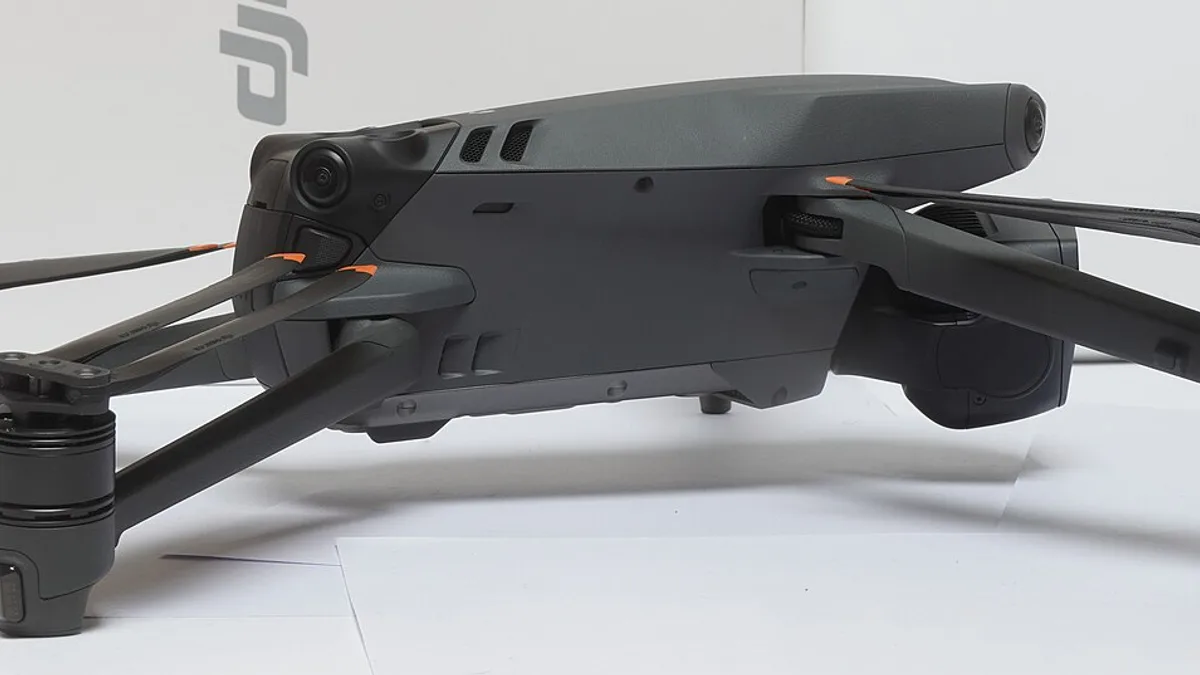
Destination marketing needs more than a generic aerial montage. The strongest tourism content connects arrival, landscape, accommodation, activities, local character and a clear reason to visit while respecting people, ecology, access and current flight feasibility.
Define the destination story
Choose whether the film sells a resort, a region, a route, a heritage property, an outdoor activity, an event or a seasonal experience. List the audience, language, publishing channels and booking action so the shot list supports a real campaign.
Build a location plan
Map sunrise or sunset viewpoints, roads, water, hills, property boundaries, visitor areas, wildlife or conservation sensitivities and alternative locations. Some scenic places have access rules or restrictions that cannot be solved by a production deadline.
Mix scale with useful detail
Use establishing views to show geography, then connect them to arrival, architecture, landscape, rooms or activities. Capture a small set of photographs, widescreen scenes and vertical clips instead of collecting hundreds of near-identical passes.
Respect people and place
Coordinate with local management, landowners, guests and staff. Avoid unnecessary filming of private activity and do not imply that a proposed facility, access route or seasonal condition is always available. Review the privacy guide before publishing.
Begin with the traveler's real question
A visitor deciding on a trip wants to know what the place feels like, how to get there, what can be done and what is open during the planned season. Aerial footage is good at showing setting and scale. It is weaker at showing service, food, room quality or a human experience. Write three questions the campaign should answer before making a shot list. For a hill resort, they might be: What is the approach? How do rooms sit in the landscape? What can a guest do in the morning? For a heritage town, the questions may concern walking routes, public spaces and local craft.
Choose one audience at a time. A family weekend, a trekking group and an overseas cultural traveler may respond to different scenes. A broad destination film can still include several experiences, but it needs a clear path rather than a random collection of hills, roads and sunsets. Link the closing frame to the next action: a booking page, itinerary, visitor information or contact point. The footage should help someone decide, not merely show that a drone visited the area.
Make a route that can really be followed
Map arrival roads, public entrances, viewpoints, trails and activity locations with a local guide or operator. Some scenic routes are private, seasonal or closed during rain. The film should not imply that guests can drive, walk or fly into a place that is restricted. Record the capture date and check current access before publication. If a road changes or a viewpoint closes, update the caption or retire the old clip.
For a multi-stop Karnataka itinerary, allow time for travel, setup, weather and site-specific checks. A camera team cannot guarantee golden light at four distant locations on one day. Prioritise the essential scenes at each site and keep a backup. Separate a wide region map from aerial images of a particular property so the viewer does not mistake one resort's facilities for those of the whole destination.
Treat protected and quiet places differently
Wildlife habitat, water bodies, religious sites, villages and heritage properties can be sensitive even when they look like open landscapes from above. Ask the site manager or relevant authority what is permitted and what should not be filmed. The pilot checks current airspace and weather, but the local permission and disturbance question is separate. A shot is not worth disturbing animals, interrupting worship or entering a private space. Where aerial capture is unsuitable, use a ground camera, approved archive footage, maps or an interview.
Work with local people rather than treating them as background texture. A market, farm or craft workshop needs a specific purpose and the right permission to show identifiable people or private work. If the campaign promotes community tourism, let the host explain what visitors may genuinely do. Avoid staging an activity in a way that suggests it runs daily when it was arranged only for the shoot.
Plan for season and weather honestly
Karnataka destinations can change greatly across seasons. A waterfall, green field or misty valley may look different a few months later. State when footage was captured and avoid “year-round” claims unless the destination operator verifies them. If a resort needs year-round marketing, plan a library across more than one season. A one-day shoot can still work, but it should describe that season accurately.
Weather also affects flight safety and image quality. Rain, wind, cloud and haze may remove a planned view. Decide in advance whether a ground scene, alternate location or rescheduled flight is acceptable. A producer should not fill a missing current shot with old footage without telling the client. Keep a shot log so the editor knows which clips belong to which day and property.
Build a scene sequence, not a montage pile
Start with a short orientation view that places the destination. Move closer to the arrival route and the main experience. Then show a human-scale detail: a room, meal, trail, guide, craft or activity. Return to a wide view only when it adds a new point, such as distance between locations or a memorable closing. This gives the viewer a simple mental map. Repeated aerial orbits may make a film longer without teaching anything new.
Plan stills, widescreen video and vertical clips deliberately. A portrait reel may need a separate camera move so the main subject remains in the centre. A website hero can use a slower, text-free view. A booking page may need a labelled image of the actual entrance. Decide on languages, captions and accessibility early. If the audience includes first-time visitors, useful directions and current visitor information may be more valuable than another dramatic flyover.
Check every promise in the edit
The property or tourism team should verify opening hours, activity availability, access, room views, transport and seasonal conditions. A drone can show a road but not guarantee a travel time. It can show a lake but not establish that swimming is allowed. It can show a ceremony lawn but not prove every booking includes the setup in the film. Put factual claims in a review sheet with the owner of each claim.
Guest faces, sponsor marks, music and neighbouring buildings need a rights and privacy review. Keep a clean master, approved captioned versions and an asset register with capture dates. If the destination changes, the team should know which files to replace. The footage usage-rights guide helps plan reuse across channels.
Example: a weekend route near a hill town
Suppose a tourism operator wants a short film for a two-night weekend itinerary. The plan includes arrival at a small resort, a guided morning walk, a local meal and one public viewpoint. The producer checks each location with its owner, keeps the walk on an approved route and chooses an aerial view that shows the resort in the landscape without filming guest rooms. Ground footage shows the guide and meal with permission. The film follows the order a visitor would experience the trip.
Rain prevents the planned viewpoint flight. Instead of using an unlabeled clip from another season, the editor uses a ground scene from the same visit and the operator adjusts the itinerary text. The final campaign still answers the booking question honestly. A later dry-season visit can add the missing wide view if the campaign needs it.
What to send in a tourism brief
Share the audience, booking action, exact locations, local contacts, dates, seasonal facts, no-film areas and channels. Ask for a location-by-location feasibility plan, a shot sequence, ground-coverage needs, weather alternatives and deliverable formats. Name who checks facts and rights before release. A strong destination film is not the one with the most aerial minutes; it is the one that helps a visitor understand a real, available experience.
FAQs
Can one trip cover several Karnataka destinations?
Yes, with a realistic travel and weather plan. Each site still needs its own access, safety and flight-feasibility review.
Can resorts use aerial footage for booking campaigns?
Yes, if the agreed licence, property status, guest privacy and deliverables support the campaign.
Is an aerial video enough for destination marketing?
Usually not. A useful campaign combines aerial context with ground detail, activity, people, copy and a clear booking journey.
Plan your project
Share your site, dates and intended output so we can confirm a suitable scope.
Tourism & Hospitality · Compare project scope · Get in touch
Related reading
- Golf Course and Resort Drone Photography in Bangalore: Aerial Content Guide
- Hotel & Resort Drone Photography in Bangalore: A Hospitality Marketing Guide
- 360° Aerial Virtual Tours for Real Estate & Hospitality in Bangalore
- Agriculture Drone Mapping for Farms and Estates in Karnataka: Practical Guide
- Government Drone Project Brief for Karnataka: Procurement and Deliverables Guide
- Drone Land Due Diligence and Site Documentation in Bangalore: Buyer Guide
Contact SkyViews Aerial Drone Studio at +91 90190 56479 or skyviewsdronestudio@gmail.com. Service area: Bangalore, Karnataka and India and wider Bangalore, Karnataka and India.