Commercial Roof Maintenance Drone Inspection in Bangalore
How facility managers can plan recurring roof, drainage, facade, HVAC and external-asset documentation without unnecessary access risk.
By SkyViews Aerial Drone Studio
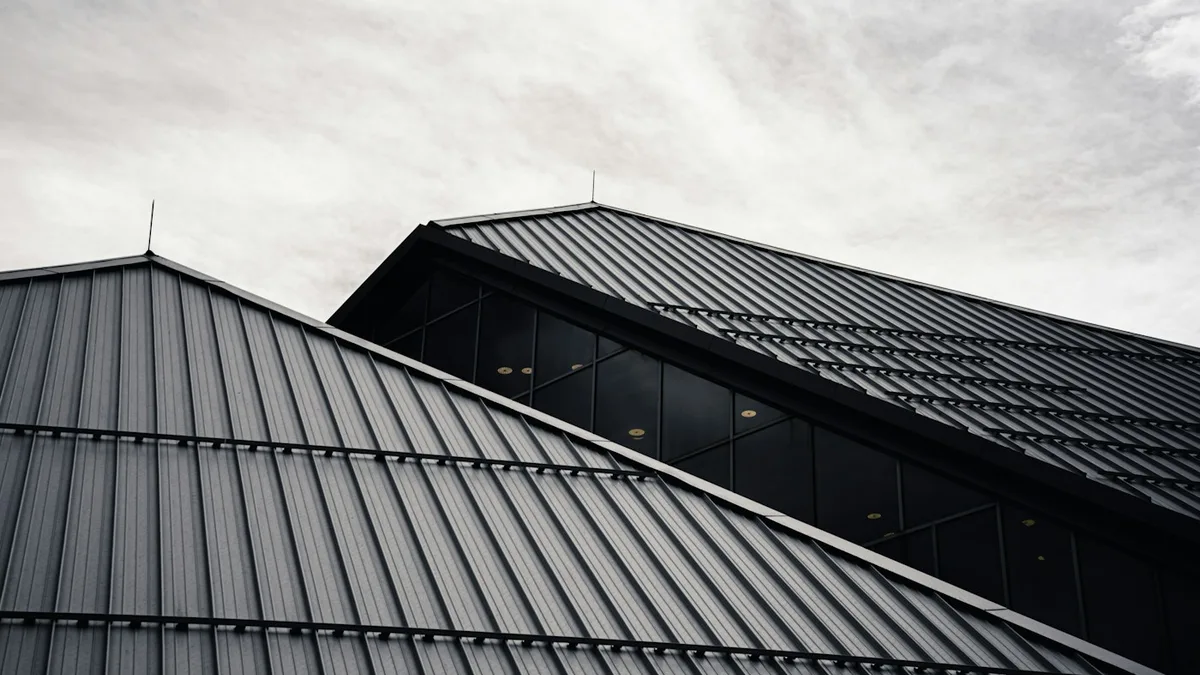
A commercial roof inspection does not need to begin with people climbing every surface. Drone imagery can provide a visual first look at roof membranes, drains, parapets, HVAC context, facades, solar assets and external equipment, followed by the appropriate ground inspection.
Define the commercial roof maintenance question
List roof sections, drains, ponding clues, visible damage, plant or HVAC, solar panels, facade elevations, access routes and the reason for the inspection. State whether the output is a baseline, post-weather record, recurring maintenance report or triage.
Coordinate facility safety
Confirm roof access, people, vehicles, fragile areas, power, live equipment, wind, security, neighbouring property and the site contact. A drone does not remove the need for a safe launch, recovery and ground plan.
Report visible conditions and limitations
Use roof or asset IDs, date, image reference, observation, obstruction, visibility and follow-up. Water stains, cracks or thermal patterns are not automatically a diagnosis; involve the appropriate building or engineering professional.
Plan recurring review
Use consistent roof sections, viewpoints, weather notes, filenames and report priorities. Compare like with like and record changes in access, equipment, season or surface condition.
Turn a vague roof request into a clear scope
“Inspect our roof” can mean finding the source of a leak, recording storm damage, checking drains before rain, reviewing solar equipment or planning repairs. Ask the facility manager which decision comes next. Is a contractor being sent to one bay? Is the owner building a maintenance budget? Is the team comparing a recent repair with an older condition? The answer determines whether a wide visual record is enough or a specialist investigation is needed.
Use a roof plan with simple zone names: north warehouse bay, main office roof, loading canopy and plant deck. Mark drains, skylights, roof access points and known problem areas. If no plan exists, build a visual index from a wide overview and have the facility team confirm it. A file called “roof photo 12” is hard to act on; “north bay, drain D3, east view” gives the maintenance team a place to start.
Separate visible surface conditions from hidden causes
A drone can show ponding water, debris, vegetation, staining, damaged flashing, displaced panels or a blocked-looking drain. It cannot see through a membrane, test a waterproofing layer or determine whether a leak began at the visible stain. Water may travel before appearing inside the building. Ask for the location and date of any indoor leak report, recent repair records and weather history. A roofer or building engineer can then compare those records with the aerial evidence and choose the next test.
If thermal imagery is proposed, define its purpose and conditions separately. Sun, wet materials, wind and reflected heat can produce patterns that look like defects. Keep paired visual frames and a conditions log, and send anomalies to a qualified reviewer. The thermal building-envelope guide explains why a colour patch is a screening item rather than proof of moisture or heat loss.
Plan a safe visit even when nobody climbs
Using a drone can reduce the need for an initial roof walk, but the crew still needs a safe launch area and a clear route around people and vehicles. Check airspace, wind, nearby cables, antennas, glass and the effect of rooftop equipment on the flight. Agree on who can pause the work if loading traffic or maintenance begins below. Never ask a worker to stand near an unprotected edge for the sake of a camera view. NIOSH treats roof work and falls as a serious safety issue (NIOSH fall-prevention guidance); the facility's own access rules remain essential.
The roof itself may have fragile skylights, loose sheets or active equipment. The drone does not need to land on it. If a close detail cannot be obtained safely, mark the area for later specialist access. An incomplete but honest record is better than an unsafe flight or a misleading “all clear.” Tell the facility manager before the visit if an adjacent building or restricted airspace may limit views.
Capture in a sequence the reviewer can follow
Begin with a whole-roof view showing zone names and orientation. Then work through each zone in the same order, taking enough overlap to locate drains, joints, penetrations and plant. Pair each close observation with a wider locator image. If a parapet hides the far side of a drain, say so. Include facade or gutter views only when they answer the brief. A video flyover alone can be hard to pause, label and compare; still images usually make a clearer maintenance record.
Record weather and surface state. A dry roof after a week without rain will not show the same clues as a roof after a storm. A shadow can hide a stain; a temporary hose can look like a drainage feature. Repeat captures should use similar angles where safe. Keep raw images so a specialist can zoom in without relying only on a compressed report page.
Write an action-oriented observation table
For each item, list the roof zone, asset or drain ID, image reference, visible observation, confidence or visibility limit, proposed next check and person responsible. Use plain language: “debris visible beside drain D3” is better than “drain failure.” A “possible open seam” should remain a visual concern until the roofer checks it. Do not label an area “sound” just because no defect appeared in an aerial frame.
Prioritise by the facility's question. A small obstruction over an occupied room with active water reports may deserve faster review than a large cosmetic stain. The facility manager and qualified contractor decide urgency and repair method. A drone report should make those decisions easier by showing where to look and what was visible on the capture date. The inspection report template provides a reusable structure.
Use repeat visits to maintain an asset history
A quarterly or post-storm visit can help the owner see change, provided the zones and files remain consistent. Keep a register of repairs and roof alterations between visits. A new HVAC unit or solar panel can obscure an older area; note that coverage changed. Compare like with like, with both dates shown on the same page. If a drain was cleaned, a later image may document its visible state, while the facility team confirms whether water flow improved.
Set a sensible cadence around the roof type, past issues and maintenance decisions. There is no benefit in producing a large folder that nobody reviews. After a few cycles, ask which images led to action and which views can be dropped. Retain the baseline, changed areas, evidence for open items and a short closure note when the contractor resolves an issue.
Example: a warehouse roof before monsoon rain
Suppose a Bangalore warehouse reports occasional water near a loading bay. The manager gives the crew a roof plan and marks the indoor leak location. A pre-monsoon flight records the whole roof, then the loading canopy, nearby drains and flashing. The images show debris near one drain and a stained patch, while a parapet blocks part of the gutter. The report labels both observations and the blind area. It does not declare that the debris caused the indoor leak.
A roofing contractor then checks the drain, gutter and membrane with safe access. The facility logs the work. A later flight repeats the same views after rain, recording whether debris returned or ponding is visible. The owner now has dated evidence and a contractor's findings in one maintenance history, without treating an aerial image as a waterproofing test.
What to request in the quote and handover
Send the roof plan, building use, problem zones, recent repair history, desired date and site contact. Ask for a coverage map, labelled stills, concise observation table, gap list, originals and an agreed review process. State whether thermal screening, mapping or facade work is included; each adds different capture and interpretation needs. Confirm where sensitive roof and security details will be stored and who can receive them. The goal is a practical first look that sends the right specialist to the right place.
See the apartment roof inspection guide and industrial report template.
FAQs
Can drones inspect commercial roofs without people accessing them?
They can provide a visual first look in suitable conditions, but some findings still require safe ground or specialist access.
Can drone imagery prove a roof leak?
No. It may show visible or thermal indicators; diagnosis requires appropriate testing and professional interpretation.
Can facility teams receive quarterly reports?
Yes, when the scope, asset IDs, capture conditions, deliverables and follow-up process are consistent.
Plan your project
Share your site, dates and intended output so we can confirm a suitable scope.
Industrial Inspection · Compare project scope · Get in touch
Related reading
- Industrial Roof & Facade Drone Inspection in Bangalore: Scope and Deliverables
- Bridge, Road & Infrastructure Drone Inspection in Bangalore
- Chimney and Industrial Stack Drone Inspection in India: Planning Guide
- Streetlight and Utility-Pole Drone Asset Inventory in India
- Urban Lake Restoration Drone Monitoring in India: Documentation Guide
- Convention Centre and Event Venue Drone Photography in Bangalore
Contact SkyViews Aerial Drone Studio at +91 90190 56479 or skyviewsdronestudio@gmail.com. Service area: Bangalore, Karnataka and India and wider Bangalore, Karnataka and India.