Construction Drone Case Study Template: What to Document Each Month
A practical case-study and reporting structure for construction teams using repeatable drone imagery, progress records and stakeholder updates.
By SkyViews Aerial Drone Studio
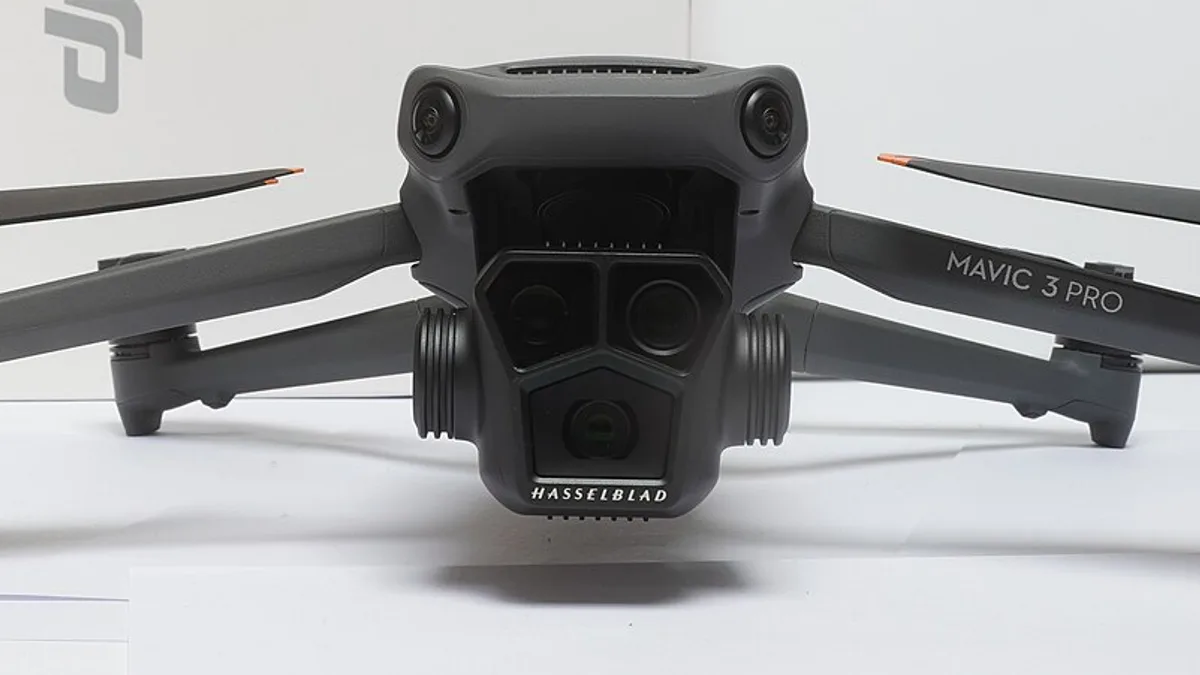
A construction drone case study should show more than attractive aerial photographs. It should explain the project context, capture method, repeatability, deliverables and decisions supported by the record. This template helps project teams brief a recurring aerial documentation programme without inventing precision that the capture plan cannot support.
Project context
Record the project type, approximate site area, phase, key stakeholders, reporting cadence and the reason aerial documentation is useful. Examples include investor updates, contractor coordination, progress communication, marketing, handover records and visual site history.
Baseline capture
Start with an agreed baseline date and a simple capture map. Identify repeatable viewpoints, site boundaries, access roads, major structures, stockpiles, cranes and temporary works. A consistent viewpoint makes month-to-month comparison easier, but it does not by itself create survey-grade measurements.
Monthly capture checklist
- Establish the same or deliberately documented camera positions.
- Photograph the overall site, access, active work fronts and major milestones.
- Record weather, date, approximate flight conditions and any restricted areas.
- Capture safety-sensitive areas only when the site team confirms the safe window.
- Keep original files, selected stills, edited video and report exports separated.
- Note what could not be captured and why.
Report structure
Use a short report with: executive summary, capture date, site plan, annotated stills, previous-versus-current comparison, milestone notes, issues or access limitations, deliverables supplied and recommended next capture date. Link each observation to an image, clip or map page rather than making a broad unsupported conclusion.
What the record can and cannot prove
Repeatable imagery can provide a strong visual record of site condition and visible change. It can support coordination and communication, but it does not replace a licensed survey, engineer's inspection, contract measurement or safety assessment. Define any measurement accuracy, control points or engineering review as a separate requirement.
Brief SkyViews for a recurring programme
Share the site boundary, preferred cadence, reporting audience, milestones, access rules and desired formats. SkyViews can scope recurring construction progress monitoring, earthwork volume measurement or a presentation-ready progress film.
Evidence register for a real case study
Create fields for approved project name, publication permission, capture dates, original media, crew role, agreed deliverables and client-approved result. Attach an evidence reference to every outcome statement. If the client did not measure a business outcome, describe what was delivered and how it was used.
This page is a template, not evidence that a project occurred. Leave an incomplete case study unpublished until records and permissions are ready. Link a completed example to construction services and explain any gaps in the visit sequence.
Decide what the case study is meant to show
A case study is a story about a real project and a documented result. It is different from a routine monthly report. Before writing, ask what a reader should learn: how the team set up repeat capture, how it solved an access problem or how the images helped a project meeting. Pick one main point. A case study that tries to prove every benefit of drones may end up proving none. If the project is still active, describe a completed part of the work and say that the wider project continues.
Identify the reader too. A construction manager may want capture intervals and handover details. A property owner may want to understand how progress was communicated. A future client may want to see the work needed behind the finished film. Include enough context for that reader without publishing private drawings, commercial figures or site details that the client has not approved.
Gather the record before writing
Create a small evidence folder for the example. Include the approved project description, signed scope, dates of visits, viewpoint list, original media references, delivered reports and any client feedback that can be quoted. If the case study says a delay was spotted, find the report row and the project team's record of what happened next. If those records do not exist, write only that the imagery made a visible condition easier to review. Do not turn a plausible benefit into a claimed result.
Use the site's own milestone names where permission allows. A contractor may define a milestone by an accepted work package, not by how finished it looks from above. Ask the project owner to verify dates and terms. Keep a note of who approved the final wording. This makes future updates easier if a project name, date or outcome changes.
Explain the capture method in plain words
The reader should be able to picture what happened. State how often the crew visited, which views were repeated, whether focused work-front images were added and how the files were labelled. Mention any important constraint, such as cranes, a narrow flight window or a change in site access. Explain how the team handled it. Avoid equipment specifications unless they help the reader understand the result. A camera model alone does not show why the record was useful.
When mapping or measurement is part of the case, describe that workflow separately. Say who supplied control, how checks were made and what accuracy was agreed. A visual progress film does not become a survey because it includes an aerial map. If the final case study includes a measured volume or area, link the statement to the approved technical report rather than estimating from photographs.
Show change with honest comparisons
Choose a small number of before-and-after pairs. Each pair needs dates, viewpoint IDs and a caption explaining the visible change. If the camera angle moved, say so. If a work area was hidden on the first visit, do not imply that it was empty. Avoid placing images in a sequence that changes the apparent order of work. Readers should be able to distinguish a visual comparison from a measured result.
Use a short timeline beside the pictures. For example: baseline visit, groundworks, first structure, facade work and final visit. The timeline can show gaps as well as completed visits. A missed month caused by weather or restricted access is part of the method, not a detail to hide. Explain whether a replacement view was used or the next scheduled visit resumed the series.
Write results at the level the evidence supports
A safe result may be “the team delivered twelve dated image sets and four client updates.” A stronger result, such as “the images reduced reporting time,” needs a client record or an approved statement explaining how time was measured. Avoid invented percentages, savings and quotes. If the client only confirms that the images were used at monthly meetings, say exactly that. It is useful evidence of a real workflow without claiming a financial outcome.
Separate deliverables from impact. The deliverables might be selected photographs, an archive, a short video and a comparison report. Impact describes what the client did with them. This distinction helps future clients understand both what they can ask for and what a drone team can reasonably promise. It also keeps the page credible when a project has no published numerical result.
Review privacy and publication rights
The internal construction record may include workers, vehicle plates, neighbouring properties, temporary security arrangements or commercially sensitive layouts. A public case study needs a separate selection and approval step. Ask the client which project name, site views and details may be published. Blur or omit identifying details where needed. Confirm permission for any quote or logo. Keep the unedited evidence private under the agreed delivery terms.
For an illustrative example, imagine a warehouse build recorded every month for a year. The team uses four repeat viewpoints and adds detail shots of the access road when that becomes a key work front. A report from one month notes that a crane blocked a planned view, so the next visit uses a labelled alternative. The final case study could show the method, a dated comparison and the delivered film. It should not say that the drone prevented delays unless the owner has evidence for that result. This example explains how to use the template; it is not a real SkyViews project.
FAQs
How often should a construction site be filmed?
Weekly, fortnightly and monthly schedules can work. The right cadence depends on the rate of change, reporting cycle, site safety and budget.
Does recurring imagery provide exact construction measurements?
Not automatically. Measurements require a defined survey workflow, control and quality checks; visual progress imagery is a different deliverable.
Can the same template be used for every project?
The structure can be reused, but viewpoints, safety rules, milestones and deliverables should be tailored to each site.
Plan your project
Share your site, dates and intended output so we can confirm a suitable scope.
Construction & Infrastructure · Compare project scope · Get in touch
Related reading
- Monthly Construction Drone Progress Report: What to Include
- As-Built Drone Survey and Construction Documentation in India
- Construction Crane and Vertical Progress Drone Photography in India
- Real Estate Drone Campaign Brief Template for Bangalore Properties
- Industrial Drone Inspection Report Template: Evidence, Limits & Handover
- Drone Mapping QA Checklist: Before You Accept an Orthomosaic or 3D Model
Contact SkyViews Aerial Drone Studio at +91 90190 56479 or skyviewsdronestudio@gmail.com. Service area: Bangalore, Karnataka and India and wider Bangalore, Karnataka and India.