Real Estate Drone Campaign Brief Template for Bangalore Properties
A ready planning framework for builders, brokers and property marketers to brief aerial photos, video, reels, amenities and location...
By SkyViews Aerial Drone Studio
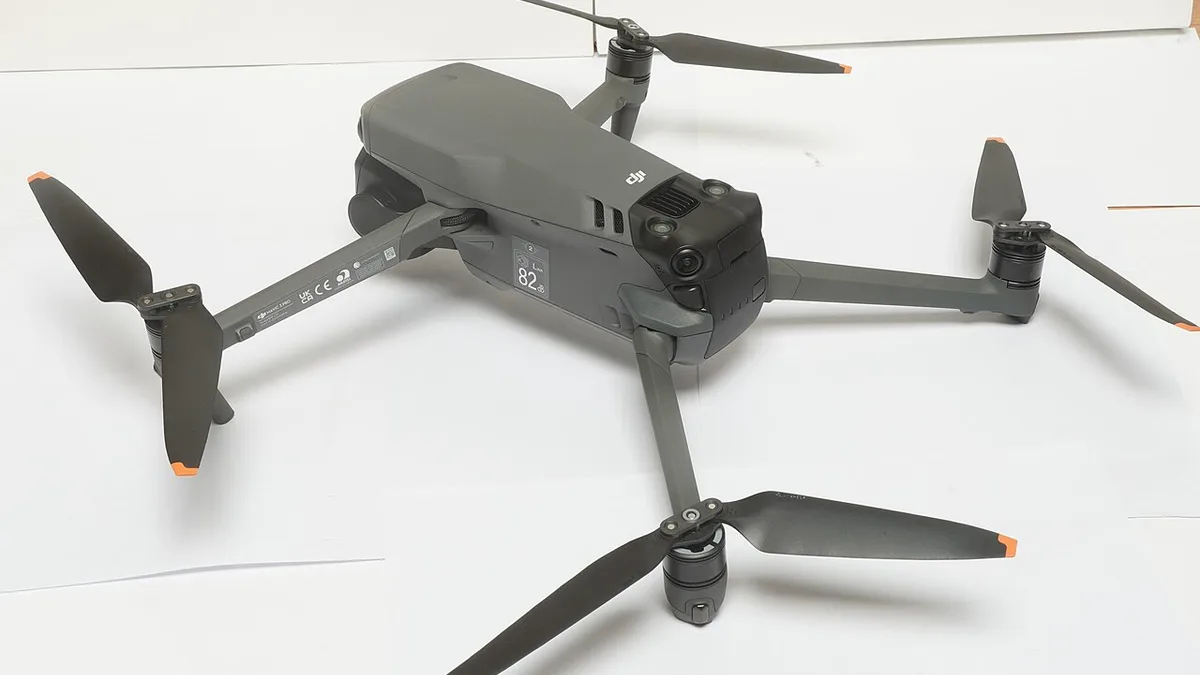
A property drone shoot performs better when the brief connects aerial visuals to a buyer journey. “Shoot the building from above” is not enough: the team needs to know the audience, launch stage, amenities, access story, brand tone, channels and required formats.
Campaign brief essentials
Include the project name, exact map pin, site contact, shoot date window, intended audience, campaign stage, approval contact and final deadline. Mention whether the property is a completed project, active construction site, plotted development, commercial asset, hospitality property or land parcel.
Define the story before the shot list
Choose the primary story: connectivity, scale, architecture, amenity lifestyle, neighbourhood context, construction progress or investment presentation. Then list the evidence the viewer needs to see. For example, a connectivity story may need approach roads and landmarks, while an architecture story needs facade details, symmetry and movement around the building.
Deliverables to specify
- Hero film length and aspect ratio
- Vertical reels and short cutdowns
- Edited stills and web-resolution exports
- Raw or log footage, if required
- Aerial approach, orbit, reveal and establishing shots
- Amenity, landscape and surrounding-context coverage
- Captions, logo animation, music or voice-over requirements
- Usage channels and internal review process
Site and safety information
Share take-off constraints, people and vehicle movement, cranes, construction hazards, privacy concerns, neighbouring properties, restricted areas and preferred low-activity windows. Flight feasibility must be checked against the actual location and current requirements; a marketing deadline does not override aviation or site-safety constraints.
Avoid misleading property visuals
Do not imply that a proposed amenity is complete when it is only planned. Identify artist impressions, edited footage and current site imagery appropriately. If a landmark or travel-time claim is used in copy, the client should verify the wording before publication.
Related planning guides
See the real-estate drone marketing guide, 360 aerial virtual-tour guide and property photography service.
Example campaign approval matrix
List each asset with its audience, aspect ratio, factual claims, rights check and approver. A website hero film and an agent's vertical clip may share footage but need different captions and safe areas. Keep a master list so a corrected property name or date reaches every version.
Mark concepts, proposed amenities and incomplete works explicitly. A mock brief is not a client case study. Scope property aerial production around this matrix and include the number of approved versions in the quote.
Start with one clear buyer question
A useful brief explains what a buyer should understand after seeing the finished film or photographs. A plotted development may need to show its road access and the shape of the site. A completed apartment project may need to show the building, open space and entry route. A warehouse buyer may care more about truck access and yard space than a cinematic orbit. Write one main question at the top of the brief. The team can then choose shots that answer it, instead of collecting attractive footage with no clear use.
Name the audience as well. A broker making a quick listing needs different images from a developer preparing a launch film. If the same shoot serves both, say which deliverables belong to each group. This helps the editor avoid making every asset the same length with the same message. Keep the final copy in words an ordinary viewer can understand. A precise view of the site is usually more helpful than a string of broad claims about luxury or investment value.
Build a shot priority list
Divide the request into essential, useful and optional shots. Essential shots should answer the main buyer question. For example, the essential set could include the full property, main entrance, approach road and two approved amenities. Useful shots might show a nearby public road or the building from another direction. Optional shots could be sunrise light or an extra movement around the facade. If weather, site activity or flight limits reduce the available time, this order gives the crew a sensible way to protect the most important material.
Attach a reason to each requested shot. “Show the northern approach so viewers understand the entry” is clearer than “get a north-side shot.” Add a simple map or marked site plan when directions are hard to explain. Mark areas that should stay out of frame, including neighbouring homes, occupied balconies, sensitive facilities and unfinished works that have not been cleared for publication. A written list also helps a client review the footage against the agreed scope.
Plan the same scene for different screens
A wide hero film, a vertical reel and a website still do not always work from one framing. Put the planned channel beside each asset in the brief. If a vertical version matters, ask for enough space around the subject so the editor can crop without cutting off the building or entrance. Leave room for titles only where a title is actually planned. Ask for clean footage without baked-in labels so later campaign edits remain possible.
Set practical export expectations: aspect ratio, approximate length, language, captions and whether the client needs a music-free version. Agree whether the team wants only edited files or also selected source media. Source files are larger, may require different software and do not replace an approved finished edit. Confirm how files will be named and delivered. The video deliverables guide gives a more detailed handover checklist.
Prepare the property before the visit
The best brief also names the person who can make the site ready. Ask whether cars will block the entrance, workers will be active near the take-off area, landscaping is complete and temporary signs are visible. Confirm which spaces can be filmed and when they will be available. If an amenity is busy, plan a time that protects people's privacy and gives the crew a clear view. Site preparation can have more effect on the final image than another camera movement.
Send a recent map pin, site contact number, access instructions and any gate or security process before the shoot date. A property name alone may lead to the wrong entrance on a large site. The flight team still needs to assess the location, airspace, weather, people and operating conditions. The client can help by sharing local restrictions and arranging access. If a requested view is not feasible, agree on a ground view, another angle or a later date before promising that asset in the campaign.
Put factual claims through a separate review
The camera records what is visible at a particular time. It does not prove a legal boundary, an approved plan, a completion date or a travel-time claim. Keep a short claim sheet for any text placed on the film or in captions. Note who supplied each claim and who will approve it. For proposed buildings and amenities, use wording and labels that make their status clear. Keep a dated version of the site footage so an older construction view is not presented as current without explanation.
This check matters even when the edit looks polished. A road can look close in an aerial view but take a different route by car. A wide lens can make a yard seem larger. Ask the property owner or marketing lead to approve the final captions against project records. If a claim is uncertain, remove it or write it more narrowly. A clean view plus accurate text builds a more useful listing than an unverified promise.
Example brief for one completed apartment project
Suppose a Bangalore developer wants a 45-second website film, two vertical clips and ten edited stills for a completed apartment project. The main buyer question is how the building, entrance and open space fit together. The essential shots are a full-site view, an entrance approach, two facade views and approved outdoor amenities. The team also wants one contextual road view, but will not name travel time in the edit until the client verifies it.
The brief identifies the site contact, a quiet morning access window, areas with residents who must not be filmed closely and the person who approves captions. It asks for both horizontal and crop-safe vertical framing. The editor sends a first cut, receives one consolidated list of changes and exports named files for each channel. This is an example of a planning process, not a claim that any particular project was filmed. It shows how a short brief can guide capture, review and handover without leaving important decisions until the aircraft is in the air.
FAQs
What should a property marketing brief include?
Include the exact location, project stage, audience, story, shot priorities, formats, deadline, usage and site constraints.
Can one drone shoot create content for several platforms?
Yes, if the shot list and framing are planned for widescreen, square and vertical outputs before the flight.
Can active construction sites be filmed for marketing?
Yes, subject to site approval, safety planning, privacy, flight feasibility and accurate labelling of work in progress.
Plan your project
Share your site, dates and intended output so we can confirm a suitable scope.
Aerial Imaging & Cinematics · Compare project scope · Get in touch
Related reading
- Drone Content for a Real-Estate Launch Campaign in India
- Lender and Real-Estate Drone Due Diligence in India: Visual Review Guide
- Real Estate Drone Content Calendar for Bangalore Projects
- Industrial Drone Inspection Report Template: Evidence, Limits & Handover
- Drone Mapping QA Checklist: Before You Accept an Orthomosaic or 3D Model
- Drone Photography for Architects: Portfolio, Project and Design Documentation Guide
Contact SkyViews Aerial Drone Studio at +91 90190 56479 or skyviewsdronestudio@gmail.com. Service area: Bangalore, Karnataka and India and wider Bangalore, Karnataka and India.