Construction Timelapse by Drone in Bangalore
A practical guide to planning construction timelapse photography, repeatable viewpoints, storage, milestones and final project films.
By SkyViews Aerial Drone Studio
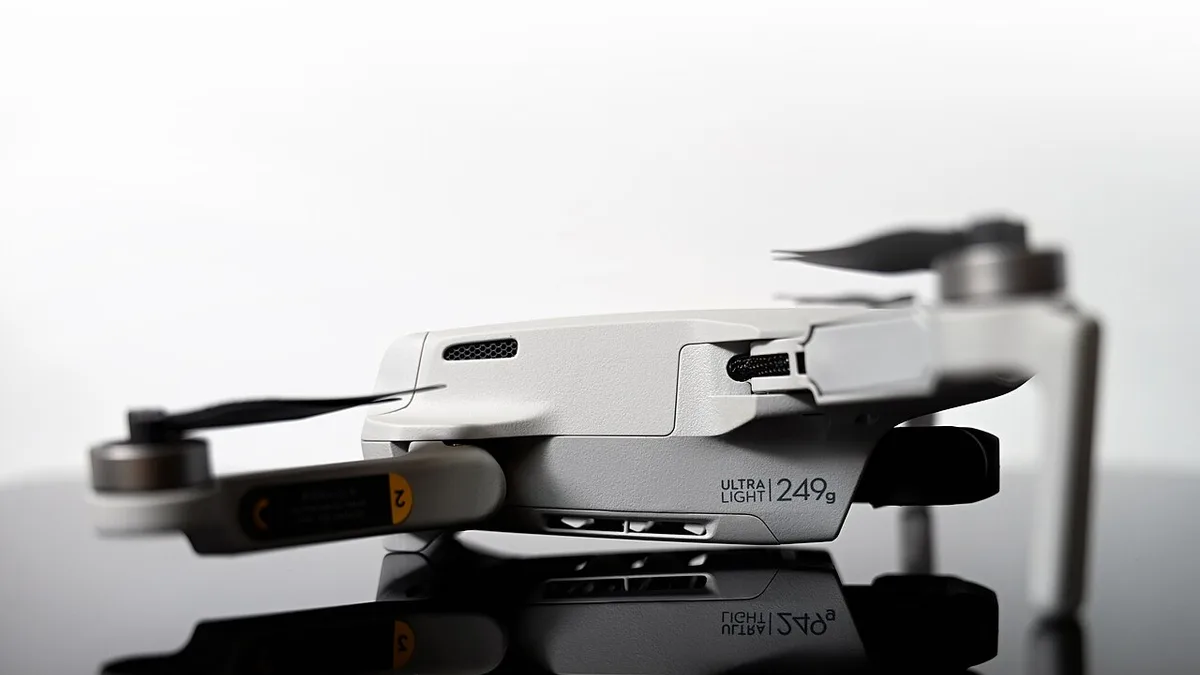
A construction timelapse is a long-term documentation system, not a single dramatic flight. The final film becomes convincing when the capture method remains consistent across the project and the production team knows which milestones matter before work begins.
Start with the final film
Decide whether the output is an investor update, a handover film, a sales asset, an internal record or a public case study. That decision affects the capture frequency, aspect ratios, music, interview material, progress details and final duration.
Build a viewpoint register
Record the camera direction, approximate altitude, lens treatment, safe operating area, preferred time of day and the project stage visible from each viewpoint. A register prevents every visit from becoming an improvised shoot and makes comparisons easier.
Choose the capture rhythm
Monthly visits may suit a multi-year development. Fortnightly or milestone-based capture may be better during earthwork, structural work or facade installation. The correct rhythm depends on the pace of change and the decisions the film must explain.
Capture more than the hero shot
Include a stable establishing frame, access and site context, work-front details, key structures, materials movement and milestone-specific footage. A final film built only from sweeping views often looks polished but explains little.
Protect the archive
Use date-based folders, original-media retention, a clear backup policy and a delivery log. Keep a small selection of approved stills and clips for stakeholder updates while preserving the full project archive for the final film.
Safety and permissions
Every visit needs a current site and flight-feasibility check. Construction conditions change: cranes move, exclusion zones expand, workers enter new areas and temporary structures appear. The construction progress service can be scoped for recurring capture, while the permissions guide explains why a prior shoot does not automatically authorise a future flight.
Questions project teams ask
How often should a construction site be filmed?
Monthly, fortnightly or milestone-based capture can work. The choice should follow the project schedule and the reporting or film objective.
Can timelapse footage be used for marketing?
Yes, when the client has the required usage rights and the site, people and neighbouring property are handled appropriately.
Do you provide a final construction film?
An edited project film can be scoped alongside the recurring capture plan. The proposal should specify duration, aspect ratios, music, voiceover, captions and revision rounds.
Can a timelapse prove contractual progress?
It can provide a useful dated visual record, but it does not replace contractual measurement, engineer certification or the project's formal reporting system.
Plan the final film before the first visit
Create an illustrative edit map with four stages: baseline, structure, facade and completion. For each stage, list a repeat view, one detail shot and a date caption. Record which scenes are essential and which are optional so a missed weather window does not become a hidden gap in the timeline.
Agree who approves the final sequence, music and milestones. Do not retime or reorder footage in a way that misstates progress. Use construction documentation for the recurring capture scope and keep marketing edits separate from progress records.
Understand what a drone timelapse really is
A fixed camera can record the same frame many times each day. A drone usually returns for separate visits. The finished drone sequence is therefore a series of dated aerial views, sometimes called a progress montage. It will not have the frame-to-frame smoothness of a fixed camera unless the motion and timing are planned and edited carefully. Explain this difference in the brief. It sets realistic expectations for the final film and avoids promising continuous coverage between flights.
The two methods can work together. A fixed camera may show daily activity from one position. Drone visits can show the wider site and changing access or building shape. The final film can use both sources with clear dates. If the project needs formal proof of progress, keep the source dates and reports separate from the edited montage. Speeding up a film is an editorial choice, not a measurement of work rate.
Choose views that will survive site changes
Stand back far enough to keep the main building inside the frame as it grows. A view that looks good during excavation may be blocked after the structure reaches several floors. Select a primary position and a fallback position at the beginning. Record the direction, height range, lens setting and visible landmarks for each. Put a reference still and map pin in the viewpoint register. The next crew should know what to repeat even if the first pilot is unavailable.
Check whether a crane, temporary shed or future building could block the view. Some obstruction is normal, but the production team should plan for it. Keep a second wide view that can explain the site when the hero view becomes less useful. When a viewpoint changes, label the new series. Do not blend it into an earlier series as if the camera stayed in one place.
Set a rhythm around real milestones
A calendar visit is easy to schedule, but it may land just before an important pour or after an area is covered. Ask the site manager for a rolling look-ahead schedule. Keep the regular visit for a stable record, then allow a small number of milestone visits for changes that matter to the final story. Define who requests an extra visit, how much notice is needed and whether the site can provide safe access. Weather and flight feasibility still control whether a planned date can be used.
Do not force an exact interval if the site has not visibly changed. A month with little external change may still matter to the project, but the aerial film may only need one honest dated frame. The report can explain work that happened out of view using project-approved text or ground footage. The editor should not create a false sense of constant visible progress through repeated near-identical drone shots.
Capture material for the edit and the record
At each visit, capture the repeat views first. Then gather closer footage of the current milestone, site access and useful context. Keep the original files with their dates and camera metadata. Select a few stills for the monthly update, but do not discard the rest of the agreed archive. The final editor may need a frame that seemed unimportant at the time to bridge two stages of the film.
Plan horizontal and vertical versions early. A wide view of a long site may crop poorly for a phone screen. If vertical clips are required, record separate framing or leave safe space around the subject. Also decide whether the film needs clean footage for later labels, a narration track, on-screen dates, captions or a version without music. These choices affect capture and permissions, not only editing at the end.
Track the archive as the project grows
Use a predictable folder structure: project, visit date, viewpoint ID and source or edited status. Keep a simple log with visit date, captured views, missed views, weather note and the location of the backup. Check that files can be opened after transfer. A twelve-month project can generate enough media that a missing month is easy to overlook until the final edit starts. A monthly review catches problems while another visit is still possible.
Agree who owns the archive, who can access it and how long it will be retained. A client may want the final film only, selected source clips or all originals. Each is a different delivery scope. If a new editor joins near the end, the register and file names should let that person find the correct frame for each stage without guessing from appearance.
Edit a truthful sequence
Build a rough timeline using actual capture dates. If a stage was missed, use a dated title card, an approved ground view or a clear jump forward. Do not insert a later frame in an earlier position to make the story smoother. Keep a separate list of any visual effects, speed changes and labels. A polished film can still be accurate when the timeline is transparent.
For example, a multi-year apartment project might have one baseline flight, regular monthly views and extra visits for the first slab, topped-out structure and external completion. The final film may be two minutes long, while the archive holds every dated visit. A client review checks that captions describe the right stage and that proposed amenities are not shown as built. This is an example planning sequence, not a claim about a specific project. The value lies in deciding these details before the first flight so the ending can be assembled from a reliable record.
Plan your project
Share your site, dates and intended output so we can confirm a suitable scope.
Construction & Infrastructure · Compare project scope · Get in touch
Related reading
- As-Built Drone Survey and Construction Documentation in India
- Construction Crane and Vertical Progress Drone Photography in India
- Construction Drone Case Study Template: What to Document Each Month
- How to Book a Drone Shoot in Bangalore: Client Brief Checklist
- Hotel & Resort Drone Photography in Bangalore: A Hospitality Marketing Guide
- Campus Drone Photography in Bangalore: Corporate, School & Institutional Sites
Contact SkyViews Aerial Drone Studio at +91 90190 56479 or skyviewsdronestudio@gmail.com. Service area: Bangalore, Karnataka and India and wider Bangalore, Karnataka and India.