Campus Drone Photography in Bangalore
Aerial photography and video planning for corporate campuses, schools, colleges, hospitals and large institutional properties.
By SkyViews Aerial Drone Studio
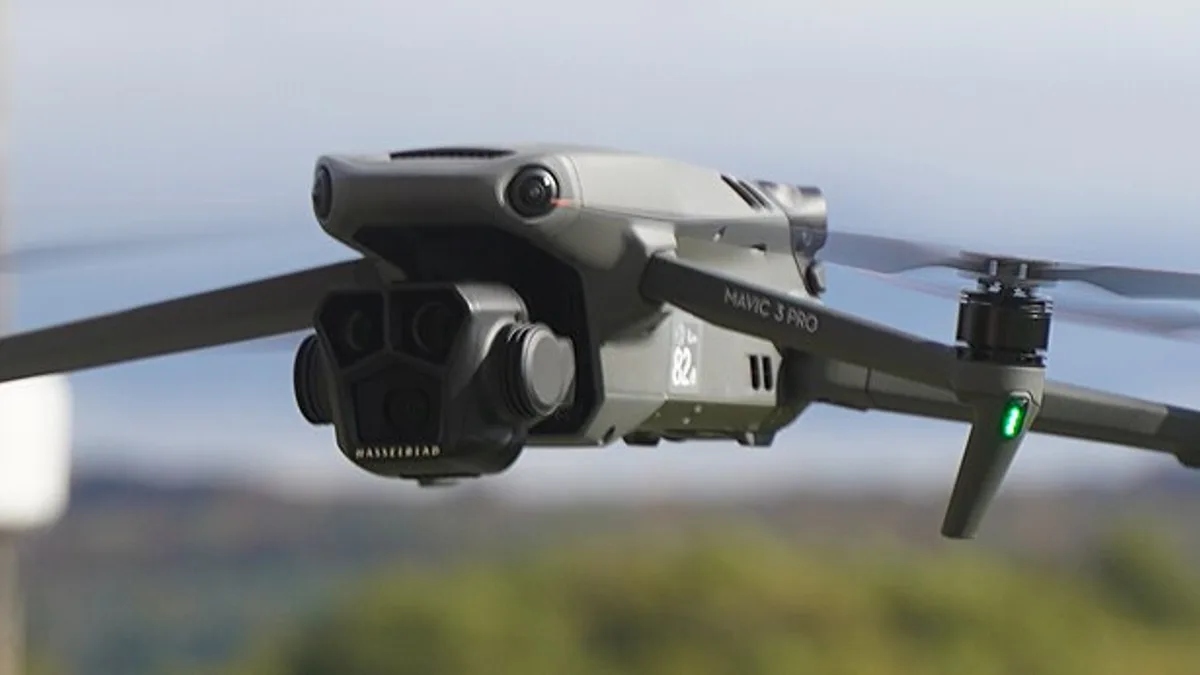
Large campuses are difficult to explain with a single building photograph. Aerial content can connect the entrance, buildings, open areas, circulation, sports or event facilities and the surrounding context into one understandable visual system.
Common uses for campus aerial content
- Corporate profile films and annual reports
- School, college and university admissions campaigns
- Hospital and healthcare-facility overviews
- New-campus launch and inauguration content
- Architecture and landscape documentation
- Construction and expansion progress records
- Wayfinding, internal presentations and stakeholder updates
Plan the campus story
Start with the audience. An admissions film may prioritise arrival, student spaces and landscape. A corporate film may prioritise scale, operations and architecture. A hospital brief may need privacy controls and clear separation between public and restricted areas. The shot list should follow that purpose.
Privacy and safety matter more on institutional sites
Campuses may include children, patients, employees, visitors, laboratories, security systems and sensitive infrastructure. The property should define no-fly and no-film areas, consent expectations, access controls and a site contact. The crew should schedule around movement and avoid unnecessary identification of people.
Deliverables to consider
A campus project may need a hero film, high-resolution stills, 16:9 and 9:16 edits, a map-style overview, short department clips and a dated archive for future comparison. Construction or expansion work can be planned as recurring progress monitoring.
Start with the campus visitor's question
An aerial film should help a viewer understand a place. A prospective student may ask where the main academic blocks and sports areas are. An employee may want to see the workplace setting. A hospital visitor may need a calm, accurate sense of entrances and public facilities. Write the questions first, then select viewpoints that answer them. A high shot of every roof is not automatically a useful campus story.
Define the audience and intended use: admissions, recruitment, annual report, wayfinding, property presentation or construction record. A promotional film can focus on experience and people, while a facilities record may need repeatable images of specific assets. If both are required, write separate shot lists and acceptance criteria.
Draw a map of the filming area
Ask the institution for a current site plan with entrances, building names, public paths, sports grounds, gardens, vehicle routes, restricted zones and proposed launch areas. Note active construction, roof equipment and nearby sensitive areas. If the campus has more than one parcel, name each location. A generic pin at the main gate may not represent the whole flight area.
Assign a campus contact who can coordinate security and answer questions during the visit. For large institutions, that person may need support from facilities, communications and safety teams. Agree who can close a lawn briefly, direct vehicles or stop a shoot if conditions change. A pilot should not have to negotiate access with several guards while the light window disappears.
Plan around people and privacy
Schools and colleges have students, some of whom may be minors. Hospitals have patients and families. Corporate campuses may have employees and confidential work. Avoid filming identifiable people without the appropriate planning and review. A wide aerial may still show a school playground, hospital window or private courtyard. Mark no-film directions on the map and inspect public edits carefully.
Choose low-occupancy windows where possible. An empty-campus view can show the layout without placing an aircraft near a crowd. Use ground cameras for close human scenes with the institution's consent process. The privacy and consent guide can help the production team prepare. Permission from the institution does not automatically represent every person's publication preference.
Tell a simple visual story
Begin with arrival, show how the main areas connect, then move to a few distinctive details. A university might show the gate, academic core, library and sports ground. A corporate film might show the workplace, landscape and service access. A hospital film might focus on public arrival and facilities while omitting clinical or private areas. Pair aerial context with ground footage, signage and clear captions.
Do not rely on a long uninterrupted flyover. Viewers can lose track of which building is which. Use short scenes and labels checked by the institution. If an expansion is unfinished, show the date and current stage. A campaign should not imply that a planned building is already operating.
Check each flight location separately
The operator needs the exact area, proposed operating positions, date and time, aircraft and purpose. Current airspace and site conditions can differ across a large campus. The flight permission checklist helps gather the details. Campus approval and aviation feasibility are separate checks. Wind around tall buildings, cranes and people movement may change the plan on the day.
Agree a ground-based alternative for each essential message. A fixed elevated camera, site map or licensed existing image may explain the campus when a drone flight is not feasible. Do not make an admissions launch depend on a shot whose operating conditions are still unknown.
Make the files useful after the campaign
For communications, request approved master films, vertical clips, stills, captions and a rights record. For facilities, ask for dated, named images tied to buildings or zones. Keep raw and public-approved media apart. An institution may want to retain a technical archive while limiting the use of identifiable people in public material.
Agree how long the footage will remain current. A new building, road closure or changed entrance can make a wayfinding clip misleading. Add a review date to the content calendar. When a campus changes, update the affected scenes and labels rather than silently reusing the old film.
Example: a Bangalore college
Imagine a college preparing an admissions page. The communications team wants to show the main gate, academic buildings, library and sports area. The facilities team provides a current map and marks student housing and security areas as no-film. The crew films a quiet morning aerial establishing view and uses consented ground scenes for student life. Every building label is checked before release.
The admissions page includes the film, a few captioned stills and ordinary text explaining programmes and visitor access. The aerial work gives a sense of place, while the ground material explains what students actually do. If rain prevents the second planned flight, the film still has a coherent story.
Example: a hospital campus
A hospital asks for a visitor overview. Its priority is the public entrance, parking approach and building orientation. The brief excludes patient areas and sensitive windows. The team selects a high-level view at a quiet time and uses maps and ground signage for precise directions. The finished edit is reviewed by facilities, communications and privacy owners. It does not show an emergency movement or imply an aerial image is a live wayfinding tool.
Send a focused booking brief
Include campus map, audience, story, required zones, restrictions, capture window, site contact, publication channels and file formats. Ask the provider to explain how it will coordinate with the institution, what will be excluded and how footage will be reviewed. A good campus film should leave viewers oriented and the institution confident about what it has made public.
Where SkyViews can help
SkyViews provides commercial drone filming, drone photography and construction documentation for corporate and institutional briefs across Bengaluru and India, subject to permission, safety and airspace feasibility.
FAQs
Can schools and hospitals use drone photography?
Yes, when the institution approves the brief and privacy, access, safety and airspace requirements are properly planned.
Can an aerial film show the whole campus?
Yes, a combination of establishing views, purposeful movement and selected details can explain campus scale. The exact coverage depends on the site and flight conditions.
Can campus footage be used for admissions or recruitment?
Yes, usage rights and deliverables should be agreed for the intended campaign, website, social channels or presentation.
How should a campus request begin?
Share the site map, campaign goal, sensitive areas, preferred dates, access contact and output formats through the contact page.
Plan your project
Share your site, dates and intended output so we can confirm a suitable scope.
Aerial Imaging & Cinematics · Compare project scope · Get in touch
Related reading
- Co-Working and Corporate Campus Drone Photography in Bangalore
- School and College Campus Drone Photography in India: Planning Guide
- Hospital and Healthcare Campus Drone Photography in Bangalore
- Farm, Estate & Land Drone Photography in Karnataka: A Practical Guide
- Corporate Brand Films with Drone Cinematography in Bangalore
- Architecture Aerial Photography in Bangalore: A Guide for Architects & Developers
Contact SkyViews Aerial Drone Studio at +91 90190 56479 or skyviewsdronestudio@gmail.com. Service area: Bangalore, Karnataka and India and wider Bangalore, Karnataka and India.