How to Book a Drone Shoot in Bangalore: Client Brief Checklist
Everything a client should prepare before requesting a drone shoot quote: location, purpose, dates, deliverables, permissions, access, safety...
By SkyViews Aerial Drone Studio
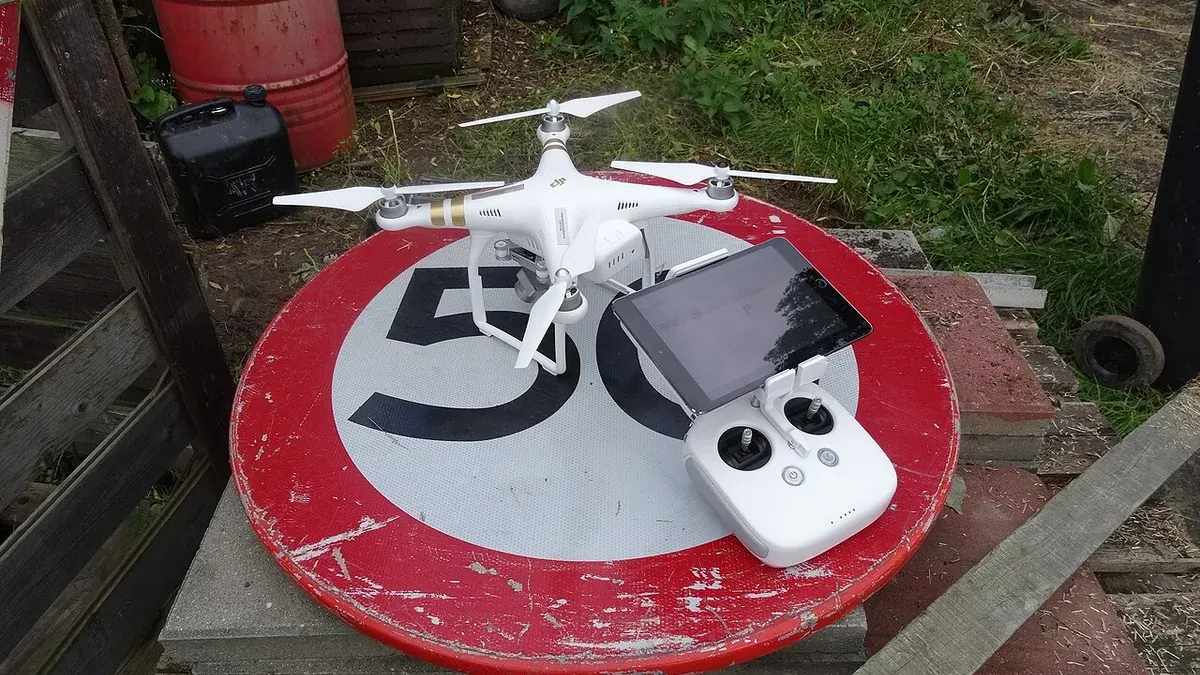
A clear brief helps a drone team answer the important questions quickly: Can the location be flown? What crew and equipment are appropriate? What permissions or site coordination are needed? What should be delivered, and by when?
Essential Project Briefing & Audience Scope
The seven details to send first
- Exact location: Share a map pin, site address and operating boundary.
- Purpose: Explain whether the job is marketing, construction documentation, inspection, survey, event coverage or film production.
- Date and flexibility: Include the preferred window and whether a weather backup is possible.
- Deliverables: State photos, raw footage, final edit, vertical reels, mapping outputs, thermal images or a report.
- Usage: Explain website, social, broadcast, internal reporting, print or paid advertising use.
- Access and safety: Name the site contact and mention induction, PPE, crowds, cranes, power lines or privacy restrictions.
- Reference style: Share a sample film, framing or competitor example only to communicate the desired outcome.
You do not need to know a drone model or camera setting to make a good enquiry. Say what the viewer must understand and where the final work will appear. “Show the entrance road, complete building and open space for a property listing” is more useful than “shoot in 4K.” The crew can then suggest still photographs, a short film or a combined ground and aerial plan. If you already have brand guidelines or a shot list, attach them, but mark the views that are essential.
For a large or complex site, send a simple marked map. Circle the areas to cover and cross out private or restricted areas. Add the location of the person who can receive the crew and the likely place to unload equipment. A map pin in the middle of a campus may be too imprecise when entrances and buildings are far apart. If your brief involves more than one property, list every site and the travel time between them.
Decide what the audience should see
A buyer, investor, visitor and maintenance manager will ask different questions of the same place. A property buyer may need approach roads, building setting and nearby open space. An investor may need a dated view of construction stages. A hotel guest may need the path from entrance to gardens and facilities. A maintenance manager may need close, labelled views of specific roof or facade areas. Tell the crew who will use the files so the capture does not become a collection of attractive but unhelpful angles.
List two or three must-have views and two or three optional views. This gives the pilot a clear priority if weather, light or access shortens the window. For video, describe the story in order: opening context, important feature, detail and closing view. For stills, name the position or feature each image should explain. If a particular angle is essential because it matches an existing report or rendering, share that reference before the shoot.
Be careful with claims made by the images. An aerial angle can make a road look connected to a site when there is no usable entrance. A wide view may include amenities owned by a neighbour. Tell the editor which labels and claims the client will verify. If the site is under construction, state the stage and capture date so an older image is not presented as current.
One-off or recurring?
Property campaigns and events are often one-off assignments. Construction, industrial maintenance and development portfolios may benefit from a recurring plan with fixed viewpoints, naming, storage and reporting. Say this early; it changes the proposal and the production workflow.
For a repeat visit, agree what should stay the same. That may include a list of viewpoints, camera direction, height range, image labels, approximate time of day and the person who confirms site changes. The team should record when a view cannot be repeated, for example because a crane now blocks the line of sight. A long-term quote also needs the expected number of visits, reporting rhythm, archive plan and process for rescheduling one visit without confusing the sequence.
For a one-off event, give the run of show and identify the few outdoor moments that matter. A guest arrival, ceremony or product reveal may be brief; ask whether a ground camera should cover it if aerial work is not feasible at that moment. A wedding or public event also needs a realistic crowd and privacy plan. Do not assume every planned shot will be possible simply because the venue has open space.
Operational Workflow & Quotation Process
What happens after the enquiry?
SkyViews reviews the brief, checks feasibility, recommends a capture plan, confirms the crew and equipment, outlines permissions and safety coordination, then provides a project-specific quote. The final flight remains subject to live airspace, weather, access and safe operating conditions.
A useful proposal should say what is included in plain terms. Check the number of visits, time on site, crew roles, requested views, edited outputs, file formats, delivery date, review rounds, travel, usage and archive period. Ask what happens if the site is inaccessible or weather makes the flight unsafe. A quote with only “one drone shoot” and a single price leaves too much to guess. Compare proposals using the same list rather than choosing by price alone.
After you accept the scope, name one client contact who can approve changes on the shoot day. The site team should know when the crew will arrive, where they may set up and who can stop work if conditions change. The client should also know when a first selection or draft will arrive and how comments should be sent. Combining feedback from several departments into one numbered list saves repeated edits and conflicting instructions.
When the files arrive, download a sample and open it in the tool that will use it. Play a film through to the end; zoom into a full-size image; open a mapping file in the intended GIS or CAD workflow. Check against the written file list. If an essential view is missing, describe it by location and purpose. If a caption is wrong, quote the exact wording and the replacement. The client approval guide gives a fuller review method.
Avoid these common briefing mistakes
- Sending only “drone shoot Bangalore” without a site or purpose
- Assuming a small drone removes every permission or safety requirement
- Asking for “all footage” without saying whether RAW, selects or edited media is required
- Treating a survey, inspection and marketing film as the same deliverable
- Leaving usage rights, music licensing and revision expectations until after filming
Another common mistake is treating access permission as a flight approval. A property manager can allow the crew onto a roof or plot, but the operator still needs to assess the airspace, aircraft, people, obstacles and current requirements for the actual mission. The reverse is also true: an airspace map alone does not grant access to private property. Keep the two questions separate and let the responsible people answer each one.
Do not set a publication date before the client has allowed time to review captions and sensitive details. A campaign can be delayed by a misspelled project name, an identifiable person who did not agree to appear, or a view of unfinished work presented as completed. Provide the approval contact and the planned launch date in the brief so the editor can propose a review schedule that fits.
Keep the exchange simple
The first message can be short. Send the site pin, project purpose, preferred date, must-have views and final use. Add a phone number for the person who knows the site. The studio can ask follow-up questions about access, privacy, file formats or technical quality. It is better to say “we do not know yet” than to fill a gap with an assumption that becomes part of the quote.
If the project is a survey or inspection, involve the person who will use the data before booking. They can name the coordinate system, asset labels, measurement method or report format that will make the output useful. If that detail is unavailable, start with a scoping call or site review rather than buying a technical result that no one can accept. For marketing work, involve the person who approves the final brand message and channels.
Booking Execution & Brief Template
Book with a useful brief
Use the SkyViews contact page or WhatsApp to send the location, objective, date and deliverables. You can also review packages and pricing, DGCA compliance and the booking checklist before submitting an enquiry.
A brief you can copy
- Site or map pin: [add location]
- Intended use: [listing, progress update, film or mapping]
- Preferred date and backup window: [add both]
- Must-have views and final files: [name the outputs]
- Site contact and access arrangements: [confirm responsibility]
- Deadline, usage and approval contact: [state the decision-maker]
If a date is not fixed, discuss availability by phone before completing a dated booking request. Do not put access codes or confidential site-security instructions in a public brief. Review package scope and send the essentials through contact.
Plan your project
Share your site, dates and intended output so we can confirm a suitable scope.
Explore drone services · Compare project scope · Get in touch
Related reading
- Commercial Drone Shoot Contract Checklist for India Clients
- Commercial Drone Data Security in India: Client Planning Guide
- Commercial Drone Shoot Call Sheet: What to Include Before Crew Arrival
- Hotel & Resort Drone Photography in Bangalore: A Hospitality Marketing Guide
- Campus Drone Photography in Bangalore: Corporate, School & Institutional Sites
- Farm, Estate & Land Drone Photography in Karnataka: A Practical Guide
Contact SkyViews Aerial Drone Studio at +91 90190 56479 or skyviewsdronestudio@gmail.com. Service area: Bangalore, Karnataka and India and wider Bangalore, Karnataka and India.