Corporate Brand Films with Drone Cinematography in Bangalore
How brands and agencies can integrate aerial footage into corporate films, campus stories, industrial showcases and advertising campaigns.
By SkyViews Aerial Drone Studio
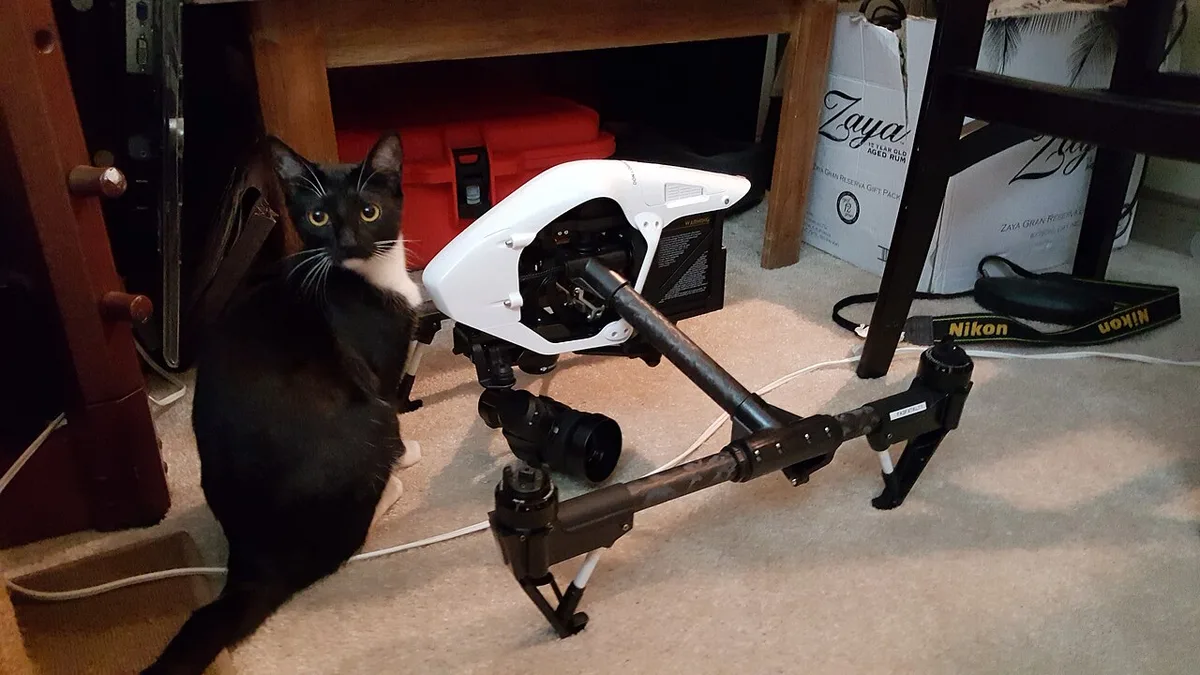
Aerial footage works best in a corporate film when it clarifies the brand story. It can establish a campus, connect a facility to its surroundings, reveal manufacturing scale, introduce a destination or create a memorable transition between scenes. It should support the director's narrative rather than become a collection of disconnected drone moves.
When aerial footage adds value
- Opening or closing establishing shot
- Corporate campus and workplace story
- Factory, warehouse or infrastructure scale
- Product or vehicle movement in a controlled environment
- Brand campaign and advertising transition
- Project launch, milestone or annual-report film
- Website hero video and social cutdowns
Give the aerial team a production brief
Share the script, storyboard, reference film, site plan, camera package, talent or vehicle movement, preferred aspect ratios, schedule and final deliverables. Aerial capture should be planned with the ground cinematographer so light, lens language, movement and colour remain coherent.
Coordinate with the location
Corporate sites often have security, privacy, induction, access, RF and safety rules. Factories may have cranes, power systems and moving vehicles. The client should identify restricted areas and provide a responsible site contact before the shoot.
Delivery and usage
Confirm whether the production needs raw media, graded selects, a finished master, social crops, captions, music or commercial usage. Aerial capture can be supplied as part of a larger crew or as a focused drone unit depending on the production.
Write the story before listing aerial moves
Ask what a viewer should understand after the film. A manufacturer may want to explain how a product is made. A technology company may want to show the people and setting behind its service. A logistics business may need to show a network or facility. Write the key message, audience and proof points in plain words. Then decide which images support each point. A beautiful drone reveal cannot substitute for a clear product explanation.
Create a short sequence: where the company works, what it does, who does the work, what customers receive, and the next action. Some stories may begin with a person or product and use an aerial later for context. Do not force every brand film to open with the same skyline. The setting should be recognisable and relevant to the company.
Give each aerial shot a job
An aerial can establish location, show the relationship between buildings, follow a controlled movement or create a transition. Write one purpose beside each planned shot. If several shots all say “show scale,” keep the strongest and use the saved time for ground detail or sound. The editor needs a beginning, middle and end to each movement, with clean seconds for cutting.
For a factory, an outside aerial shows the building and yard but cannot explain production quality. Ground footage can show the process, subject to safety and confidentiality. For a corporate campus, a wide view can orient viewers; interviews and workplace scenes can make the story human. For a service company, a map or customer example may explain reach more honestly than an unrelated flight over a city.
Share visual language with the whole crew
The aerial team should receive the script or treatment, example frames, ground-camera settings, intended aspect ratios and colour approach. A smooth slow aerial shot may fit a calm architecture film; a faster move may fit a product launch. The production lead should decide that style before the flight. Ask who will match the aerial footage with ground footage in the edit.
Capture enough framing for the final channels. A website banner, presentation screen and vertical reel may need different compositions. If the main subject is at the edge of a wide shot, a phone crop may remove it. Plan dedicated short vertical moves when they serve the story. Leave space for captions and make the opening frame meaningful without sound.
Make the location usable and safe
Give the operator the exact site, proposed camera direction, access points, people and vehicle movement, tall structures, wires and no-film areas. A company may own a campus but still need current airspace and flight checks. The flight permission guide helps gather the inputs. The pilot should confirm feasibility for the actual date and operation rather than rely on an earlier shoot.
At an industrial site, coordinate with the operations manager. Do not ask workers to interrupt safe procedures or move machinery simply for a dramatic shot without a controlled production plan. At a public-facing site, plan around visitors and traffic. Give the crew a named contact who can pause activity or change the shot when conditions differ from the storyboard.
Protect confidential and personal details
Review visible screens, labels, security points, customer goods, employee faces and neighbouring property before publication. A wide aerial may expose a process the company considers confidential. Mark no-film angles on the site plan and keep source footage secure. Tell employees how the film will be used, especially if it may become a paid advertisement or recruitment campaign.
The company should appoint fact and rights reviewers. The fact reviewer checks claims about locations, products and capability. The rights reviewer checks music, people, logos and location permissions. A single producer can gather their comments for the editor. An internal presentation version is not automatically cleared for public advertising.
Budget for the whole production
Ask the supplier to separate planning, aerial crew, ground camera, sound, lighting, interviews, travel, editing, graphics, captions, music licence, revisions and raw-file handover. If an agency hires a drone unit only, define where its work ends and what files the main editor receives. If the studio produces the entire film, name the approval stages and who supplies brand assets and factual information.
The quote should state a schedule: brief approval, site check, filming, first cut, feedback, final master and platform exports. A tight launch deadline may justify a short teaser first and a polished film later. Do not treat a preview clip as the final approved master.
Review the film for truth and clarity
Watch the first cut once as an unfamiliar customer. Can you tell what the company does? Are the people and locations connected to the spoken claims? Then check factual details, names, dates, product stage and whether a scene could mislead. A drone shot of a large facility should not imply the company owns every visible building or that a planned line is already active.
Next review pace, colour, sound, captions and platform crops. Test the final export where it will appear. A silent website hero needs clear visual meaning; a social cut needs readable text; a conference screen may need slower captions. Name the approved version so a draft does not reach the public by mistake.
Example: a Bangalore manufacturing story
Imagine a company launching a film about its new assembly facility. The opening aerial establishes the actual building and access. A ground camera shows workers preparing a product, and an interview explains the customer problem it solves. The aerial returns briefly to connect the production line with the wider site. The company labels one unfinished expansion as planned rather than presenting it as operating capacity.
The site manager controls filming around vehicles and restricted work. The marketing owner checks claims and logo use; the production team delivers a landscape master and two short vertical versions. Each aerial scene has a purpose, and the film still makes sense if weather removes one planned flyover.
Keep the media reusable without losing context
Save final files with capture dates, locations, licences and a note on which claims they support. Review older footage before using it in a new campaign. A workplace, product or site can change. Reusing a beautiful shot under an inaccurate caption damages the value of the film. A short updated scene may be enough to keep a strong story current.
SkyViews commercial production
See commercial drone filming, industrial drone services and the FPV cinematography guide. SkyViews supports brand, agency, film and corporate briefs across Bengaluru and India subject to permissions and operating feasibility.
FAQs
Can a corporate film use drone and ground-camera footage together?
Yes. A shared shot plan and colour workflow help aerial footage feel like part of the same production.
Can drones film factories and campuses?
Yes, with site approval, safety coordination, privacy controls and a suitable flight plan.
Can agencies hire a drone crew for an advertisement?
Yes. The brief should include the script, location, schedule, camera requirements, usage, safety constraints and delivery format.
Can SkyViews provide vertical social edits?
Vertical deliverables can be scoped alongside the main master when the capture plan supports the crop.
Plan your project
Share your site, dates and intended output so we can confirm a suitable scope.
Film, TV & OTT Production · Compare project scope · Get in touch
Related reading
- Automotive Drone Photography and Test-Track Films in Bangalore
- Startup Brand Film with Drone Video in Bangalore: Brief and Production Guide
- Drone Services Guide for Realtors, Builders & Filmmakers
- Architecture Aerial Photography in Bangalore: A Guide for Architects & Developers
- Bridge, Road & Infrastructure Drone Inspection in Bangalore
- Orthomosaic vs 3D Model: Which Drone Survey Output Do You Need?
Contact SkyViews Aerial Drone Studio at +91 90190 56479 or skyviewsdronestudio@gmail.com. Service area: Bangalore, Karnataka and India and wider Bangalore, Karnataka and India.