Startup Brand Film with Drone Video in Bangalore
How startups can use aerial footage in a credible brand film that explains the product, team, workplace, customers and scale without empty hype.
By SkyViews Aerial Drone Studio
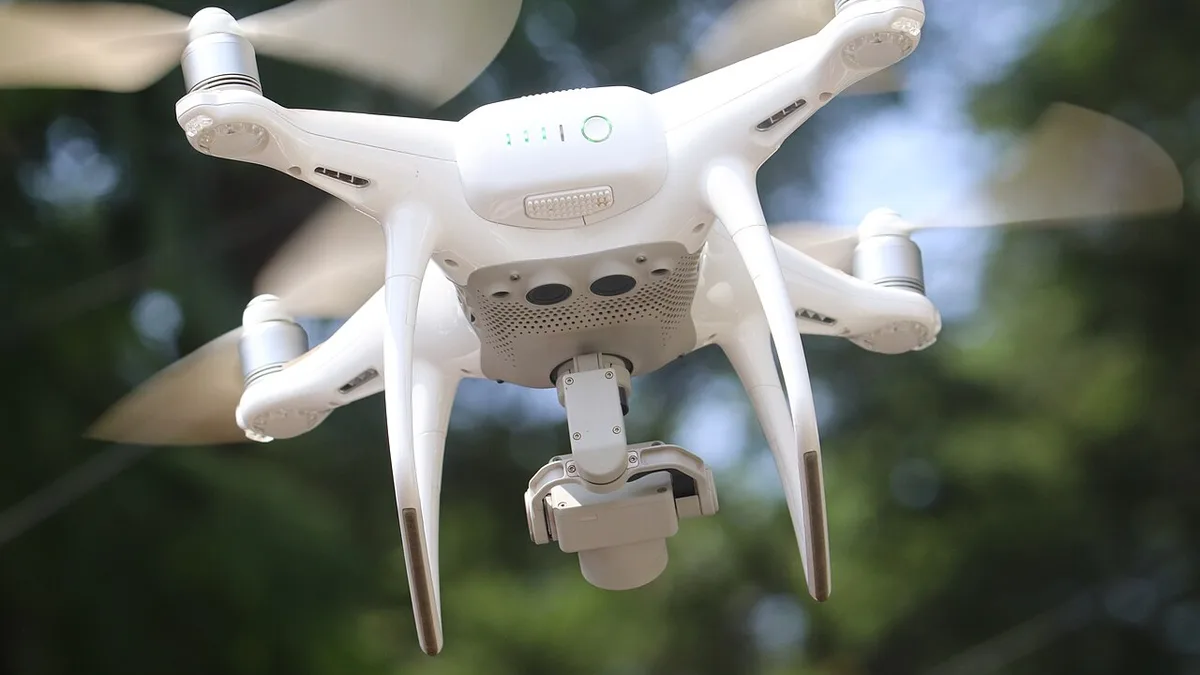
Drone footage can give a startup film scale and energy, but it should support a clear business story. Aerial movement is most effective when it connects the company’s place, people, product, customer or operational footprint to a reason the audience should care.
Define the audience and message
Decide whether the film is for customers, investors, recruits, partners, a product launch or an annual presentation. Identify the single message, proof points and call to action before building the shot list.
Use the workplace honestly
Capture the office, factory, lab, campus, warehouse or field operation in a way that reflects the approved current condition. If a facility, product or team is planned rather than complete, label it accurately rather than relying on cinematic editing to imply otherwise.
Combine aerial and ground production
Drone shots can establish location, movement and scale. Interviews, product details, screen capture, process footage and customer context usually need ground cameras, audio and controlled lighting. Aerial footage should be one part of the story, not the entire story.
Plan platform outputs
State master-film duration, website version, vertical cutdowns, LinkedIn or YouTube exports, subtitles, captions, music, raw media, review rounds and launch date. Read the brand-film guide and deliverables guide.
Write a one-page film brief
A startup can save production time by answering a few questions before asking for a quote. Who is the film for? What should that person understand by the end? Which real scenes prove it? Where will the film appear? Who will approve facts, people and the final edit? A film for first-time customers may need to explain the product plainly. A recruitment film may spend more time with the workplace and team. An investor update may need to show operating scale with careful, dated evidence.
Choose one main message and two or three supporting facts. Avoid asking the opening shot to explain every feature and market at once. If the company cannot describe the benefit in one clear sentence, a drone reveal will not solve the communication problem. Write a rough sequence: the problem, the product or service in use, the people and operation behind it, then the action the viewer can take.
Match each aerial shot to a fact
An aerial of a factory can show the size and setting of a current operation. It cannot prove the factory's output, quality or ownership. An office exterior can establish location but does not prove the size of the team. A road tracking shot can show a vehicle in context but not demonstrate performance without a proper test. Put a factual purpose beside each planned shot, and choose ground footage, a graphic or an interview when that explains the claim better.
Mark which spaces are actually ready to film. A startup may have a new workshop under construction or a prototype on a test site. Film those subjects honestly and label them as current, planned or in development. Avoid edits that combine a proposed rendering with a finished building without telling viewers the difference. Ask the product and legal owners to approve all technical or performance claims before the edit is locked.
Plan one realistic day of filming
Group scenes by location, light and access. For example, start with an empty-site aerial establishing view, then film a real process or customer use on the ground, then capture a founder interview indoors. Reserve time for team portraits, details and room tone. If the site is a warehouse or factory, identify active machinery, staff paths and areas that cannot be interrupted. A short film still needs time for safety setup, moving gear and checking footage.
The drone team needs the exact site, take-off area, desired camera direction, nearby roads or people and a weather alternative. A Bangalore office district, campus and industrial area can present different airspace and ground conditions. Use the flight permission checklist to gather the details, and let the operator assess the live requirements. Do not promise a rooftop or street-level drone move to the marketing team before it has been assessed.
Give the team and customers a clear role
Not everyone wants to be filmed at work. Tell staff when and where filming may happen, who will use the film and whether participation is optional under the organisation's process. If customers, visitors or children may appear, plan the necessary permissions and alternative framing. A startup film often travels widely through sales, hiring and social channels, so a person should understand more than the immediate shoot-day purpose.
Select a few people who can explain the work in simple words. A genuine technician, designer or service worker may provide more credibility than a large staged group looking into the camera. Prepare questions, not memorised praise. Ask for one specific example of the customer problem and how the team helps. Keep filming areas safe and do not ask staff to demonstrate a risky shortcut for the camera.
Budget for the whole film
The price of one drone visit is not the price of a finished brand film. Ask the supplier to separate planning, aerial capture, ground camera, sound, lighting, interview direction, travel, editing, graphics, subtitles, music licence, colour and review rounds. A founder interview may require a quiet room and clean audio; that can matter more than another aerial angle. Decide whether the brief includes raw media and project files, and how long the supplier will retain them.
Make the deliverables precise. A practical set might be a two-minute master, a thirty-second website cut, two vertical clips and a few approved stills. State the aspect ratio, caption language, first-cut date, number of review rounds and final file formats. This makes proposals comparable and reduces the chance that a “short social version” means only a crop of the main film.
Edit for understanding before excitement
In the first review, watch without stopping and ask whether an unfamiliar viewer understands the product and the next step. Then check each claim, location, date, title and visual implication. Does the shot show the real facility connected to the narrated claim? Is a prototype labelled correctly? Are customer logos and testimonials approved? Aerial beauty is useful only when the audience can follow the story.
For the second review, test the video on the actual platforms. A phone may hide small text. A website hero may autoplay without sound. A presentation screen may crop the edges. Add readable captions and keep the central idea visible even when a platform changes the frame. Give a named person final approval so contradictory feedback does not arrive from several teams after export.
Example: an operations startup
Imagine a Bangalore company that manages deliveries for small businesses. The film opens with a real warehouse and local route, then shows a parcel moving through the team's process. A manager explains what the software helps users see. The aerial view establishes the facility and area, while a screen capture and ground footage explain how the service works. The film does not claim the company serves every city simply because the aerial shot looks large.
The crew films an approved site early, before the busiest shift, and keeps aircraft operations away from workers and traffic. The company checks any customer marks or personal details before release. The final edit includes a clear invitation to request a demo. It works because every image has a job: place, process, proof or next step.
Keep the assets useful after launch
Ask for a file list with final versions, stills, captions, usage rights and the date filmed. Keep a note of which scenes may become outdated when the product or facility changes. If the company expands, a short new segment may update the film more honestly than reusing old footage under a new claim. Review music, talent and location rights before repurposing the film for paid advertising or a different territory.
A well-planned brand film can serve sales, hiring and launch work, but each use may need its own cut. The film should remain a true account of the startup at the time it was made. That is more valuable than a grand-looking sequence that leaves customers unsure what the company does.
FAQs
Can a startup film use a drone indoors?
Some controlled indoor work may be possible with appropriate equipment and planning, but the venue, people, obstacles, lighting and safety requirements must be assessed specifically.
How much drone footage belongs in a brand film?
Enough to support the story. The right amount depends on the audience, message, setting and edit; more aerial shots do not automatically make the film stronger.
Can startups receive social cutdowns?
Yes. Request vertical and short-form versions in the initial brief so framing and storytelling are planned for them.
Plan your project
Share your site, dates and intended output so we can confirm a suitable scope.
Film, TV & OTT Production · Compare project scope · Get in touch
Related reading
- Drone Video Post-Production in Bangalore: Editing, Colour and Delivery Guide
- Film, TV & Advertising Drone Production in Bangalore: Pre-Production Guide
- Corporate Brand Films with Drone Cinematography in Bangalore
- Quarry and Mining Drone Survey for Stockpiles and Progress in India
- Port and Maritime Drone Inspection and Photography in India: Planning Guide
- Hospital and Healthcare Campus Drone Photography in Bangalore
Contact SkyViews Aerial Drone Studio at +91 90190 56479 or skyviewsdronestudio@gmail.com. Service area: Bangalore, Karnataka and India and wider Bangalore, Karnataka and India.