Automotive Drone Photography and Test-Track Films in Bangalore
How automotive brands, dealerships and mobility companies can plan aerial vehicle launches, test-track content, factory films and campaign...
By SkyViews Aerial Drone Studio
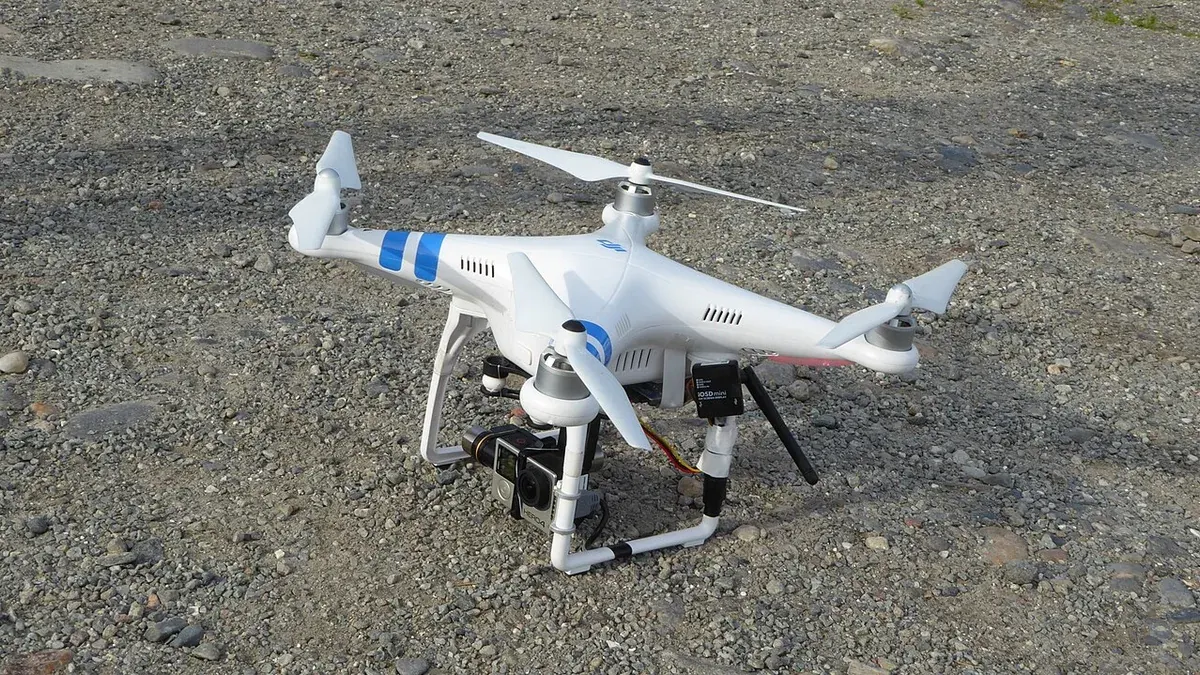
A drone can show a car moving through a landscape, turning on a test track or arriving at a dealership. The height makes the route and setting clear. It does not automatically make a strong automotive film. Viewers still need to recognise the vehicle, understand the feature being shown and trust that the edit represents the product accurately. The production must also be designed around drivers, crew, access and a safe flight.
This guide is for automotive brands, mobility firms, dealerships and agencies planning a shoot in or around Bangalore. It covers the brief, location, movement, crew, shot plan and delivery. A moving-vehicle sequence should be planned in a controlled environment with the site and pilot. The article is a production guide, not permission to fly beside live public traffic.
Track Staging & Vehicle Filming Strategy
Choose one story for the first edit
Decide whether the campaign is a product launch, test-track demonstration, dealership introduction, factory film, fleet story or road-trip piece. Each needs different aerial coverage. A product launch may focus on the vehicle silhouette and setting. A dealership video may need an honest view of the entrance and customer approach. A test-track film may need the route, markers and repeated manoeuvres to be visible.
Write one sentence describing what the audience should remember. Then list the product facts that the film may state. This helps the crew choose shots that support the message. A fast overhead chase may look exciting but do little to explain a charging point, a cabin feature or a service network. Ground footage and close details are often needed alongside aerial views.
Identify the final channels before capture. A website hero, showroom screen, paid ad and vertical reel have different lengths and framing. If several versions are needed, give each a purpose rather than cropping one master after the shoot.
Use a controlled route
A track, proving ground or closed private site gives the production team more control over timing, vehicles and camera positions. The owner and crew can review access, surface conditions, people, other vehicles and no-film areas. A public road adds traffic and unpredictable movement. The team should not assume a normal traffic lane can be treated like a set.
Map the route and planned manoeuvres. Mark where the vehicle starts, turns and stops, and where the pilot can launch and recover. Share the plan with the driver, site marshal, camera crew and client. Agree a clear stop signal and who has authority to use it. If the route changes, hold a new briefing rather than asking the pilot to improvise.
Plan rehearsal runs without relying on the drone. The driver can learn the marks, speed range and direction. The camera crew can then decide whether the desired framing is practical. A controlled, repeatable pass often produces better footage than a single dramatic attempt.
Make the vehicle the subject
Choose angles that reveal the model's form and key features. A high top-down view can explain movement on a track but may hide the grille, lamps or proportions. A low oblique view can show the body, but the surrounding road may distract. Mix establishing shots, readable tracking views and static beauty frames.
Check the exact vehicle before filming. The colour, trim, wheels, badges, accessories and number plate may matter to the campaign. A prototype or pre-production vehicle may have special restrictions. Give the editor an approved product sheet and ask the client which details must not be shown. A film should not imply a feature belongs to a production model if the filmed car differs.
Keep the car clean and consistent across takes. A change in wheels, temporary tape or removable roof equipment can make shots difficult to cut together. Record each take's vehicle and route if more than one car is present. This is especially useful when a campaign has separate petrol, electric or trim versions.
Design movement for the camera and the driver
A tracking shot needs a stable relationship between drone, vehicle and background. Choose a route where the camera can hold the subject without crossing unsuitable areas. The pilot should set a safe path and be free to abandon a take. The driver should follow the agreed route rather than chasing the camera.
Use several shot types. A lead shot can show the destination. A side view can show the vehicle shape. A wide overhead view can show the track layout or convoy spacing. A stationary aerial view can let the vehicle pass through a frame. The edit becomes more readable when all motion is not at the same speed and angle.
Do not use an aerial camera angle to imply performance that was not tested or approved. Speed, range, braking and safety claims need the brand's verified information and legal review. The drone records a scene; it is not a measurement instrument for these product claims.
Crew Coordination & Industrial Setting
Coordinate the whole crew
The production call sheet should name the driver, site controller, pilot, observer where used, ground-camera lead and client approver. Include the vehicle list, route, intended shots, weather decision, access times and communication method. Everyone should know when the route is active and when people may enter it.
Separate the flight area from staging, parking and public access. A test track may still have maintenance vehicles or other users. The site owner should tell the crew what can change during the day. The pilot makes the final decision on whether current conditions suit the planned flight.
Allow time for light and weather. Reflections on a glossy body can change quickly. A cloud can alter the look between passes, and wind may affect camera movement. A launch deadline should include a weather alternative or a reduced shot plan. Pressing for one unsafe take rarely helps the final film.
Tell a factory or dealership story differently
A factory film may use aerial views to establish the campus, circulation and scale. It may then move to approved ground views of production or staff. The site may have strict information controls. Agree what buildings, loading areas, equipment and signage may appear before capture. Do not assume a wide aerial view is free of sensitive details.
A dealership film should help customers recognise the location and find the entrance. Show the real approach, building and parking context. Do not imply that every visible vehicle is available for sale or that temporary event signage is permanent. Pair the aerial arrival with ground-level views that show the showroom experience.
Fleet and mobility stories can use repeated routes or multiple vehicles, but the edit should make their relationship clear. Label a demonstration site as a demonstration site. If the film includes drivers or staff, the client's release and approval process should be planned in advance.
Multi-Format Delivery & Review Workflow
Shoot for horizontal and vertical use
A horizontal tracking frame may leave the car near the edge, which makes a vertical crop unusable. If reels are important, plan dedicated vertical compositions or wider safe framing. Leave room for captions, logos and platform controls. Capture a few clean passes without graphics so the client can create later language versions.
For still photography, request deliberate still frames. Video grabs may not offer enough resolution, sharpness or layout for a brochure. A still set can include a hero image, route context, facility view and details. Give each file a caption or shot ID so the marketing team knows what it may claim.
Review the edit before release
Use a first cut to check story and shot selection. A second review should check product accuracy: model, trim, features, road context, plates, logos, claims and any required disclosure. A final pass should check channel size, sound, captions, usage rights and delivery names. One person should consolidate feedback so the editor is not working from conflicting notes.
Keep public versions separate from rough footage. A prototype or test vehicle may appear in source files that cannot be shared widely. Record who may access originals and how long they will be retained. A music licence for a private presentation may differ from a paid campaign; confirm the intended uses.
Deliver a practical campaign package
The handover can include the approved hero film, channel edits, clean master, stills, thumbnails, captions, version list and raw footage only if included in the scope. Test the exports on the client's normal devices. Name files by campaign, channel, aspect ratio and version so a dealer network cannot accidentally post a draft.
The strongest automotive aerial film uses height for a clear reason. It shows movement, route and setting while keeping the product accurate and the crew in control. For related production choices, read the product-launch guide and licensing guide.
Plan your project
Share your site, dates and intended output so we can confirm a suitable scope.
Film, TV & OTT Production · Compare project scope · Get in touch
Related reading
- Corporate Brand Films with Drone Cinematography in Bangalore
- Product Launch Drone Photography and Video in Bangalore: Planning Guide
- Drone Services Guide for Realtors, Builders & Filmmakers
- Coastal Erosion and Environmental Drone Monitoring in India
- Logistics Yard and Warehouse Drone Progress Monitoring in India
- Commercial Drone Shoot Contract Checklist for India Clients
Contact SkyViews Aerial Drone Studio at +91 90190 56479 or skyviewsdronestudio@gmail.com. Service area: Bangalore, Karnataka and India and wider Bangalore, Karnataka and India.