Drone Social Media Content in Bangalore
How brands, builders, hotels and events can plan aerial content for Instagram, YouTube Shorts, LinkedIn and paid campaigns without wasting...
By SkyViews Aerial Drone Studio
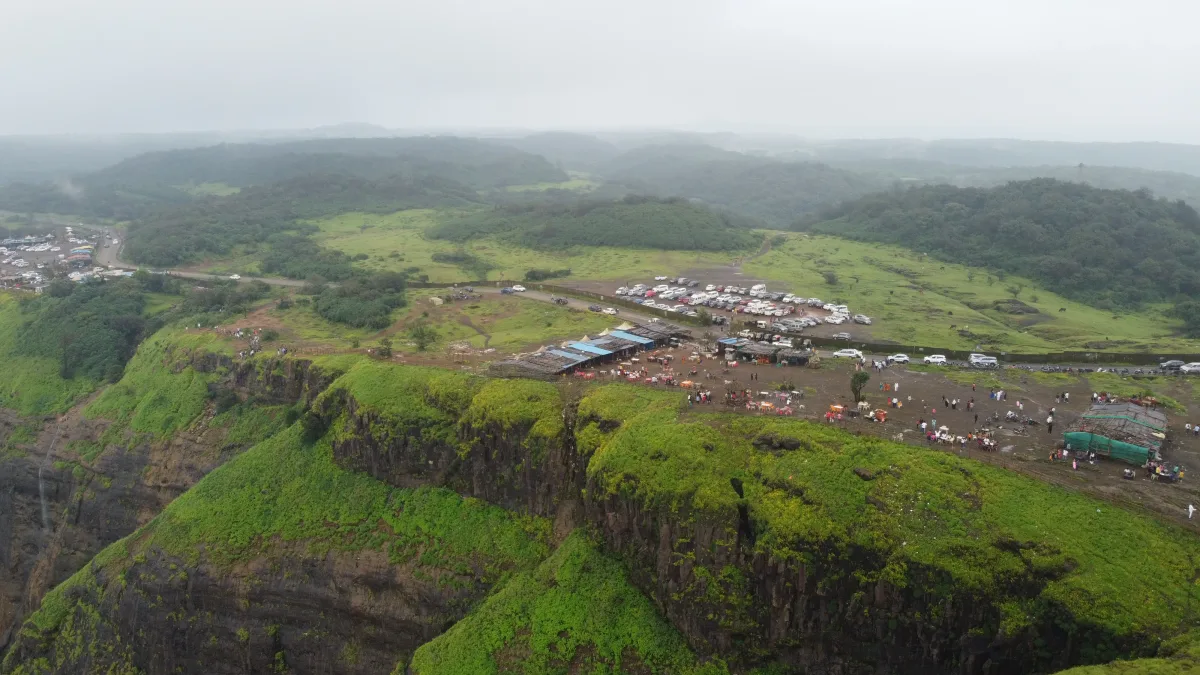
Aerial social content needs to be planned for the platform and the audience, not cropped from a long video as an afterthought. A short vertical clip may need a different height, movement, subject position and opening frame than a website hero film.
Define the content system
Decide how many posts, reels or shorts the shoot should create, which channels matter, who appears on camera, what the first three seconds should communicate and whether the content supports a launch, event, property, product or ongoing series.
Capture for vertical and horizontal formats
Keep the subject within a safe crop, capture clean moments before and after a movement, and record a mixture of wide establishing shots and short usable clips. If the campaign needs text overlays, leave deliberate negative space rather than relying on a random crop.
Repurpose without making every post identical
One shoot can create an anchor film, short clips, stills, behind-the-scenes content, a location overview and a project update. The creative team should vary the hook, caption, edit and audience instead of uploading the same clip repeatedly.
Begin with the viewer's reason to watch
A drone view can stop a viewer for a moment, but the clip needs a useful point. A builder might show what changed on site this month. A hotel might show the route from entrance to garden. An industrial brand might explain how a facility is arranged. Write one sentence for each planned post: “After watching, the viewer will understand…” If the sentence says only “that we have a drone,” the content plan needs a stronger purpose.
Name the audience and next action. A prospective buyer may need a current view and a link to verified project information. A guest may want to see a room or amenity after the aerial opener. A hiring candidate may care about the workplace and people. The same footage can support several audiences, but each edit should answer one question clearly.
Turn one shoot into a realistic content list
Plan outputs before the crew arrives. A practical brief might request one thirty-second anchor video, three short vertical clips, six stills and a small library of clean transitions. Add what each clip will show, the channel and its deadline. Do not promise dozens of distinct posts from a ten-minute flight over one view; repetition will make the campaign feel thin.
Group shots by subject and light. Capture a broad establishing view, a movement toward the subject, a detail from a safe distance and a clean closing frame. Leave a few seconds before and after each move for editing. If the campaign needs several months of updates, schedule repeat capture only when the site or story is likely to change. A real construction milestone or seasonal shift gives the next post a reason to exist.
Film for the actual frame
Vertical video needs the main subject near the middle of a narrow frame. A wide landscape flight may lose the building or product when cropped. Ask the camera team to check safe areas for captions, app controls and a headline. A deliberate vertical shot may be more useful than a cropped landscape master. Keep some horizontal coverage for website, presentations or YouTube where it fits.
The first seconds should establish what the viewer is seeing. A long empty sky or slow approach may work in a full film but lose a phone viewer. Choose an opening image with a clear subject. Add a simple location or project label when needed. Avoid tiny text that cannot be read on a mobile screen. Sound can improve a clip, but the message should remain understandable if the platform starts muted.
Choose captions that add facts
A caption can state the location, date and what changed. It should not make a claim the camera cannot prove. Aerial footage of a construction site can show visible progress; it cannot certify completion, approvals or structural quality. A resort shot taken in monsoon should not imply the same landscape looks that way year-round. Verify product names, stage of work, distances and amenities with the person who owns those facts.
Keep the language short and natural. One clear sentence and a useful call to action often beat a list of hashtags. If a post uses old footage, label the capture period when currency matters. A property buyer or visitor should not be led to treat an earlier view as today's condition.
Plan permissions and people review
Tell the operator exactly where the content will be published, including paid advertising if planned. Venue access and flight feasibility must be checked for the location. The flight permission checklist helps gather the site details. A social deadline does not make a crowded or restricted flight workable. Use a ground camera or a different shot if the aerial plan cannot be carried out safely.
Before posting, review identifiable guests, workers, children, neighbours, private spaces, signs and security details. A wide shot may still reveal a home or workplace. Confirm talent, venue, music and brand rights for each use. A client-approved internal film is not automatically cleared for a paid social campaign. Keep the approved version and approval record together.
Give each platform a suitable edit
Instagram Reels and YouTube Shorts often favour a short vertical story, but the exact platform interface and requirements can change. Check current upload settings when publishing. LinkedIn may reward a clearer business context and captions for viewers who watch without sound. A website hero can use a quieter loop. These are creative choices, not universal algorithm rules. Let audience understanding guide the edit rather than trying to guess a platform secret.
For a paid campaign, make the product or offer clear early and test the final crop with the actual ad placement. Do not assume a clip that performs well as an organic post will automatically work as an advertisement. The landing page should answer the question raised by the video. A beautiful aerial shot that sends viewers to an unrelated page wastes the attention it earned.
Use a simple publishing calendar
Give each asset a capture date, topic, audience, channel, owner and review date. A real estate project can publish a location overview at launch, a dated construction update later and a current amenities tour near handover. A hotel can use a seasonal arrival clip, then a room or activity story. Reuse the same aerial only when it still supports an accurate message.
Review results in plain terms: did viewers understand the offer, visit the relevant page or ask a useful question? View counts alone may reward spectacle without helping the business. Compare posts with different hooks and formats, and note what the audience responded to. Use that evidence to plan the next shoot instead of ordering more footage by habit.
Example: a Bangalore builder's six-week series
Imagine a builder with a new project phase. The shoot captures a dated site overview, three repeatable progress viewpoints, nearby access context and ground footage of completed details. The first reel explains where the phase sits. A second shows a visible construction milestone with a factual caption. A third answers a common buyer question using ground detail after a short aerial opener. The marketing owner approves every claim and date.
Six weeks later, the team reviews what changed before reusing the footage. If the road works or building stage has moved on, they film a fresh update. The series stays understandable because each clip answers a different question, and it stays credible because images are labelled by date.
Agree the file package and approval path
The quote should separate raw camera files, selected shots, edited videos, still exports, subtitles and caption writing. State aspect ratios, lengths, language, number of revisions, usage rights and delivery method. Ask who approves the creative edit and who approves factual or privacy details. One named owner should combine the feedback.
Keep a clean archive of approved masters and source dates. If a clip is reposted months later, the team can check whether the scene and claim still match reality. That simple discipline helps one well-planned aerial shoot produce useful content instead of a pile of attractive but hard-to-use files.
Use cases
- Real-estate launch reels
- Resort and hotel arrival videos
- Construction milestones
- Corporate campus stories
- Wedding venue and event teasers
- Brand and product films
- Industrial facility showcases
Related social media drone services
Explore drone videography, commercial filming, real-estate drone marketing and hospitality photography.
FAQs
Can one drone shoot create Instagram and YouTube content?
Yes, if the shot list includes the required aspect ratios, safe crops, clip lengths and delivery formats from the beginning.
Can builders use drone reels for project updates?
Yes. Recurring milestone capture can create a consistent update series as well as a longer project archive.
Should social content include raw footage?
Raw media, selects and edited clips are different deliverables. State which one is needed in the quote.
Can SkyViews provide captions or vertical edits?
Social-ready edits, captions and aspect-ratio versions can be scoped according to the campaign brief.
Plan your project
Share your site, dates and intended output so we can confirm a suitable scope.
Film, TV & OTT Production · Compare project scope · Get in touch
Related reading
- Automotive Drone Photography and Test-Track Films in Bangalore
- Drone Services Guide for Realtors, Builders & Filmmakers
- Corporate Brand Films with Drone Cinematography in Bangalore
- Monthly Construction Drone Progress Report: What to Include
- Solar Panel Thermal Drone Inspection in Bangalore: Workflow & Limits
- Wedding & Event Drone Shoot Planning in Bangalore: Venue Checklist
Contact SkyViews Aerial Drone Studio at +91 90190 56479 or skyviewsdronestudio@gmail.com. Service area: Bangalore, Karnataka and India and wider Bangalore, Karnataka and India.