Industrial Tank Drone Inspection in India
How industrial facilities can plan visual inspection of tanks, roofs, ladders, platforms and external surfaces with safer first-look...
By SkyViews Aerial Drone Studio
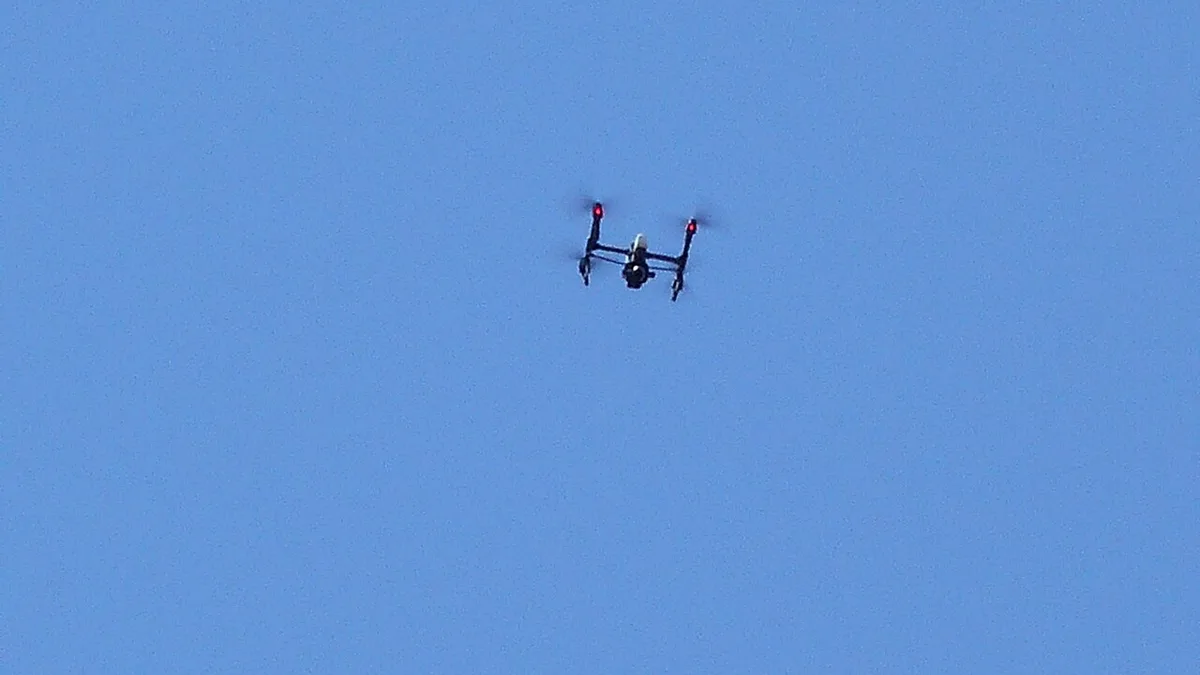
A storage tank can be difficult to view from the ground. Its roof, upper shell, ladder, vents and pipe attachments may be far above the normal inspection route. A drone can give the facility a dated visual first look at these external areas. It may help an inspector decide where a closer examination is needed, but a photograph does not measure wall thickness or certify that the tank is safe.
This guide is for plant owners and inspection teams in India planning external tank documentation. It covers the brief, operating conditions, capture plan, evidence table and handover. The responsible tank inspector and facility safety team must decide whether a drone is suitable for the actual asset and how its images fit the formal inspection programme.
Name the tank and the reason for review
Start with the facility's tank ID, service and location. Supply an approved plan or drawing so the crew and reviewer use the same names. Identify the roof type, visible shell levels, stairs, ladders, platforms, vents, pipe connections and nearby structures. The crew may need only an overview of a few assets, or the owner may want a planned set of views around one tank.
Write one main question for the visit. Is it a baseline before maintenance, a look after strong weather, an external coating review, a follow-up to a ground observation, or a comparison with last year's image set? These tasks need different detail. A wide plant photograph may explain where the tank sits, but it is not enough to review a small area of coating. A close view of one mark may lack the context an inspector needs to locate it later.
Set the evidence standard with the inspector. Specify what image detail is needed, which parts are accessible by drone, and which still require ground or other methods. Mark any part that should not be approached. A tank with the same shape as a neighbouring unit may have different process conditions, so do not assume one flight plan suits both.
Confirm the operating conditions with the owner
The facility must brief the operator on the current process state, vents, heat, vapour, exhaust, hazardous-area controls, radio restrictions, overhead lines, cranes and people movement. The pilot should not have to infer these hazards from a site photograph. The owner may set a distance or prohibit flight near certain equipment. Follow that site decision even if it means some requested images cannot be made.
Check where the crew can launch and recover safely. A narrow pipe rack or crowded yard may offer no suitable ground position. Weather matters too: wind around a large cylinder can be different from wind in the open yard, and glare on a pale or reflective shell can hide detail. The operator should review the exact site and date, current airspace, aircraft and sensor. If the work cannot be done safely, the inspection team should choose another method.
Agree a stop procedure with the control room or facility contact. If the process changes, an alarm sounds, a vehicle enters the operating area or another activity starts, the crew needs a clear person to contact and a safe way to pause. A drone does not remove the need for site induction, permits or the facility's normal controls where they apply.
Divide the tank into traceable areas
Use a simple clock-face or compass scheme for the shell and a clear scheme for roof sectors. Record which convention is used; “north side” can mean little when the original image is rotated. Give each planned view an ID such as T-12 roof west, T-12 shell upper south, or T-12 ladder landing two. Include one overview that shows the whole asset before moving to details.
Photograph a visible concern from more than one angle when safe. The first frame can establish location; the second can show detail. Keep the camera orientation, approximate distance and image number in the log. A close-up without context can be impossible to place later. If a platform hides a shell area, mark that part as not visible rather than assuming it is sound.
For repeated visits, save reference views. The camera may not return to exactly the same position, but a named direction and scale help the inspector compare a mark over time. Record the date, light, weather, tank state and any changed access. A shadow or stain can look different under another sun angle, and a cleaning or repainting event can explain a large change between visits.
Describe appearances, not diagnoses
The report should use plain, careful words: “dark streak below the north roof edge,” “coating loss appears visible beside the ladder,” or “object resting near the vent base.” Each note needs a tank ID, sector, image reference and visibility limit. The inspector can then decide whether a ground check, cleaning, close access, non-destructive test or engineering review is required.
Do not label a mark as corrosion depth, a weld defect or a leak solely from an ordinary image. Colour can shift with light and processing, and a photograph does not reveal what is happening inside the wall. Likewise, a clean-looking roof does not prove that the structure, seal or internal equipment is sound. If a concern appears urgent, use the facility's escalation process at once rather than waiting for the formatted report.
Mark image quality honestly. Blur, glare, shadow, vapour, obstructions and distance can make an area unreviewable. A good table has a field for “not visible” or “image insufficient.” This gives the inspection team a reason to plan a different method rather than treating the absence of a finding as a clean result.
Fit aerial images into the inspection workflow
The tank owner's formal inspection plan determines what must be checked and how. Drone imagery can help locate visible external features and make close-access work more targeted. It may reduce unnecessary first-look climbing in some situations, but it does not replace thickness measurements, internal inspection, testing or certified decisions when those are required.
Give the responsible inspector the original files and the observation list, not just a highlight video. Ask them to mark which observations were accepted, rejected or sent for follow-up. Keep that decision with the tank's asset record. This separates the capture team's report from the technical conclusion and makes the next annual review more useful.
A simple example shows the difference. An image may show a pale patch on the upper shell. The report locates it and notes that the cause is unknown. The inspector compares it with past images and maintenance records, then decides whether it needs a ground view or testing. Only that later process can determine whether the patch is an issue or an ordinary surface change.
Keep sensitive media controlled
Tank images may reveal process layout, security arrangements or neighbouring equipment. Agree who receives the raw media, annotated copies and final report. Keep any public plant film separate from inspection evidence. A marketing edit might show the tank in context; an internal inspection set may include details that should not be published.
Use filenames with site, tank ID, sector, date and view number. Store originals without overwriting them, and put annotations on copies. Record the version of any edited report and who approved it. If the client wants the files in its asset-management system, agree the folder structure and metadata before capture so the set does not become an unsearchable download.
Handover a practical evidence package
The final package can include a site map, tank list, capture date and conditions, coverage diagram, numbered stills, observation table and a limitations page. The coverage diagram should show missed sectors as well as photographed ones. The inspector can then plan follow-up work with a clear picture of what was actually seen.
For a later comparison, keep the same tank IDs, sectors and key view directions. Record repairs, repainting or changed equipment between visits when the owner supplies that history. A recurring record has value because it is easy to trace, not simply because it contains many images. The industrial inspection report template gives another example of an image-led handover.
FAQs
Can drones inspect a tank without scaffolding?
They may provide an external visual first look without putting a person on scaffolding for that first step, when facility conditions and the flight plan allow it. Closer access or testing may still be needed.
Can a drone certify tank integrity?
No. The responsible inspector or engineer determines integrity through the required inspection and technical evidence. A drone supplies selected visual information.
Can tank inspections be repeated annually?
Yes. Keep the tank IDs, sector scheme, view list, dates, conditions and follow-up record consistent so the images can be compared honestly.
Plan your project
Share your site, dates and intended output so we can confirm a suitable scope.
Industrial Inspection · Compare project scope · Get in touch
Related reading
- Chimney and Industrial Stack Drone Inspection in India: Planning Guide
- Cooling-Tower Drone Inspection in India: Visual Scope and Safety Guide
- Industrial Drone Inspection Report Template: Evidence, Limits & Handover
- Earthwork Quantity Handover with Drone Survey in India
- Wedding Venue Drone Content Planning in Bangalore: Client Guide
- Construction Pre-Bid Drone Site Reconnaissance in India
Contact SkyViews Aerial Drone Studio at +91 90190 56479 or skyviewsdronestudio@gmail.com. Service area: Bangalore, Karnataka and India and wider Bangalore, Karnataka and India.