Commercial Drone Shoot Contract Checklist for India Clients
The practical terms clients and drone production teams should confirm: scope, safety, weather, rights, deliverables, revisions, travel and...
By SkyViews Aerial Drone Studio
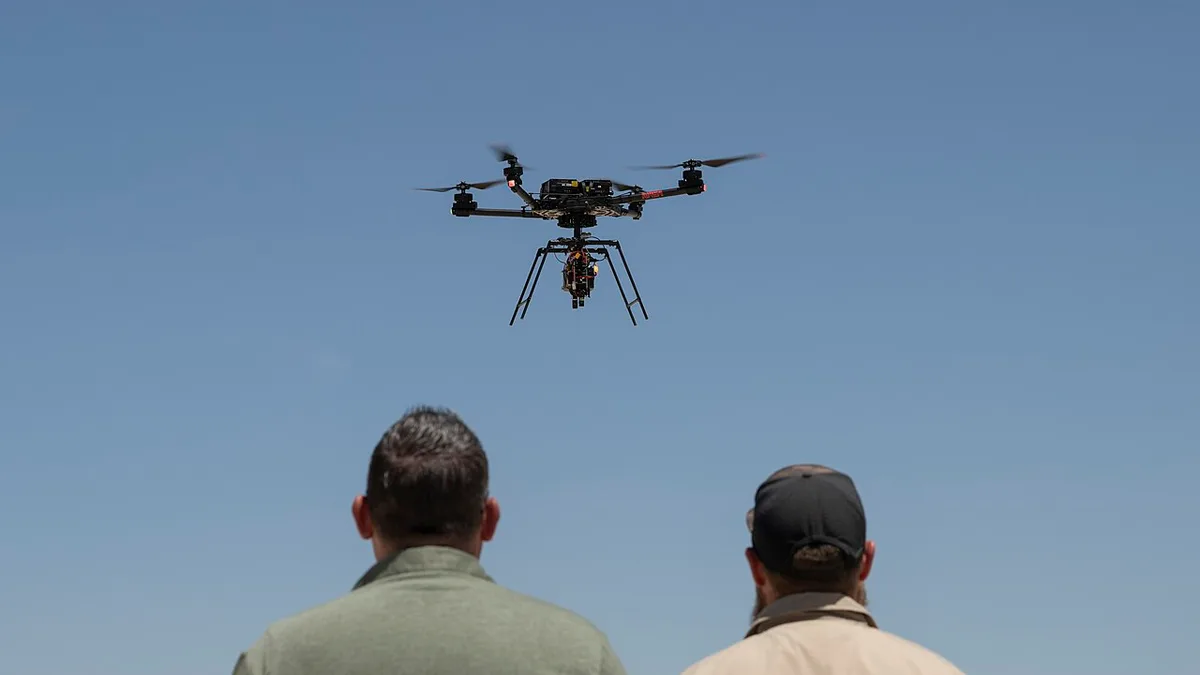
A written drone-production agreement prevents many avoidable misunderstandings. It should describe the work that will be delivered, the conditions that affect the flight, the media rights and the responsibilities of both sides. This is a practical checklist, not legal advice.
Scope and schedule
State location, dates, crew, aircraft or payload where material, flight or capture time, number of visits, travel, access, site contact, purpose and any approved backup window. If the project is recurring, define the cadence and change process.
Safety and feasibility
Record that flight depends on live airspace, weather, access, equipment, site safety and applicable requirements. Identify who can pause the operation, what happens if a location is unsuitable and whether a ground or edited alternative is offered.
Deliverables and review
List stills, finished films, vertical edits, raw or log media, maps, reports, formats, resolution, captions, music, revisions, approval contact and delivery method. Define what counts as a correction and what counts as a new deliverable.
Rights and data
State licence or ownership, channels, territory, duration, partner use, source-media delivery, archive period and access. Address people, logos, music, private property, client-supplied material and sensitive inspection data.
Commercial terms
Include price, taxes, payment milestones, travel or accommodation, overtime, additional locations, cancellation, rescheduling, weather policy and expenses. Keep substantiated credentials and guarantees in the written proposal rather than relying on a verbal promise.
Use the service packages and media archive guide before signing.
Resolve omissions before booking
Read the proposed agreement against the actual brief. Who provides site access, who approves the edit, which rights are included, what happens if flight is not feasible, and how are additional visits charged? Put unresolved points in writing rather than relying on a conversation.
This checklist is a planning aid, not a substitute for reviewing the agreement with an appropriate adviser. Check the studio's terms and refund policy together with the project quote. Use contact to clarify conflicts before payment.
Attach the actual production brief
A contract should point to the version of the brief both parties approved. List the exact site, purpose, dates or window, planned scenes, people or vehicle movement and the final files. If a storyboard or site map is part of the scope, name it in the agreement. Otherwise a later disagreement may arise because the quote says “one drone shoot” while the client expects multiple locations and finished edits.
Use a simple change process. If the client adds a building, changes the launch site or asks for a new output, the provider should explain the effect on flight planning, price and deadline before doing the extra work. A new camera position may also require a new site and airspace check. The approved scope should be easy to find on shoot day.
Divide responsibilities by who controls them
The operator controls aircraft operation and the final go or no-go flight decision. The client or venue may control site entry, traffic, workers, security induction, filming access and factual information about the property. A production company may control talent, vehicles and other camera crews. Put each responsibility beside a named contact. Insurance cannot fix a plan where everyone assumes someone else will clear the launch area.
The agreement should say who gathers current operation details, checks applicable aviation requirements and records pending approvals. The Drone Rules source and live official systems govern the legal position; a contract cannot promise that a changing airspace or site condition will permit a particular shot. Define how the team handles a no-go without pressuring the pilot.
Make weather and access terms realistic
State the forecast review time, backup window, cancellation notice and treatment of travel, crew standby and other costs. A safe day may still fail the agreed visual brief if a sunlit campaign becomes overcast; the parties can define how creative rescheduling differs from a safety no-go. For a one-day event, a ground-camera fallback may matter more than a later flight. The weather guide gives a practical framework.
If the client cannot open the site or delays induction, the provider should know when to wait, reschedule or charge extra. If the provider's crew or equipment becomes unavailable, the client should know the replacement or refund process. Put these cases in ordinary language, not only a broad “force majeure” phrase.
Describe files in a schedule
List the number of edited stills, final films, vertical clips, raw media, maps, reports, captions and source project files. Add format, size, delivery date and review owner. A finished film is not the same as all camera originals. A mapping job may need coordinate information and a quality report, while a social campaign may need music rights and phone-friendly exports. The contract can reference a sample delivery manifest.
Define acceptance. How long does the client have to open and check files? What counts as a correction to the agreed scope? How many edit rounds are included? What happens if an area could not be captured because of weather or site restrictions? A clear acceptance step helps both sides close the job without assuming that a transfer link means everything has been approved.
State ownership and usage precisely
India's Copyright Act, section 17 contains a default first-ownership rule for some commissioned photographs and films made for valuable consideration, subject to an agreement to the contrary. Do not rely on a one-line FAQ to resolve a complex production arrangement. The contract should state ownership or licence for each deliverable, permitted users, channels, territory and term. It should also say whether the provider may use the work in its portfolio.
Clear third-party music, talent, logos, artwork and client-supplied material separately. Ownership of a commissioned film does not by itself grant rights to every element inside it. For important campaigns, an appropriate adviser should review the terms. The footage licensing guide explains the questions in more detail.
Protect sensitive data and source media
If the footage shows a factory, utility, hospital, public project or private home, decide who may see the camera originals. State storage location or standard, access controls, delivery method, retention period and deletion or return process. An approved public edit may exclude details that remain visible in raw media. The client should not assume an open download link is suitable for sensitive files.
For recurring or technical work, keep a file index and version history. If an inspection finding is later questioned, the source image should be traceable from the report. If a mapping file is revised, the earlier accepted version should remain distinguishable. A short archive clause can protect years of future use.
Price the work that happens off site
The contract should identify pre-production, site visits, travel, crew, equipment, capture window, editing, processing, reporting, revisions and taxes. A low flight-day rate can hide a large post-production bill. Ask whether delays caused by the client, weather or official restrictions are billed the same way. Put overtime and extra-location rates in the document before they are needed.
Choose payment milestones that match the job: booking, capture, first cut or data package, final acceptance. Do not confuse payment for mobilisation with a guarantee that a flight will occur on the target date. The parties can agree what portion covers work already completed if the mission is cancelled.
Example: a Bangalore property campaign
Imagine a developer ordering aerial stills and a short launch film. The brief names one property, two preferred dates, a safe access contact, ten edited stills, one landscape film and two vertical cuts. The agreement says who handles site access and who confirms flight feasibility. It lists a weather backup, one factual review and two edit rounds. Music, property claims and any people appearing in public material have named approval owners.
After filming, the developer asks for an extra brochure image and raw media. The provider quotes those items under the change process rather than treating them as silently included. Both sides can continue the campaign without arguing about what “full package” meant.
A pre-signing read-through
Have the project manager read the scope, schedule, rights and payment sections together. Check that dates, sites, file counts and contacts match the quote. Ask who may stop the flight, what happens after a no-go, when the client receives usable files and who can publish them. Resolve contradictions before paying a deposit. For a high-value, public or legally sensitive job, obtain qualified review of the final agreement.
FAQs
Should permissions be guaranteed in a contract?
The agreement should describe the planning responsibility and dependencies, but a responsible provider cannot guarantee a flight when live authorities, airspace, weather or site conditions remain unknown.
Who owns the raw footage?
The contract should state ownership, licence and source-file delivery. Raw media is not automatically included in a finished-film fee.
What if weather cancels the flight?
The written weather and rescheduling terms should state available backup dates, transferable payments, cancellation costs and any non-flight work that can still be delivered.
Plan your project
Share your site, dates and intended output so we can confirm a suitable scope.
Explore drone services · Compare project scope · Get in touch
Related reading
- Commercial Drone Shoot Call Sheet: What to Include Before Crew Arrival
- Drone Project Closeout and Handover Checklist for Indian Clients
- How to Book a Drone Shoot in Bangalore: Client Brief Checklist
- Drone Flight Permission Planning Checklist for India: Verify Before Booking
- RTK, PPK and GCPs in Drone Surveys: Accuracy Explained for Indian Projects
- Drone Video Post-Production in Bangalore: Editing, Colour and Delivery Guide
Contact SkyViews Aerial Drone Studio at +91 90190 56479 or skyviewsdronestudio@gmail.com. Service area: Bangalore, Karnataka and India and wider Bangalore, Karnataka and India.