Drone Inspection Tender Scope of Work: What to Specify in India
A procurement-ready structure for defining assets, inspection questions, safety, data, reports, pricing and acceptance criteria.
By SkyViews Aerial Drone Studio
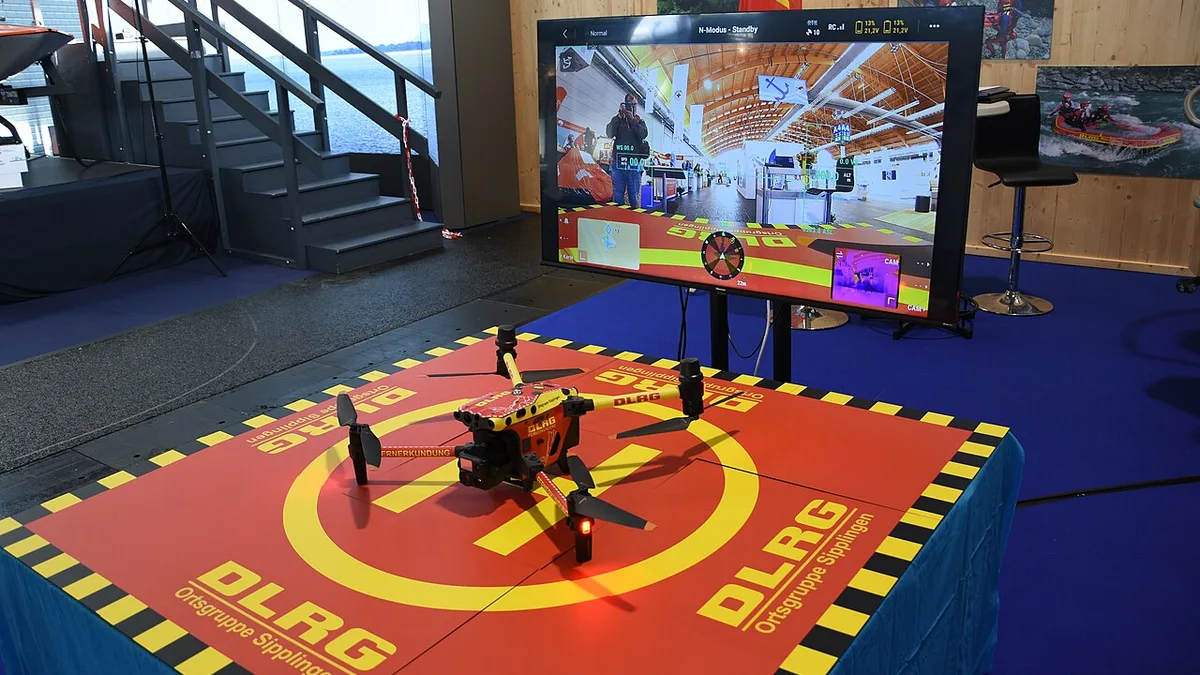
A tender for drone inspection should tell bidders what the client needs to decide. “Inspect the roof with a drone” is too broad. The facilities team may need to locate visible damage before planning safe access. An energy team may need a repeat image record of a solar array. A bridge team may need labelled views of specific exterior components for an engineer to review. These jobs call for different sensors, routes, reports and acceptance checks.
A clear scope of work helps bidders price the same task and helps the client decide whether the delivered evidence is usable. This guide provides a structure for a request for proposal in India. It is a planning aid, not a model contract or a substitute for the responsible engineer's specification.
Inspection Questions & Asset Inventories
Write the inspection question first
Begin with one or two questions the images must help answer. For example: “Which roof bays have visible cracks, displaced sheets or standing water?” or “Which named tower components need a closer ground inspection?” Avoid asking a drone provider to certify hidden condition from photos. State whether the deliverable is visual screening, a detailed photographic record, thermal screening, mapping or a signed technical assessment. If the last item is needed, identify the qualified professional and review method.
Explain why the work is being commissioned now. Is it a baseline before repairs, a comparison after a storm, an annual maintenance round or a response to a known issue? A baseline benefits from broad, repeatable coverage. A targeted investigation may need closer views of a small area. The tender should separate required coverage from optional follow-up. This gives bidders a fair way to estimate time and prevents a small budget from being stretched into an unsupported promise.
Describe each asset in a usable list
Provide a site map and an asset register if one exists. Name buildings, roof zones, facade faces, solar rows, stacks, tanks or other components in the way your maintenance team knows them. Give approximate size, height, quantity and any drawing that helps locate the asset. If the register is incomplete, say so and ask bidders to propose a way to label observations during the first visit.
Include the state of the site. Are machines running? Are roads used by trucks? Will workers or the public be nearby? Are there overhead wires, cranes, radio equipment, reflective surfaces or places where a drone cannot approach? Note known no-film areas and security instructions. A bidder cannot plan a safe route from a street address alone. Do not send confidential access codes in an open tender; arrange controlled access to that information for the selected provider.
For a multi-site tender, list every location separately. Travel, induction, aircraft setup and local flight feasibility may differ. If a site has a fixed outage window, state the exact window and who controls it. If you do not yet know an access date, request a mobilisation plan with clear dependencies instead of demanding a guaranteed flight date.
Define the evidence the client will receive
Ask for images that a reviewer can trace back to an asset and location. A useful naming scheme might include site, asset ID, view direction, capture date and image number. The report should link each observation to one or more original images. A gallery of anonymous photographs is difficult to use for maintenance because a later team may not know which roof bay or facade panel it shows.
Specify the level of detail needed for the decision. If a small fastener or crack matters, ask bidders how they will make it visible from a safe distance under the site's light and access conditions. Do not prescribe one camera resolution and assume it settles the question. Motion blur, poor angle and long distance can make a large file unusable. Ask for a sample image or sample report page that shows the proposed evidence standard.
If thermal imagery is requested, describe the asset, operating state, expected question, time window and who will interpret the pattern. Temperature appearance can be affected by surface, sun, weather and operating conditions. A thermal image should not be sold as an automatic fault diagnosis. Request visible-light context images, sensor details, capture conditions and a clear statement of what requires a closer test by a qualified specialist.
For mapping or measured outputs, name the coordinate reference, control method, coverage, accuracy target and check process. If the client only needs visual locations on a plan, a simpler image log may be enough. Do not add a measured 3D model to every inspection tender because it sounds advanced. Ask the receiving engineering or GIS team what file it can actually open and use.
Flight Safety Pathways & Objective Reporting
Give bidders a safe planning route
State that the proposed flight remains subject to current airspace, aircraft, pilot, property-access, weather and site conditions. Ask bidders to explain how they will check the actual mission rather than attaching a generic claim of compliance. The client should provide a site contact, security or induction process, known hazards, work permits where required and the person who can pause nearby activity. The operator should describe crew roles, operating area, stop conditions and an alternative when the planned view is not safe.
This is especially important for industrial sites. A roof may be above a busy loading bay. A tower may stand beside power infrastructure. A factory may have confidential activity visible from above. The tender should allow the provider to propose a different time, ground camera, access method or excluded area where a drone cannot be used responsibly. A safe exception written into the report is better than an image obtained through an unsuitable route.
Ask for a report that separates facts and judgement
The report should have a short executive summary, asset list, capture date, method, image log, observations, limitations and suggested next action. Each observation should say what is visible. An engineering conclusion should be clearly attributed to the person qualified to make it. If a condition is uncertain, the report should say so and identify what follow-up would resolve it. This avoids turning a possible stain or shadow into a claimed defect.
Ask bidders for an anonymised report sample. Check whether a facility manager could use it to find the same component later. Does each observation have a stable ID? Can the reader open the linked image? Are unclear areas and access limits recorded? A showreel can demonstrate flying skill, but it does not show whether the provider can hand over a useful inspection record.
Acceptance Testing & Commercial Comparability
Set acceptance tests before work starts
Write a small table with the requirement, evidence and reviewer. A roof tender might require images for every named zone, a view that locates each finding, a list of exclusions and a folder that opens without special software. A solar tender might also require row IDs and operating conditions. A mapping tender may require a quality report and independent check points. Keep acceptance tied to the task, not to a vague promise of “high quality.”
Give the client a review period and a way to request corrections. Comments should refer to filenames, asset IDs or report sections. Decide what counts as correction of an error and what counts as extra scope. If an area was not captured because it was unsafe or inaccessible, the provider should explain that before closeout. The client can then decide whether to accept an exception or arrange another method.
Make commercial bids comparable
Ask each bidder to price the same base scope. Separate travel, induction, crew days, capture, processing, report, optional thermal or mapping work, extra visits and any specialist interpretation. State whether source files are included and how long the provider will keep them. Clarify publication rights, confidential data handling, taxes, changes, weather delays and payment milestones in the written agreement.
A lowest-price comparison is meaningful only when the outputs and risks are comparable. One quote may include a pilot and unlabelled images; another may include an observer, asset register, report and review round. Use the provider evaluation scorecard to compare method and scope, and the inspection report reading guide to plan acceptance.
The final tender should be specific enough that a bidder can explain how it will do the work, what it will deliver and where it may fall short. That clarity helps the client buy evidence it can act on instead of simply buying a day of flying.
Plan your project
Share your site, dates and intended output so we can confirm a suitable scope.
Industrial Inspection · Compare project scope · Get in touch
Related reading
- Commercial Drone Shoot Call Sheet: What to Include Before Crew Arrival
- Drone Service RFP Scope Template for India Projects
- Same-Day Drone Shoot in Bangalore: What Can Be Planned Quickly?
- Drone Content for a Real-Estate Launch Campaign in India
- SVAMITVA Drone Surveys in India: From Aerial Capture to Property Card
- Construction Drone Visits: A Worked Budget Worksheet
Contact SkyViews Aerial Drone Studio at +91 90190 56479 or skyviewsdronestudio@gmail.com. Service area: Bangalore, Karnataka and India and wider Bangalore, Karnataka and India.