Drone Service RFP Scope Template for India Projects
A practical request-for-proposal structure for commercial drone photography, mapping, inspection, progress monitoring and data delivery.
By SkyViews Aerial Drone Studio
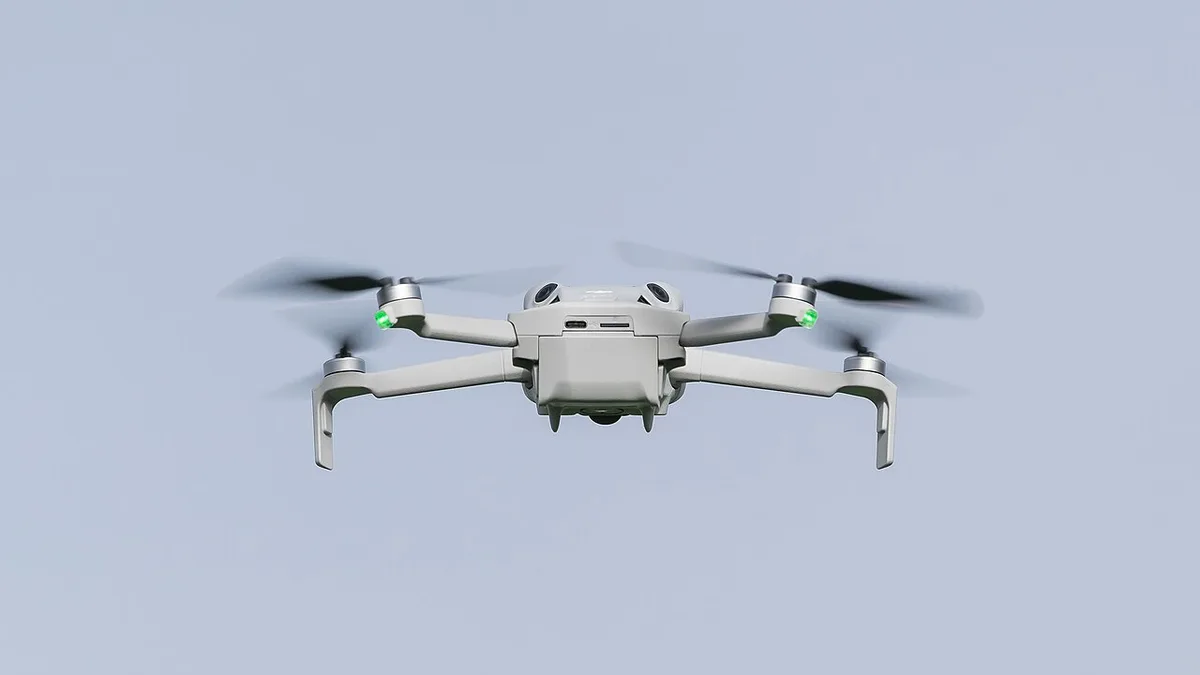
A clear drone-services RFP helps buyers compare providers on the same scope. It should explain the decision the work supports, the site, the operating conditions, the deliverables, the acceptance checks and the commercial terms instead of asking for a generic “drone quote.”
Project background and purpose
Describe the organisation, asset, location, project stage, audience and decision. State whether the work is photography, video, inspection, mapping, progress reporting, live broadcast or a combination.
Site and operating information
Provide the exact map pin, boundary, access, site contact, safety induction, people, traffic, cranes, powerlines, water, sensitive areas, preferred window and known restrictions. Invite the provider to identify assumptions and dependencies.
Technical requirements
List aircraft or payload needs if material, image or video resolution, aspect ratio, map outputs, coordinate reference, control or checkpoints, asset IDs, metadata, report structure, file formats and intended software.
Delivery and acceptance
Define raw media, selected images, finished edits, maps, reports, annotation, revisions, approval contact, delivery method, archive period and acceptance criteria. State what is out of scope, such as engineering certification or legal boundary determination.
Commercial and compliance response
Ask for crew, relevant experience, safety method, current credentials or documentation, insurance information where required, weather policy, travel, taxes, schedule, payment terms, usage rights and rescheduling assumptions. Compare complete scopes rather than headline prices.
Use the contract checklist, service packages and permission checklist.
Define an acceptance test in the RFP
Replace “high-quality drone data” with a deliverable, intended use and review method. For a progress package, specify view IDs, dates and file organisation. For mapping, ask the responsible technical team to state reference systems, coverage, checks and acceptance criteria.
Provide a response table for included items, exclusions, dependencies and optional work. This makes bids easier to compare without assuming identical methods. Request a representative sample and explain who will approve it. Match the request to the relevant service scope before setting a price comparison.
Start the RFP with one clear outcome
Write a short paragraph that says what the organisation will do with the result. “We need monthly dated views of three construction zones for a project review” is clearer than “we need a drone vendor.” If the job has several outcomes, list them separately. A public film, visual inspection and checked map have different methods, files and reviewers even when one crew captures them on the same visit.
Give the bidder the intended audience, decision date and current project stage. A provider can then suggest a practical capture method and realistic schedule. If the buyer needs a technical tolerance but has not defined one, the responsible engineer or surveyor should set it before the pricing is final. Do not ask bidders to guess what “survey grade” means to the client.
Use a site schedule, not only a map pin
Attach a simple table with site name, exact location, boundary or asset count, access contact, preferred visit window and known constraints. For a corridor, mark start and end points and sections. For a campus, show entrances and no-film zones. For a quarry or factory, note active work, vehicles, lines, dust and induction. Bidders should be able to identify where a flight may be delayed or where another method may be needed.
Ask each bidder to state assumptions about airspace, site access and weather. The live flight planning checklist helps collect the exact operation details. An RFP can request a target date, but it should not treat an unknown location or changing restriction as a guaranteed flight.
Make output requirements measurable
For visual media, state the number of edited stills, film duration, aspect ratios, captions, music and whether raw footage is required. For construction progress, state fixed view IDs, report headings, dates and comparison method. For inspection, list asset IDs, required components, image references, limitations and technical-review owner. For mapping, define coordinate system, units, ground control or checkpoints, coverage, file formats and acceptance test.
Write the receiving software and person next to each technical file. A GeoTIFF, DXF, point cloud and PDF have different uses. A bidder should know whether it must supply a georeferenced raster or only a visual image. If the buyer wants both a public edit and a technical record, give each a separate line item and review process.
Ask for a method and exclusions
Let bidders explain how they will achieve the outcome. Require a short method statement covering capture, processing, quality checks, safety, data transfer and reporting. Ask for known limits: hidden surfaces, vegetation, water, people, traffic or restricted areas. A proposal that openly marks an inaccessible area may be stronger than one that promises complete coverage without seeing the site.
For specialist work, ask for a relevant sample output. A showreel shows cinematic style but not inspection traceability. An inspection PDF may show labels but not geospatial accuracy. A mapping sample should include a method and quality note. The buyer can score each response against the work it actually needs.
Give bidders one response table
Provide rows for scope item, included deliverable, method, assumption, exclusion, price and optional alternative. Ask for one responsible contact and any subcontracted role. This format makes it easier to compare proposals without forcing identical equipment choices. An optional higher-detail map or extra edit can be priced separately instead of hidden inside a total.
Treat mandatory site or technical requirements as gates. For example, if the client needs a controlled industrial access process or specific data format, a bidder must explain how it will meet it. A low quote should not outweigh an essential unmet requirement. The provider scorecard offers a way to record evidence and weights.
Put acceptance and correction steps in the draft contract
Say who receives files, how long they have to review them and how corrections are requested. List what counts as complete: all planned areas covered or documented as excluded, files that open in the agreed software, labels and dates correct, and technical checks reported where required. State whether a return visit is included if an area was missed by the supplier, and how weather or client access changes are handled.
A sample deliverable or pilot site can settle uncertainty early. Review that sample before the entire programme is processed. For a public campaign, review factual captions and rights. For a technical job, involve the engineer or GIS user who will accept the result.
Define data ownership, use and retention
The RFP should ask who may use finished images, raw media and processed data, where it may be published, and how long the supplier stores originals. Music, people, property and third-party material may have their own rights. India's Copyright Act, section 17 includes a default rule for some commissioned photographs and films, subject to agreement; important terms should be drafted with legal advice. The footage rights guide explains the questions to settle.
For sensitive sites, define access controls, no-film areas and approval before public release. A government or utility client may keep an internal record but publish only selected, reviewed material. Ask the provider to describe secure transfer and deletion or archive steps.
Compare a total price for the same job
Request planning, site visits, travel, crew, equipment, capture, editing, processing, technical review, delivery, revisions and taxes as clear components. Include the cost of additional sites, weather return visits and urgent work. A bidder may offer a cheaper flight but charge separately for the report the client actually needs. Compare total usable output, not one day rate.
State the payment milestones and whether acceptance affects the final payment. The agreement should also define cancellation, rescheduling and change orders. These are commercial decisions for the buyer and provider; the blog template does not impose a standard contract.
Example: a three-site RFP
Imagine a company wanting monthly progress records for three Bangalore sites. The RFP gives each site boundary, contact and target week. It asks for five repeat views per site, a two-page visible-change summary and a shared file index. A separately priced option requests one checked orthomosaic at a milestone. Bidders explain how they will handle weather, incomplete access and file delivery.
The buyer can now compare one provider's flight plan, sample report, price and exclusions with another's on the same basis. The site manager checks the first sample visit before the full schedule begins. This avoids buying three months of footage that cannot be compared.
A final pre-issue check
Before sending the RFP, ask someone outside the drafting team to read it. Can they find the purpose, location, deliverables, acceptance test, responsibility split and decision date? If not, revise those items. A short clear RFP can be better than a long document full of impressive terms that leave the real output undefined.
FAQs
Should an RFP request a guaranteed flight date?
It can request a target window, but live airspace, weather, access, safety and official dependencies mean a responsible provider cannot guarantee every flight date in advance.
Should buyers ask for a showreel or technical samples?
Both. A cinematic showreel and a relevant inspection, mapping or reporting sample answer different capability questions.
What is the most common RFP mistake?
Requesting “high-quality drone footage” without defining purpose, location, output, usage, review, acceptance and limitations.
Plan your project
Share your site, dates and intended output so we can confirm a suitable scope.
Explore drone services · Compare project scope · Get in touch
Related reading
- Drone Service Provider Evaluation Scorecard for Indian Projects
- Drone Media Archive, Backup and Delivery Workflow for Commercial Projects
- Drone Shoot Weather and Rescheduling Guide for Bangalore Projects
- Recurring Drone Service Retainer Planning in India: Scope and Reporting Guide
- How to Read a Drone Inspection Report: Client Review Guide
- Real Estate Drone Content Calendar for Bangalore Projects
Contact SkyViews Aerial Drone Studio at +91 90190 56479 or skyviewsdronestudio@gmail.com. Service area: Bangalore, Karnataka and India and wider Bangalore, Karnataka and India.