Drone Service Provider Evaluation Scorecard for Indian Projects
A practical scoring framework for comparing drone operators on compliance, safety, data quality, production and commercial fit.
By SkyViews Aerial Drone Studio
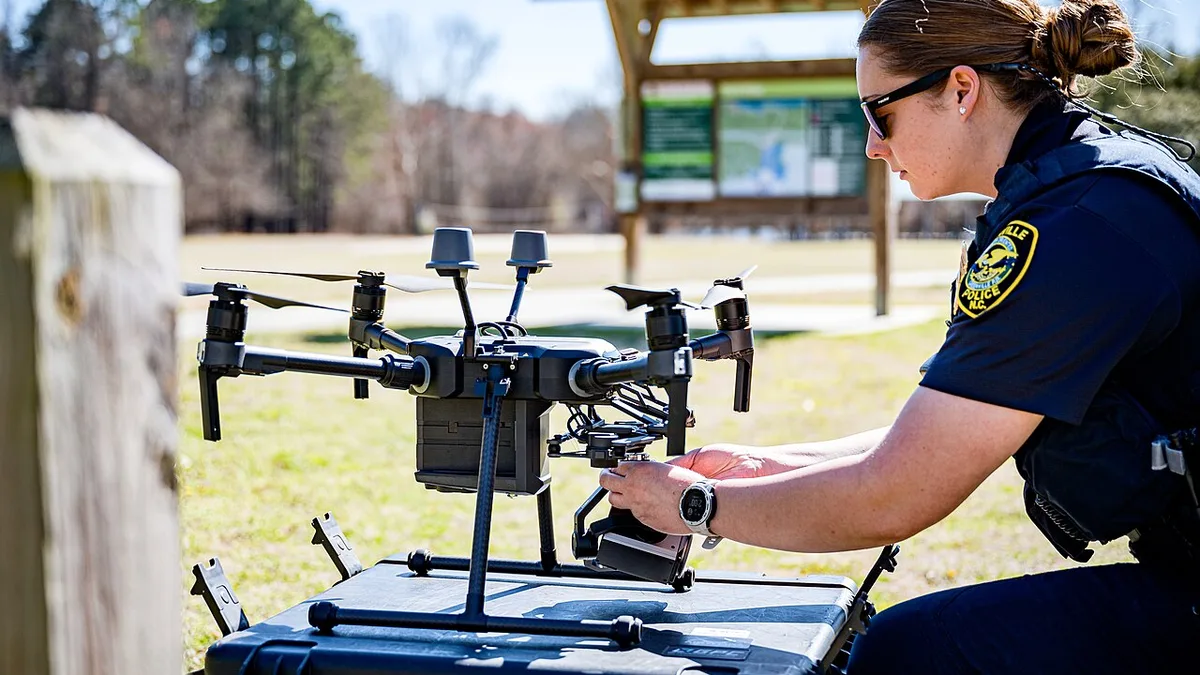
A low quote can hide missing permissions, unclear deliverables, weak data control or a crew that is not suited to the site. A scorecard gives procurement, marketing, engineering and operations teams a common way to compare providers without reducing the decision to camera resolution or headline price.
Four Core Evaluation Pillars
Score the brief fit
Start with the required outcome: film, property marketing, inspection, mapping, progress evidence, live feed or repeat monitoring. Score whether the provider asks useful questions about location, access, audience, accuracy, asset IDs, approvals, privacy, formats and acceptance.
Score operational readiness
Ask for the credentials and records that apply to the proposed operation, along with crew roles, aircraft and payload, risk assessment, weather policy, site coordination, emergency process and rescheduling terms. Do not award points for a generic certificate that does not answer the project's actual constraints.
Score technical quality
For video, review sample footage, colour, stabilisation, sound, framing, edits and platform exports. For survey or inspection, review sample reports, control and check-point methods, coordinate information, file naming, limitations and how observations are verified.
Score commercial clarity
Compare crew days, travel, permissions, equipment, editing, raw files, revisions, usage rights, storage, taxes, cancellation and change-order terms. A transparent provider should identify what is included and what remains dependent on live authorities, weather or site access.
Evaluation Methodology & Scoring Rules
Run a weighted decision
Use weights that reflect the risk: safety and compliance for a live industrial site, data quality for mapping, storytelling for a campaign and continuity for a monthly programme. Keep evidence beside each score so the decision can be reviewed later.
See the service packages and commercial contract checklist.
Use evidence before scoring
Build columns for relevant portfolio, feasible method, crew/equipment documentation, deliverable sample, review process, commercial clarity and references. Record evidence and unresolved questions before assigning a score. A missing document is a follow-up item, not proof of wrongdoing.
Weight the criteria for the decision: a cinema brief and a measured survey require different skills. Treat mandatory capability or access constraints as gates rather than averaging them away with attractive pricing. Compare service scope and package inclusions on the same basis for every shortlisted provider.
Write the job before contacting providers
Give every shortlisted team the same one-page brief. Include the exact location, purpose, audience or technical decision, date window, access conditions and required files. A supplier cannot quote fairly from “drone shoot in Bangalore” when one client expects a short marketing film and another expects a checked survey surface. The brief should name who will review the output and how they will judge it.
Put uncertain items in a separate list. If the venue has not confirmed access or the engineering team has not set a tolerance, say so. The provider can identify the effect on timing and price. This is more useful than letting each bidder make a different assumption and then comparing the totals as though they describe the same work.
Use gates before points
Some requirements should be pass or pending, not a low numerical score. A provider must show a credible plan for the actual flight location, site rules and intended output. If a site requires an induction or a particular insurance condition, the proposal must address it. If a survey requires independent checkpoints, a bidder offering only unverified imagery has not met that deliverable. A low price or attractive reel should not average away an essential missing capability.
Mark each gate as confirmed, pending evidence or not met. Give a reasonable chance to clarify a missing document. “Pending” is not proof that the provider cannot perform; it means the buyer should not award the work on that assumption yet. Record who checked the evidence and the date, because aircraft, crew and project conditions may change.
Score work that matches the project
For a property film, ask for a complete sample that shows entrance, building, context and an edited story. For an event, look at how the crew planned around people and whether the delivered clips were usable on time. For an inspection, read a sample report: can you find a finding by asset ID and image reference, and does it state what was not visible? For mapping, open a sample file and read its coordinate and accuracy note. A general showreel is not evidence of all four abilities.
Ask what the provider's own crew did on a sample job. Did it fly, edit, process survey data, write the report or manage subcontractors? A firm can use specialists well, but the proposal should say who is responsible for each stage. References are most useful when they describe a similar deliverable, schedule and review process.
A simple weighted example
Suppose a facilities team is choosing a provider for recurring roof imagery. It might allocate 30 points to site and flight planning, 25 to traceable inspection output, 20 to repeatability and reporting, 15 to commercial clarity and 10 to relevant experience. Those weights are illustrative, not a standard. A marketing team would use a different mix, with more weight on storytelling and usage rights. Write the weights before opening prices so the rules do not shift toward a favourite bidder.
For each category, use a small scale such as 0 for no usable evidence, 1 for partial evidence and 2 for clear evidence that fits the job. Multiply by the category weight and keep one sentence explaining the score. This makes the final result reviewable. If two providers tie, look at the unresolved risks, not only the decimal total.
Compliance, Scope & Pilot Program Handover
Check current flight requirements
Ask the operator to explain the aircraft, pilot, site and current official workflow that apply to this exact job. The Drone Rules source, live airspace map and current DGCA notices are starting points for the legal position. The flight-permission planning guide lists what the client should supply. A document from an earlier shoot does not settle a new location, date, aircraft or operating condition.
The buyer should also ask about weather decisions, people separation, emergency contact, site owner approval and how a no-go decision affects the schedule. A sound proposal may contain a clear fallback rather than an unconditional promise to fly.
Check data handling and rights
For public marketing, confirm who can publish the images, for how long, in which channels and whether people, music or third-party material need additional permission. For an industrial or government site, ask where originals will be stored, who may access them and when they will be removed. A large video file sent through an open link can be a problem even when the filming itself was well executed.
Include raw-file delivery, archive period and editable project files as separate scorecard rows. A provider who supplies only a finished video may still fit a simple campaign. A technical client may need source imagery and a method note. The score should reflect the agreed purpose, not an assumption that every project needs every file.
Compare total scope, not only a day rate
Request clear inclusions for planning, travel, crew, equipment, capture time, editing, processing, review rounds, licence, file transfer and taxes. Ask what happens when weather, site access or client changes postpone the job. One quote may include a backup date and finished vertical edit while another includes only raw footage. Put them on the same scope before comparing price.
Do not reward an unrealistically short delivery promise if the technical result needs quality checks. A same-day visual preview and a later checked mapping report can be sensible milestones. The contract should identify which is accepted when.
Run a small pilot on a high-value programme
For a multi-site or recurring project, a sample visit can reveal more than a presentation. Give the provider one representative site and the intended deliverable. Check the file names, image coverage, report clarity, communication and how it handles an exclusion. Use that result to refine the main scope. A pilot is especially helpful when the receiving team has a specific GIS, CAD or asset system.
Keep the decision record short
Save the brief, scorecard, evidence links, clarification answers and reasons for selection. Note any conditions the selected provider must satisfy before mobilising. After the first delivery, compare the actual result with the scored promise. This helps the buyer improve the next procurement and prevents the scorecard from becoming a paperwork exercise.
The best provider is the one whose evidence and plan fit the actual job. A transparent limitation or a sensible no-go condition can be more valuable than a polished promise that cannot survive contact with the site.
Plan your project
Share your site, dates and intended output so we can confirm a suitable scope.
Explore drone services · Compare project scope · Get in touch
Related reading
- Drone Service RFP Scope Template for India Projects
- Drone Media Archive, Backup and Delivery Workflow for Commercial Projects
- Drone Project Closeout and Handover Checklist for Indian Clients
- Recurring Drone Monitoring: A Monthly Reporting Framework for Indian Sites
- Drone Mapping for Urban Road and Traffic Planning in India
- Drone Roof and Facade Surveys for Facility Maintenance Teams
Contact SkyViews Aerial Drone Studio at +91 90190 56479 or skyviewsdronestudio@gmail.com. Service area: Bangalore, Karnataka and India and wider Bangalore, Karnataka and India.