Museum and Cultural Venue Drone Photography in India: Planning Guide
How museums, galleries, cultural centres and public venues can plan aerial architecture, landscape, event and documentation content responsibly.
By SkyViews Aerial Drone Studio
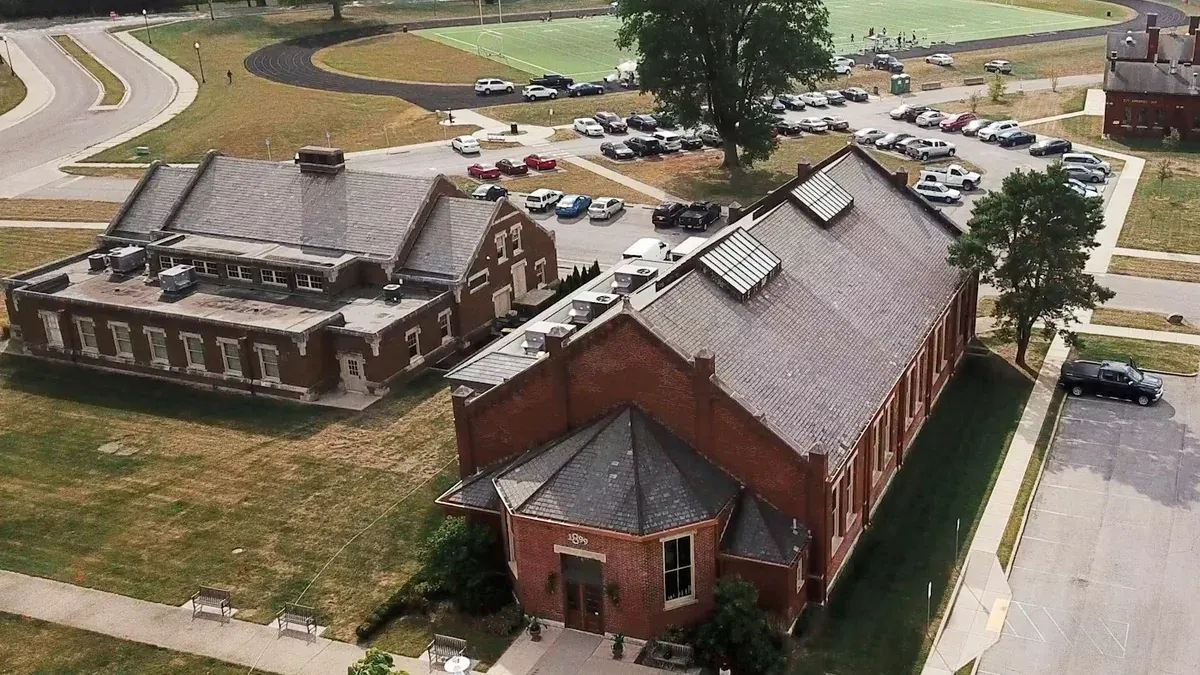
Museums and cultural venues can use aerial imagery to explain architecture, landscape, public access, a new exhibition setting, construction or a large event. The brief must distinguish outdoor building photography from the separate permissions and conservation needs of objects, visitors and interior spaces.
Choose the story
Decide whether the output is a venue introduction, exhibition campaign, architecture portfolio, event film, public programme, expansion record or tourism content. Identify approved views, no-film areas, artwork, visitors and neighbouring property.
Coordinate with venue management
Confirm visitor hours, security, event schedule, access, roof or courtyard rules, take-off area, privacy and the contact responsible for final approval. Empty or controlled windows may provide a safer result than a crowded event.
Protect people and collections
Avoid unnecessary capture of identifiable visitors, staff, private activity and sensitive security details. Do not imply that artwork or an exhibition is available beyond its approved dates. Review all final media before public release.
Plan deliverables
Specify architecture stills, establishing video, vertical cutdowns, event coverage, captions, music, raw media, usage and archive. Combine aerials with ground details and interviews when the audience needs cultural context.
Decide what visitors should learn
A museum can use aerial imagery to show how a building, garden and public entrance fit together. A cultural centre may need to explain a new wing or outdoor programme. An event organiser may want a short opening view that locates a temporary installation. These purposes need different timing and rights. Name the audience and one clear question before choosing camera movement.
An exterior film can show approach routes, courtyards, landscape and architecture. It cannot explain the collection on its own. Use approved ground details, curator narration or exhibition text when the audience needs meaning. A beautiful orbit of a museum roof is not a substitute for the story of what happens inside.
Decide whether the work is an archive, a campaign or both. An archive needs dated, labelled, repeatable stills. A campaign may use a short edit and music. Keep the factual source set separate so a polished film does not become the only record of a building change.
Map permissions and rights early
The venue manager should identify which external areas can be filmed, when visitors are present, and which parts of the property are restricted. Outdoor venue access does not automatically include aerial flight approval, filming rights to every artwork or permission to publish visitors. The pilot must review current airspace and the site for the exact date and location.
Ask the curator and rights team about visible outdoor artworks, banners, temporary exhibits and commissioned installations. Some works may appear incidentally in a wide shot while others become the main subject. The venue should decide what can be used in an advertisement, educational film or archive. Record required credits and any date limit in the brief.
Neighbouring property and public roads can appear in a wide view. Keep the frame focused on the venue's purpose and review background details before release. A public image may need a simpler crop than an internal site record.
Choose a quiet capture window where possible
A pre-opening period can give clear architecture views and easier coordination with security. It may also be the only practical time to film an outdoor courtyard without a crowd. Confirm deliveries, cleaning, event build and staff movement; “before opening” does not mean the site is empty.
If the brief needs an event atmosphere, plan it with the venue's event lead. A drone should not be added casually to a dense audience. Use ground cameras for speakers, artworks and close human moments. A short, approved aerial establishing view may show the setting without moving over visitors.
The site walk should identify trees, cables, lighting rigs, flags, roof edges and safe launch and recovery places. Wind around a building can differ from open-ground conditions. If a flight is not feasible, ground photography or existing approved footage may still tell the story.
Make an architectural shot list
Start with one image that explains the whole site. Then list entrance, facade, courtyard, roofline and landscape views by name. Note which direction shows the building accurately and which season or light suits the material. A reflective or pale facade can lose detail in harsh light. Record the time of each selected still if the images will later be used for an architecture comparison.
For an expansion record, repeat a small set of viewpoints before, during and after work. Put dates on every frame. A construction image can show a new volume beside the older building, but it cannot certify that the wing is open or technically complete. Keep the architect's and contractor's formal records beside it.
For public communication, plan horizontal and vertical formats separately. A broad facade may crop poorly into a phone reel. Leave room for captions and exhibition dates. Request deliberate still photographs for posters or brochures instead of relying on video frames.
Protect collections and visitors
Collections may be sensitive to filming, lighting or public exposure. An aerial exterior assignment should not turn into an indoor gallery flight without a new technical and conservation brief. Indoor spaces have obstacles, people and objects that require separate planning. The museum's collection and safety teams should decide what is possible.
Even from outside, a camera may see through large windows into galleries or offices. Mark such areas on the plan and review the frame. Avoid identifiable children or private visitor activity unless the venue has the appropriate approval. A wide shot can still identify people when viewed at full resolution.
Do not use an image to imply that a temporary show is permanently available. Put the exhibition date or programme period in captions when needed. Check that the public can actually access the entrance or garden shown in the film; some doors may be for staff or events only.
Review the edit as a cultural record
The curator or venue editor should check names, dates, credits, labels and any claim about the building or collection. The security team should review sensitive angles. The communications team can then approve format, logo and channel. One person should consolidate feedback so the editor is not asked to make conflicting changes.
Preserve source files, selected stills and final edits as separate versions. Name images by venue, view, date and usage status. An old marketing clip may be reused after an exhibition closes, so set a review date for captions and scenes that can become outdated.
A simple handover can include an overview map, dated image index, approved public files, raw media if agreed, credits, rights and exclusions. For related work at protected heritage places, see the monument documentation guide. The goal is to help visitors understand the venue while respecting the collections and people it serves.
Before a later campaign reuses the footage, check whether signs, access routes, exhibitions and surrounding construction still match the current visitor experience. A dated archive can remain useful for research even after a promotional edit is no longer accurate.
FAQs
Can a museum be filmed during public hours?
It may be possible with venue approval, crowd and privacy controls, security coordination and current flight-feasibility review.
Can drones fly inside galleries?
Indoor filming is a separate specialist brief and depends on venue rules, people, objects, obstacles, equipment and safety planning.
Can cultural venues use aerial video for tourism marketing?
Yes, when the venue approves publication, credits, privacy, current conditions and usage rights.
Plan your project
Share your site, dates and intended output so we can confirm a suitable scope.
Explore drone services · Compare project scope · Get in touch
Related reading
- Restaurant, Café and Venue Drone Photography in Bangalore
- Corporate Annual-Report Drone Photography in India: Planning Guide
- Commercial Drone Data Security in India: Client Planning Guide
- Adventure Sports and Outdoor Tourism Drone Video in India
- Solar Farm Construction Drone Progress Monitoring in India
- Airport and Aviation Facility Drone Documentation in India: Planning Guide
Contact SkyViews Aerial Drone Studio at +91 90190 56479 or skyviewsdronestudio@gmail.com. Service area: Bangalore, Karnataka and India and wider Bangalore, Karnataka and India.