Retail and Mall Drone Photography in Bangalore
How malls, retail parks and commercial destinations can plan aerial content for launch campaigns, leasing, events, access and site progress.
By SkyViews Aerial Drone Studio
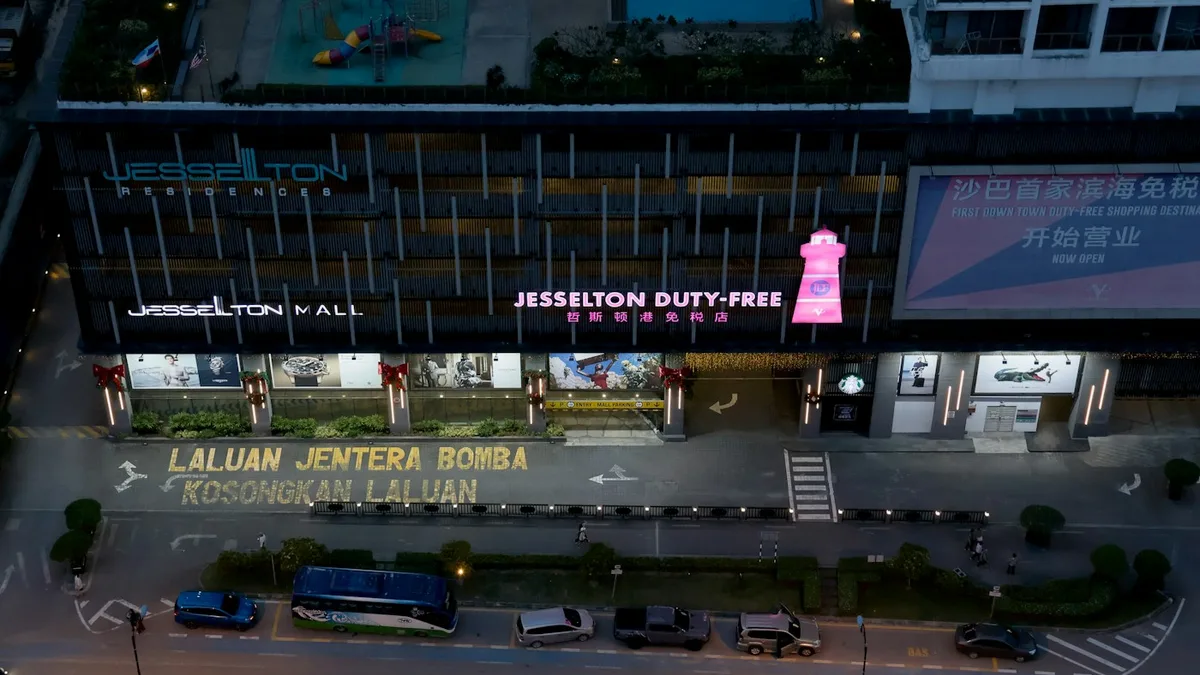
Retail properties need visuals that explain arrival, scale, parking, frontage, tenant context, public space and the customer journey. A drone shoot can support leasing, launch marketing, event promotion, construction updates or an annual property presentation when the brief is designed around the actual audience.
Choose the purpose
Separate a leasing presentation, public launch film, event recap, construction record and access or wayfinding brief. Each needs different timing, people controls, shot priorities and publication rules.
Plan around operations
Share loading times, security rules, traffic, parking, visitors, signage, construction areas, no-film tenants, roof access and a facility contact. An active mall may need a low-activity window or a ground-based alternative for certain views.
Show the customer journey accurately
Consider approach roads, entry, parking, facade, public realm, landscape, neighbouring development and approved event moments. Do not imply that a planned tenant, amenity or access road is open if it is not.
Define delivery and usage
Specify stills, master film, vertical cutdowns, leasing deck exports, raw media, captions, music and usage channels. Confirm whether tenant logos and identifiable visitors may appear. Review the privacy guide and usage-rights guide.
Separate the leasing story from the shopper story
A leasing manager wants to show where a unit sits, how shoppers reach it and what nearby uses support the location. A shopper wants to know how to arrive, where to park and what is open now. The same aerial view may help both, but the captions and supporting facts differ. A leasing film can identify an available unit after the property team verifies the current plan. A public launch film should focus on open entrances and real services. Do not mark an unsigned tenant as open or use a planned rendering as if it were a current aerial photograph.
Make a list of decisions each audience is trying to make. For a prospective tenant, include frontage, access, service yard context and the relation to anchor spaces. For a visitor, include the correct gate, parking and public route. For an investor, the brief may be about construction progress or the finished site rather than individual shops. This list determines which camera views are useful and which belong in a private deck rather than public advertising.
Build a site plan before the shoot
Ask for the latest property plan with named gates, blocks, parking decks, loading areas and no-film zones. Walk it with security and operations. Confirm which roof or open area can be used for launch and how the crew will reach it. Note nearby roads, signs, glass facades, cables, cranes, people and other obstacles. Check current airspace and weather as part of the flight plan. A mall may be close to dense urban activity, so some planned aerial angles may be unsafe or impractical; decide on elevated ground-camera alternatives early.
Mark active construction separately from customer space. An image of a newly built wing may look open even when barriers are still in place. If a project is phased, capture a clear boundary between operating and future areas. The property team should approve each label on a map or film. Keep a dated version of the plan used for the shoot, since gates and tenant layouts can change quickly.
Show arrival without making travel promises
An approach view should help someone recognise the correct entrance and the surrounding roads. Film from a direction that matches normal arrival where safe. Pair it with ground views of signs, pedestrian entry and parking instructions. Do not use a dramatic reverse shot that makes the entrance seem to face a different road. Aerial imagery can show road context but cannot guarantee a journey time, parking space or future traffic condition. Check any distance or access claim against the property's current information.
For a retail park, service traffic may share roads with visitors. For a mall, separate basement parking, ride-share drop-off and loading docks in the brief. A leasing deck may need the service route; a public film may need only the visitor path. The answer is to make two clear versions, not to put every route into one busy graphic. If the site has a pedestrian link or public transit stop, verify that it is operating before showing it as a current benefit.
Choose capture windows around real operations
A quiet morning helps show architecture and signage without crowds. A busy period can show atmosphere, but it introduces privacy, safety and approval needs. Decide whether people are essential to the story. If they are, plan a controlled scene with permissions or use ground footage of approved participants. Avoid flying low over queues, parking circulation or live events simply to make the frame lively. Security and the pilot should agree on a stop signal and a route for moving the crew if operations change.
Lighting also affects accuracy. Glass can reflect neighbouring buildings; dark shopfronts may hide signs; construction hoardings may dominate a view. A scout visit or current site photographs can reveal these issues before the flight day. If a tenant facade is still under fit-out, either wait or label the image as progress. Weather and seasonal decorations may make a campaign asset date-sensitive. Keep the capture date with the files so older imagery can be retired when the property changes.
Tell the story of public space and tenants fairly
Wide shots can explain the relation between entrances, plazas, landscape and outdoor dining. Ground shots are better for shopfront detail, interiors and the visitor experience. For leasing, pair an aerial locator with a verified unit plan and current availability sheet. For public marketing, pair a wide view with approved tenant names and opening status. Do not imply that a logo visible in an image means the tenant has approved a joint promotion.
Ask whether brand marks, artwork, event signage or people can appear in each intended channel. A tenant may permit an organic property post but require approval for paid advertising. Sponsor agreements may be different again. Keep a simple rights sheet next to the shot list, with the approving contact and usage term. This avoids an edit that looks finished but cannot be published.
Make a handover that stays useful
Deliver a small set of labelled stills and edits matched to the brief: property overview, arrival, key frontage, public space and any approved event or leasing view. Include the date, building or gate name and viewing direction in file names. Provide a clean master without text, plus channel versions with approved captions. Keep originals separate from edited files so a future team can check what was actually photographed.
Create an asset register with the owner of each claim. The leasing team checks unit labels and availability. Operations checks gates and parking. Marketing checks brand tone and publication rights. Security checks sensitive details that should not be public. When a tenant changes or an entrance closes, the register shows which images and videos need replacement. The footage usage-rights guide explains why this should be settled before reuse.
Example: a new wing at an operating mall
Imagine a Bangalore mall opening a new wing while the original building remains busy. The owner needs a leasing deck and a visitor launch film. The property team gives the crew an updated plan with the new public gate, a separate loading route and a list of tenants that have confirmed opening dates. The pilot captures wide views during a quiet window, while a ground crew records the actual pedestrian route and shopfront details. The unfinished units are visible only in the private leasing version and are labelled as work in progress.
The public edit shows the operating entrance and approved open tenants. It avoids a view that would make the unfinished wing look fully occupied. The leasing deck uses a dated locator image and the current unit schedule, with the schedule identified as the source of availability. Two edits from one coordinated shoot now serve different decisions without creating a false impression. That is what good retail aerial content should do: orient the viewer and leave the commercial facts with the property team that owns them.
Questions for the first call
Tell the producer whether the property is operating, opening or under construction. Share the current plan, expected audience, priority entrances, quiet windows, no-film areas and intended channels. Confirm who can approve flights and who can approve factual captions. Ask for a proposal that names the number of capture windows, ground coverage, formats, review rounds and any alternate plan if flight conditions do not work. A clear scope makes it easier to use the same material across leasing, marketing and documentation without confusing those uses.
FAQs
Can a mall be filmed while open?
It may be possible with facility approval, controlled timing, privacy planning, security coordination and a site-specific feasibility review.
Can aerial content help lease retail space?
Yes. It can show visibility, access, scale and surrounding context, but commercial claims should be verified by the property team.
Can one shoot create content for tenants and the mall?
Potentially, but usage rights, branding, approvals and separate deliverables should be agreed before capture.
Plan your project
Share your site, dates and intended output so we can confirm a suitable scope.
Aerial Imaging & Cinematics · Compare project scope · Get in touch
Related reading
- Drone Photography for Architects: Portfolio, Project and Design Documentation Guide
- Apartment Handover Drone Documentation in Bangalore: Practical Guide
- Architecture Aerial Photography in Bangalore: A Guide for Architects & Developers
- Golf Course and Resort Drone Photography in Bangalore: Aerial Content Guide
- Dam and Canal Drone Inspection in India: Water Infrastructure Planning Guide
- Railway and Road Corridor Drone Inspection in India: Planning Guide
Contact SkyViews Aerial Drone Studio at +91 90190 56479 or skyviewsdronestudio@gmail.com. Service area: Bangalore, Karnataka and India and wider Bangalore, Karnataka and India.