Wind Turbine Drone Inspection in India
How renewable-energy teams can plan visual blade, tower, nacelle and site inspections with clear evidence, limitations and follow-up.
By SkyViews Aerial Drone Studio
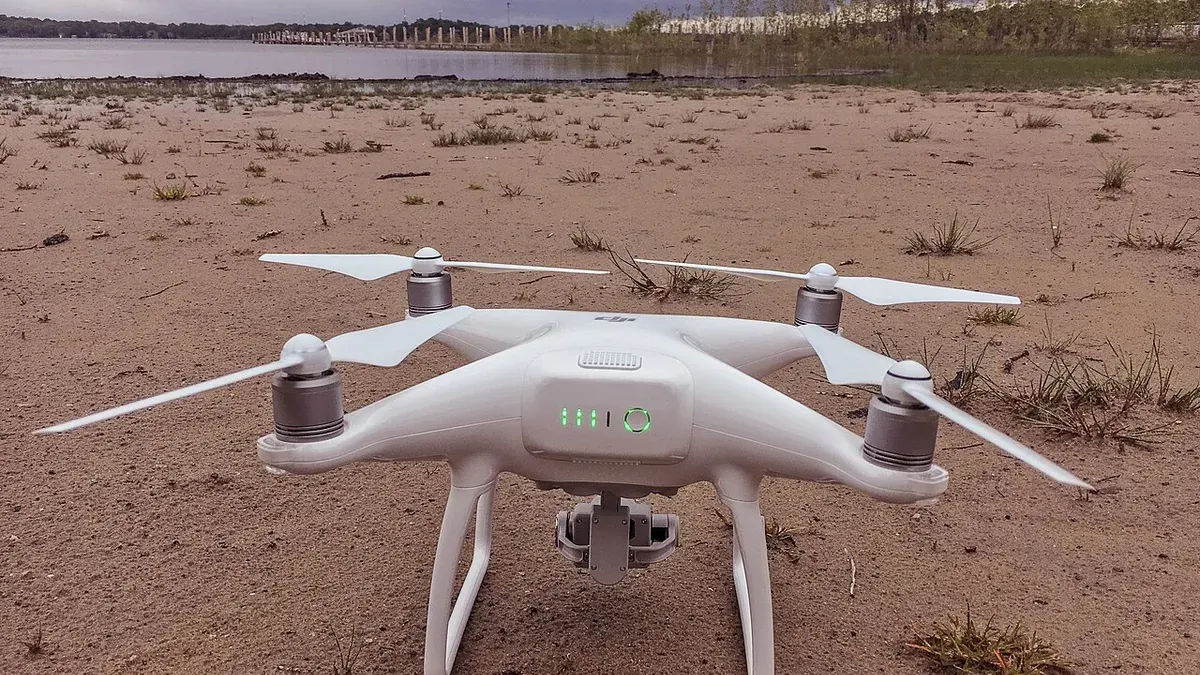
Wind-turbine drone inspection is most useful when the inspection question and evidence standard are clear. A site may need blade surface documentation, tower and nacelle imagery, post-weather review, recurring comparison or maintenance triage. Each purpose affects capture distance, payload, weather window and reporting.
Define the asset and objective
Record turbine IDs, blade positions, tower sections, nacelle, access roads, substation or surrounding assets and the reason for the inspection. Use consistent naming so the images can be connected to a maintenance record.
Plan the operating window
Wind, rain, visibility, turbine status, access, terrain, power systems, nearby workers and site rules all matter. The asset owner should provide shutdown or exclusion information where required, and the pilot should determine whether the current conditions are suitable.
Capture evidence, not just a fly-around
Specify full-blade coverage, leading and trailing edges, tips, tower, nacelle, visible corrosion, lightning or impact indicators, thermal work or repeat viewpoints. Record areas not visible because of angle, glare, weather, motion or access.
Report and follow up
Use turbine and component IDs, image references, observations, limitations, priority and recommended ground verification. Aerial imagery can support triage, but it does not automatically certify structural, electrical or blade condition; the responsible engineering team must interpret technical findings.
Decide what maintenance question the visit should answer
“Inspect the wind farm” is too broad to price or verify. The owner may need an initial visual record, a check after severe weather, a closer look at a reported blade mark or comparable images across a fleet. Each purpose changes the capture plan. A first-pass survey may aim to identify turbines that need further attention. A targeted follow-up may need detailed images of one blade section. Write the decision the maintenance team will make after seeing the report.
Create an asset list before the crew travels. Include the wind farm, turbine ID, location, blade or component ID where known, recent incident or work order, and the person who can confirm operational status. If old images or defect records exist, share them. Without this context, a new mark may be photographed but not matched to an earlier observation. A repeat inspection is valuable only when the same component can be found again.
Agree the shutdown and access plan with the owner
The site owner controls turbine operation, work permits and access to the asset. The inspection provider should ask whether a turbine must be stopped or set to a particular approved state for the intended images. The answer belongs in the site-specific method and risk assessment; it should not be guessed from a general article. Confirm who has authority to change turbine status, how that status will be communicated, and what happens if the turbine restarts or a worker enters the area.
Discuss roads, gates, vegetation, livestock, slopes, power infrastructure and emergency access. A camera crew may need to move between several turbines during one weather window. The plan should state where vehicles and people may park and where the pilot can maintain a safe view of the aircraft. A convenient launch point is not automatically a safe one. Give the crew a named operations contact who can resolve a turbine or access question in real time.
Treat wind as an operating constraint, not a selling point
Wind turbines are placed where wind is useful for energy production. Those same conditions may make close aircraft work difficult. The pilot must assess current wind, gusts, turbulence near the structure, rain, visibility and aircraft limits. A forecast is useful for scheduling but cannot replace a site decision. Allow a flexible date and enough time to wait for a safe window. Do not make a maintenance deadline the reason to fly in unsuitable conditions.
Lighting also affects the evidence. Strong glare may hide a surface mark; deep shadow may make a stain look like a crack. Agree whether another pass or a different time of day is needed. Log the conditions with the imagery. If the aircraft could not safely reach a viewpoint, mark the area as not observed instead of treating it as clean.
Specify coverage by component
For blades, ask the inspector to record how each blade is named and positioned. The plan can cover pressure and suction sides where visible, leading and trailing edges, tip and root areas, subject to the approved method. Tower sections, nacelle surfaces and visible attachments may need separate passes. A client should not assume that “three blades inspected” means both sides of every blade were recorded at the same detail.
The report can use an image map or component grid. Each observation should point to a turbine, blade, approximate span position, surface, image ID and date. Include a clear overview before close images so an engineer can locate the detail. If the inspection is repeated, use a similar naming system and viewpoint notes. Do not invent a precise defect size from an image unless the measurement method supports it.
Thermal or other sensor work needs its own brief. A normal camera and a thermal camera answer different questions, and each has limits. The proposal should state the sensor, conditions, deliverables and who will interpret findings. A coloured thermal image alone is not a diagnosis of an electrical or structural problem.
Define what counts as an observation
Agree a simple classification with the engineering team before the field visit. The drone report can describe visible features such as a discoloured area, possible surface erosion, an edge irregularity or a mark that resembles an impact. It should distinguish a clear observation from an uncertain one. The person qualified to assess blade repair, lightning damage or structural condition should decide what the image means for maintenance.
Use confidence and visibility notes. For example, an image may show a mark clearly but give no evidence of its depth. Another may be blurred by movement. A good report says so and recommends the next appropriate check. Avoid the broad label “safe” after a visual pass. Aerial imagery cannot prove the absence of hidden defects.
Plan the deliverable for the maintenance workflow
Ask for a short summary table, annotated images, source image references, component locations, the inspection date and conditions, areas not captured, and suggested follow-up owner. If the maintenance platform needs a spreadsheet or asset-linked file format, state that in the purchase order. Provide the previous inspection's naming scheme if one exists. A beautiful PDF with no stable turbine IDs can be hard to use a year later.
The client should check a sample report early, ideally from the first turbine. That reveals whether image sharpness, coverage and labelling meet the purpose while the crew is still on site. A final acceptance check should look for all planned turbines, documented exclusions and readable source files. Missing data should be described and, if feasible, scheduled for a return visit.
Compare visits without claiming more than the pictures show
A repeat view can show that a visible mark looks different from the earlier visit. To compare fairly, use the same turbine and blade IDs, similar angles and enough detail in both images. The light and weather may still change how the mark looks. An engineer may need a closer ground inspection before deciding whether it has grown or needs repair.
Store inspection dates, versions and maintenance actions together. If a blade was cleaned or repaired between visits, record it; otherwise the comparison can be misleading. The report should distinguish an observed change in appearance from a conclusion about performance, lifetime or structural integrity.
Prepare a practical quote request
Send the number of turbines, their IDs and layout, inspection objective, expected component coverage, operating status requirements, site access rules, previous defect list, expected output format and desired completion window. Ask the provider to identify exclusions, weather assumptions, shutdown dependencies, aviation checks and how revisit costs would be handled. This makes quotes more comparable than asking for one flat “per turbine” number with no scope.
India's Ministry of New and Renewable Energy publishes wind-sector documents, but the asset owner's operating instructions and the current aviation framework are the immediate sources for a specific inspection plan. The flight permission checklist can help the team gather location and operation details before scheduling. The final go or no-go call belongs to the authorised site and flight teams on the day.
See the industrial inspection report template and solar inspection guide.
FAQs
Can turbines be inspected while rotating?
The answer depends on the site, aircraft, objective, risk assessment and owner requirements. Do not assume a moving turbine is suitable for close inspection.
Can drone imagery replace rope-access inspection?
Not automatically. It can reduce first-look exposure and help prioritise work, but inaccessible or technical findings may still need ground methods.
Can inspections be compared over time?
Yes, when turbine IDs, viewpoints, conditions and reporting standards are consistent.
Plan your project
Share your site, dates and intended output so we can confirm a suitable scope.
Industrial Inspection · Compare project scope · Get in touch
Related reading
- Cooling-Tower Drone Inspection in India: Visual Scope and Safety Guide
- Industrial Roof & Facade Drone Inspection in Bangalore: Scope and Deliverables
- Industrial Tank Drone Inspection in India: Visual Planning and Reporting Guide
- Drone Media Archive, Backup and Delivery Workflow for Commercial Projects
- Startup Brand Film with Drone Video in Bangalore: Brief and Production Guide
- Quarry and Mining Drone Survey for Stockpiles and Progress in India
Contact SkyViews Aerial Drone Studio at +91 90190 56479 or skyviewsdronestudio@gmail.com. Service area: Bangalore, Karnataka and India and wider Bangalore, Karnataka and India.