Hospital and Healthcare Campus Drone Photography in Bangalore
A privacy-conscious guide for healthcare campuses commissioning aerial images for architecture, wayfinding, development and institutional...
By SkyViews Aerial Drone Studio
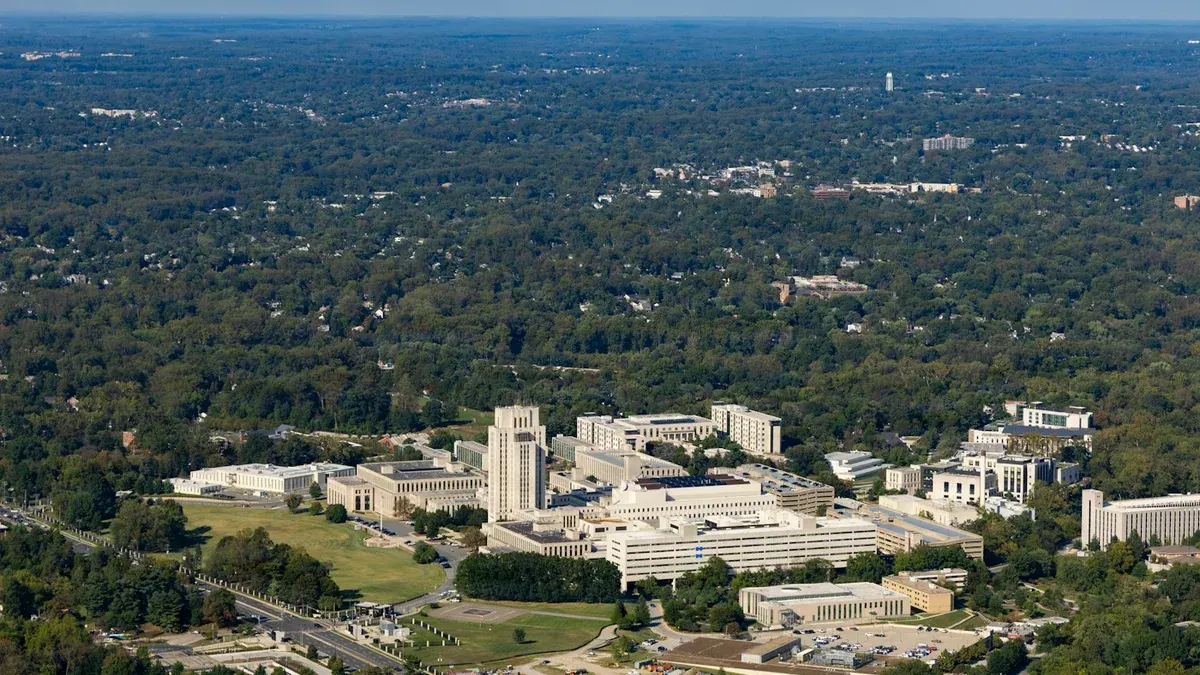
Healthcare campuses need a more careful aerial brief than a normal property shoot. The imagery may support architecture documentation, campus expansion, wayfinding, recruitment, an annual report or a public-facing project story, while protecting patients, staff, security and sensitive operations.
Define the healthcare campus documentation purpose
State the buildings, landscape, access routes, expansion area, sustainability feature or institutional story that must be shown. Mark no-film areas, emergency routes, helipads, patient zones, windows, staff areas and any sensitive equipment.
Coordinate with the facility
Nominate a security and communications contact, confirm access times, identify a safe operating area and review weather and visitor conditions. The facility should approve the shot list before capture rather than trying to remove sensitive views after the flight.
Protect patient and healthcare facility privacy
Avoid unnecessary capture of patients, children, vehicle plates, clinical activity and private rooms. Review stills and video before publication, and separate internal documentation from public marketing exports. Read the privacy and consent guide.
Plan healthcare campus media outputs
Request campus establishing stills, architecture details, landscape, construction progress, vertical social edits, a recruitment film or a presentation package as appropriate. Do not imply that a planned building or service is already complete.
Start with a patient-safe purpose
A hospital may want to show the main entrance for wayfinding, a new building for an annual report, or the wider campus for recruitment. The purpose should be narrow enough to decide what may appear. A wayfinding image needs a clear public approach and current entrance. A recruitment film may need staff-approved ground scenes. A construction update may need repeat views of a work zone. None requires the camera to gather detailed views of patients or clinical activity.
Ask communications, security and facilities to agree on the audience, channels and facts before the shot list is approved. If the site has multiple buildings, use the names visitors see on signs. A patient arriving for an appointment should not be directed by a film to a closed gate or an emergency entrance. The facility team must verify current access and service labels. Aerial context can support directions, but it should sit beside a current map and written guidance.
Protect emergency and clinical operations
The facility should identify ambulance routes, emergency entrances, helipads where applicable, loading, oxygen or power systems, construction zones and times of heavy visitor movement. The pilot checks current airspace, equipment, weather and a safe launch route. The hospital contact can stop the flight if an emergency changes the area. A planned shoot should never block access or distract people handling urgent care.
Choose a quiet window for exterior architecture. If the location is busy throughout the day, use a controlled ground camera or existing approved image for a sensitive view. Do not ask people to wait in an emergency route for a clean frame. A drone may capture an arrival queue or patient transfer unintentionally; the crew should pause and avoid the area, not treat it as background for a lively marketing scene.
Set no-film zones before capture
Mark patient rooms, windows, wards, ambulance bays, children's areas, staff-only routes and neighbouring homes that should be excluded or framed carefully. A high camera can see into places a ground visitor cannot. The facility should approve the capture angle, not rely only on blurring later. Staff and patients are not interchangeable extras. If people are part of a story, use a separate consent and production plan with approved participants.
Review raw originals as well as edited selects. A face, plate, medical transport detail or screen may be visible at full resolution but not on a small preview. Check captions, image metadata and file names before public release. Keep internal construction or facilities imagery in a restricted folder. Marketing should receive only the selected material approved for its purpose. The commercial data-security guide provides a broader access checklist.
Capture a truthful campus sequence
Begin with a wide view that explains the building group and landscape. Then show the public entrance and paths that a visitor may actually use. Use ground images for signage, accessible approaches and the human-scale experience. A roof-level aerial alone cannot show whether a route is wheelchair accessible or open today. If wayfinding is the goal, ask a visitor-services reviewer to walk through the final edit and captions.
For institutional communications, the sequence may show the current campus, a new external building and approved staff activity. Avoid a generic orbit that reveals sensitive back-of-house areas without adding meaning. For a recruitment film, ground footage of people and work culture may matter more than extra aerial minutes. Use the aerial view as a short orientation, then move to the story that the audience came to see.
Treat expansion progress as a separate record
A hospital expansion may happen beside active care. Divide the construction zone into named work fronts and choose repeat viewpoints that do not include patient areas. A dated comparison can show a new roof, facade or access road, but it cannot prove commissioning, clinical readiness or safety acceptance. Those decisions belong to the facility and project professionals. Label a building under construction, and confirm any opening date before publication.
The project team may need detailed internal images, while the public may need only a reviewed wide frame. Keep these outputs separate. Record where cranes, screens or weather blocked the view. If a new wing cannot be filmed without showing a restricted roof or emergency route, use a ground image or an approved graphic instead.
Review claims as carefully as images
A beautiful aerial can create an impression of capacity, location or available services without saying those words. Ask the facility owner to check any on-screen text about departments, beds, sustainability, transport or new openings. A drone cannot verify those facts. If an image includes an ambulance entrance, do not label it as the public entry. If a building is planned, do not edit it next to an operating department in a way that makes the whole service look active.
Set a review chain: facilities checks routes and assets, security checks exposure, privacy or patient services checks people, and communications checks language. Keep the approved export and caption together. If the campus changes an entrance or service, the media team should know which images need replacing.
Example: a new outpatient building
Suppose a Bangalore hospital wants to show a newly built outpatient block while construction continues on the adjacent car park. The hospital supplies a current site plan, marks patient and emergency zones, and schedules a quiet capture window. The pilot captures a wide campus locator and approved views of the new block. A ground camera shows the public entrance and clear signage. The aerial frame also shows the unfinished car park, so the public caption does not imply that parking is open.
Security reviews the full-resolution selects, and visitor services verifies the route from the main gate. The final website image is a cropped approved still with a capture date. The internal project team receives a separate progress record of the car park. One visit has served two needs without making patients or sensitive operations part of the marketing story.
A useful hospital brief
Provide exact building names, the decision or story, current public routes, site contacts, approved capture window, no-film zones, operating constraints and intended channels. Ask for a safe flight plan, ground alternatives, file-access rules and the people who will review facts before publication. A good healthcare aerial project helps viewers understand the campus while keeping patient care and privacy at the centre of the planning.
FAQs
Can hospitals use aerial photographs on their website?
Yes, when the facility approves the capture and publication, privacy is protected and the imagery accurately represents the current campus.
Can an active hospital remain operational during a shoot?
Potentially, but the facility’s safety, security, privacy and access plan must control the operation. A different time or ground-based approach may be safer.
Can construction progress be documented on a healthcare campus?
Yes, subject to site safety, approved viewpoints, privacy controls and current flight feasibility.
Plan your project
Share your site, dates and intended output so we can confirm a suitable scope.
Aerial Imaging & Cinematics · Compare project scope · Get in touch
Related reading
- Campus Drone Photography in Bangalore: Corporate, School & Institutional Sites
- Co-Working and Corporate Campus Drone Photography in Bangalore
- School and College Campus Drone Photography in India: Planning Guide
- Drone Property and Insurance-Claim Documentation in India: Practical Guide
- Retail and Mall Drone Photography in Bangalore: Marketing and Documentation Guide
- Golf Course and Resort Drone Photography in Bangalore: Aerial Content Guide
Contact SkyViews Aerial Drone Studio at +91 90190 56479 or skyviewsdronestudio@gmail.com. Service area: Bangalore, Karnataka and India and wider Bangalore, Karnataka and India.