Sports Event Drone Photography and Video in Bangalore: Planning Guide
How sports organisers, academies and brands can plan safe aerial coverage for grounds, races, tournaments, launches and action highlights.
By SkyViews Aerial Drone Studio
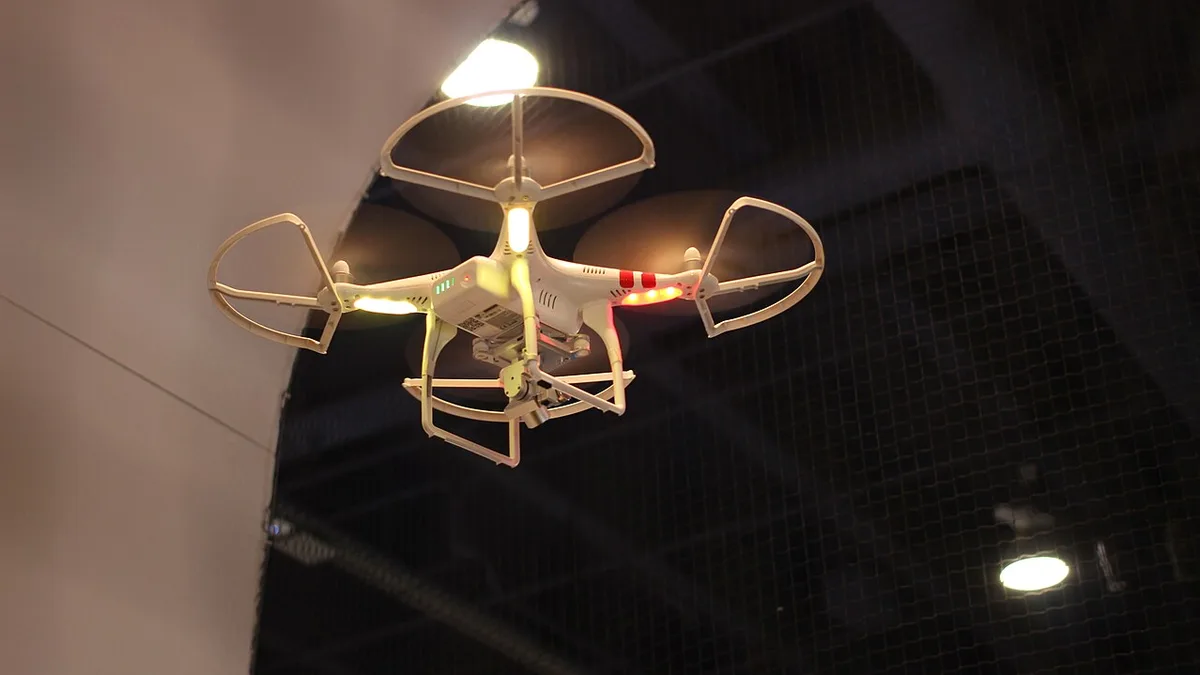
Sports aerial coverage is a production and safety brief, not simply a request to fly over the action. The organiser needs to define the venue, movement, audience, broadcast or social use and safe operating boundaries before the team builds a shot list.
Start with the event map
Share the ground plan, track or course, spectator areas, player access, lighting, temporary structures, timing, media zones and emergency arrangements. Mark areas where the aircraft must not operate and nominate an organiser who can coordinate with officials.
Choose the visual purpose
Decide whether the priority is an establishing film, team content, sponsor visibility, venue marketing, race-route context, short social edits or live coverage. A wide venue reveal, a repeatable start-line view and a fast action sequence need different planning and equipment.
Keep the action and aircraft separated
Do not assume a lightweight drone is automatically suitable around athletes or spectators. The pilot must assess the current requirements, aircraft, venue, weather, people separation and communication plan. A ground camera or elevated fixed viewpoint may be the safer choice for close action.
Plan deliverables and rights
Specify master film, vertical cutdowns, stills, sponsor versions, captions, music, raw footage and delivery deadline. Confirm who may publish images of athletes, minors, sponsors, venues and bystanders. Use the privacy guide and deliverables guide.
Decide which sports story needs an aerial view
The main purpose might be to show a ground's layout, the scale of a tournament, the route of a race or the setting of a training academy. Write that purpose before asking for close action footage. A drone is often strongest at context: where the field sits, how a course turns or how a venue welcomes people. A ground camera with a suitable lens may be better for a goal, finish-line reaction or coach's instruction.
Ask the organiser to rank the shots. Which view is essential to the event film, which is useful for social media, and which is optional? If the event is fast-moving, plan a small number of controlled aerial windows rather than expecting the pilot to chase every play. The editing plan should still work if wind, crowd movement or airspace conditions remove one aerial opportunity.
Walk the venue and the timing
Give the crew a current plan showing playing areas, tracks, spectator zones, entrances, medical access, lighting towers, screens, camera positions and temporary structures. Mark where athletes warm up and where officials move. A football ground before gates open is different from the same ground during a final. For a road race, include the start and finish, route crossings, traffic controls and locations where spectators gather.
At a walkthrough, identify a controlled launch and recovery area, a safe place for the crew and the person who can answer venue questions. Check whether an elevated ground camera can cover some shots. For a multi-venue event, treat each location as a separate flight and access problem. A single site approval or airspace check should not be stretched across an entire route without review.
Coordinate with officials before the event
The production lead, pilot, venue manager and sporting officials should agree on flight windows and the words used to pause a flight. Officials may need uninterrupted sight lines and communications. Athletes should not be surprised by noise or a moving aircraft during a critical moment. If the event has a broadcaster, ask about camera positions, live feeds, sponsors and who controls the official signal.
Keep aircraft and people separated according to the site-specific plan. Do not assume a small drone is safe over players or spectators. The pilot must assess the aircraft, current rules, live airspace, weather, obstructions and ground movement. The flight permission checklist helps collect the location details. The organiser's desire for a shot does not replace the pilot's go or no-go decision.
Plan different approaches for different sports
For a field tournament, an aerial establishing view before play may explain the ground and surrounding area. Selected wide moments can show formations or event scale if the operating plan permits. Ground cameras should handle close play and reactions. For a running or cycling event, a route overview can orient viewers, but following athletes along public roads adds changing traffic, crowd and location risks. Use pre-recorded route context or fixed positions when continuous tracking is not feasible.
For a training academy, a quiet practice session may allow repeatable views of layout or drills under controlled conditions. Ask the coaches which movements matter and whether the camera could distract participants. For an indoor arena, assess the structure, rigging, people, lighting and venue rules separately; ordinary outdoor assumptions do not fit. A fixed elevated camera may give a clearer, simpler result.
FPV footage can feel exciting, but it is a specialist operation. Agree the route, obstacles, rehearsal, crew roles and controlled area before considering it. A fast moving camera should never be used as a shortcut to get close to athletes or guests. If the planned path cannot be made predictable, choose another shot.
Protect athletes and young participants
Confirm who owns event media rights and who can approve filming and publication. League, venue, team, sponsor and broadcaster agreements may overlap. A school or youth competition also raises consent and safeguarding questions. Avoid revealing children's names, routes or other details without the proper review. If a parent or participant objects to appearing in public material, the editor may need to select a different angle or omit the shot.
Captions need checking as carefully as images. Do not label a warm-up as a match-winning play or mix footage from different dates into one apparently continuous event without a clear reason. If a sponsor asks for a separate edit, check that product placement and athlete appearances are covered by the agreed rights.
Capture for the screens that will use it
A live venue screen, a highlight film and a vertical reel need different framing. A very wide aerial may show the full course but make an athlete too small on a phone. Ask for a set of wide context shots, closer ground action, stills and short clean moments that can be edited. If social clips must be posted during the event, assign an editor, transfer point and approver ahead of time.
State the final file list. It may include a landscape highlight, several vertical clips, sponsor-safe stills, a silent screen loop and an archive of approved source media. Add aspect ratios, caption language, delivery times and review rounds. A vague promise of “full event coverage” can hide a mismatch between what the camera can safely capture and what the media team expects.
Handle weather and delays without pressuring the pilot
Outdoor sports often continue in weather that is unsuitable for a drone. Write a backup plan for rain, gusts, low light or a change to the match schedule. The ground crew can keep filming while the aerial team waits or stands down. If a final runs late, reassess light, venue access and people movement before extending a planned flight window.
Tell the editor which aerial scenes are optional. A good sports film should not collapse because one planned flyover was cancelled. The score, athlete effort and atmosphere can still be shown through ground footage, sound and accurate captions.
Example: a Bangalore academy tournament
Imagine an academy holding a weekend tournament. The organiser wants a venue opening, team arrivals and a short recap. The pilot receives the ground map, expected attendance, schedule and a controlled setup point. The production team captures an aerial venue view before spectators enter, then ground cameras cover the matches and awards. Any later aerial window is used only if the agreed area and conditions remain suitable.
The editor makes a short film that starts with the academy setting, shows real play, names teams correctly and ends with the result. A separate vertical clip is framed for phone viewing. The organiser checks children, sponsor marks and match facts before publishing. The aerial view has a clear job, while the event remains safe and understandable without constant drone coverage.
FAQs
Can a drone film a race or tournament?
It may be possible after a site-specific feasibility, safety and compliance review. The event type and crowd layout determine the operating plan.
Can FPV be used for sports content?
FPV can be considered for controlled, rehearsed sequences with the right crew and separation. It should not be treated as a shortcut around safety planning.
Can sports footage be delivered for social media?
Yes. Request vertical framing and platform-specific edits before the shoot so the action remains usable after cropping.
Plan your project
Share your site, dates and intended output so we can confirm a suitable scope.
Sports & Action Coverage · Compare project scope · Get in touch
Related reading
- Adventure Sports and Outdoor Tourism Drone Video in India
- Stadium and Sports-Facility Drone Photography in Bangalore
- Wedding Drone Photography & Aerial Video Guide Bangalore
- Tourism Destination Drone Content in Karnataka: Film and Photography Guide
- Agriculture Drone Mapping for Farms and Estates in Karnataka: Practical Guide
- Government Drone Project Brief for Karnataka: Procurement and Deliverables Guide
Contact SkyViews Aerial Drone Studio at +91 90190 56479 or skyviewsdronestudio@gmail.com. Service area: Bangalore, Karnataka and India and wider Bangalore, Karnataka and India.