Commercial Drone Pre-Flight Checklist for Bangalore Clients
A client-side checklist covering site details, access, safety, permissions, shot lists, weather and deliverables before a commercial drone shoot.
By SkyViews Aerial Drone Studio
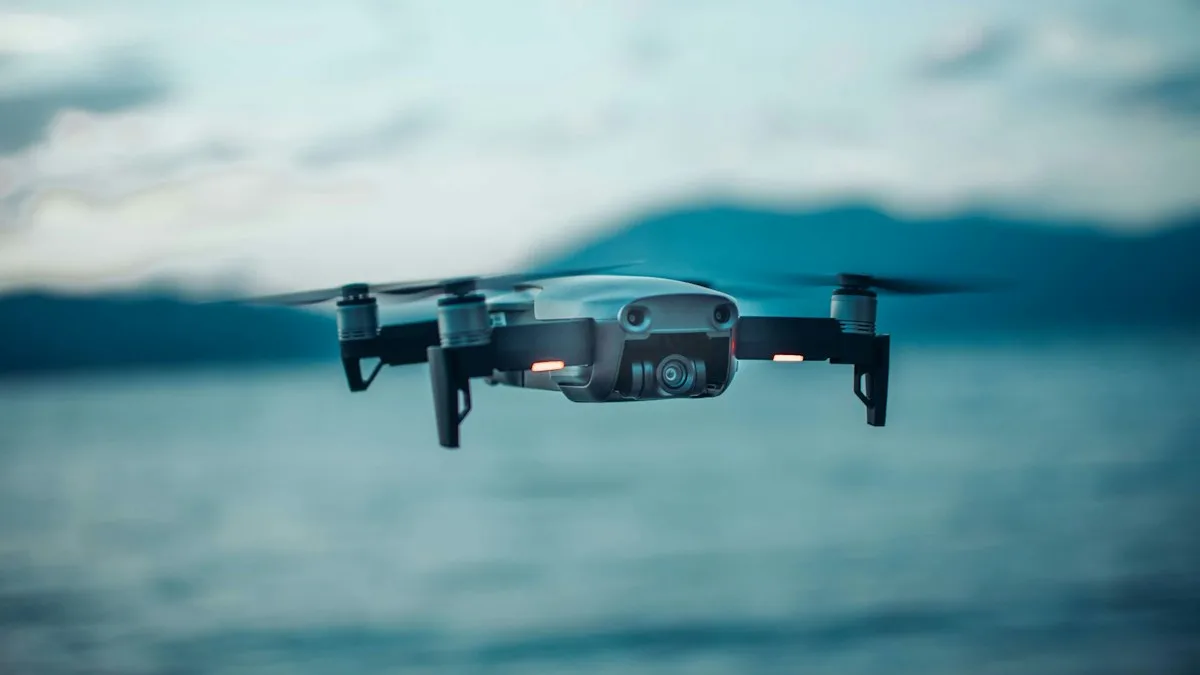
A smooth drone project begins before the crew arrives. Clients do not need to operate the aircraft, but they do need to provide accurate site and production information so the pilot can assess feasibility and plan the right equipment.
Location and access
Send the exact map pin, site boundary, entry instructions, security contact, take-off constraints and nearby buildings, roads, airports or sensitive areas. A broad locality name is not enough for a flight assessment.
Purpose and shot list
State whether the goal is property marketing, construction progress, inspection support, mapping, event coverage, a brand film or social content. List must-have views, no-film areas, people or assets that must not appear, preferred light and final formats.
Site safety
Identify cranes, cables, active machinery, traffic, crowds, water, roof access, restricted zones and emergency contacts. Nominate one person who can communicate with the pilot during the shoot. The client should never pressure a pilot to fly through an unsafe window.
Compliance, weather and handover
Share site-owner approval and security rules early. Give the preferred flight window and a backup option. Confirm whether you need edited stills, a master film, vertical cutdowns, raw or log files, report pages, maps or a presentation package. Read the weather guide and deliverables guide before locking the brief.
Send one useful location pack
Give the producer the exact map pin, site boundary, correct gate, contact number and a recent site plan or ground photograph. A locality name such as “Whitefield” does not tell the pilot whether the location is near a restricted area, a road, a crowd or a safe launch space. Mark the building or land parcel that is actually part of the job. If the property has several entrances, say which one the crew can use and what identification security will require.
Note nearby features that may affect the plan: tall buildings, powerlines, trees, cranes, water, public roads and sensitive neighbours. You do not need to decide the flight route yourself. Accurate information lets the pilot assess feasibility and ask the right follow-up questions. If the site plan is old, say so; the crew should confirm current conditions before take-off.
Tell the crew what the image must achieve
List the audience and decision first. A buyer may need to see the approach and building setting. A project manager may need the same repeat view used last month. A facilities team may need a clear roof or facade image for an engineer. Choose three to five essential shots and label the rest optional. Give a reference image only to explain the desired result, not as a guarantee that the same flight path is possible at this site.
State final formats before capture. A wide website film, portrait social reel, high-resolution still and measured map have different shot and processing needs. If you need a survey, send the coordinate system, accuracy requirement and receiving team's file specification. A promotional video is not a substitute for those details. The deliverables guide helps clients describe the files they want.
Name one on-site decision maker
The crew needs a person who can open the site, explain current work, identify no-film areas and pause activity if necessary. That person should know how to reach security, facilities or event management. A remote marketing approver may still need to confirm captions later, but the pilot needs a live site contact during the operation. Give an alternate number in case the first person is unavailable.
Tell the contact about deliveries, crane lifts, school or hospital activity, guest arrival, public events and any other moving operation. A flight window that looks empty on a calendar may be busy on the ground. If the client cannot control the area, the producer can plan a wider view, a different time or a ground camera. Do not assume that a property owner's general approval solves all people, privacy or airspace questions.
Mark no-film areas and people rules
Identify private windows, balconies, patients, children, staff-only zones, security systems, confidential processes and neighbouring property before the crew arrives. Discuss whether identifiable people are needed in the final story. If they are, arrange the appropriate site and participant process. If they are not, choose a quiet window and views that avoid them. A later blur may help in some cases, but it is easier to capture less sensitive material from the start.
Give the editor a separate publication reviewer. An internal inspection image may be suitable for maintenance but not for a public case study. A client should approve the final images and captions for the intended channel. The privacy and consent guide covers that review in more detail.
Prepare for a change of weather or site conditions
Ask what conditions would stop the flight and what alternatives are acceptable. Wind, rain, visibility, airspace, people and active work can change the go/no-go decision. Set a backup date if the deadline depends on aerial footage. Decide whether ground scenes, approved archive imagery or a shorter edit can still meet the brief. Do not pressure the pilot to fly because guests, executives or a crew have already arrived.
For repeat progress work, a safe view from a slightly different position may be possible, but the report should record that change. For a cinematic film, a different light window may change the look. Put these trade-offs in the scope so the team can make a quick, informed decision on site.
Check the handover terms before filming
Ask when selected images, edited files and reports will be delivered; who reviews them; how many revision rounds are included; and whether originals or project files are part of the package. State intended usage: internal report, website, social, paid advertising or a third-party presentation. If a technical report is needed, define its evidence fields and limits. A folder of unlabelled camera files is not the same as an inspection or survey deliverable.
Agree on transfer, access and retention for sensitive media. A factory or data-centre roof view may need a restricted recipient list. A wedding film may contain identifiable guests. Put those rules in the brief so the crew and editor know how to handle the files after the flight, not only while filming.
Example: a Bangalore office-campus shoot
Suppose a company wants aerial stills of its office campus and a short recruitment video. It sends the exact gate, site plan and security contact. The must-have shots are arrival, building exterior and landscaped courtyard. The no-film list includes a neighbouring residence, roof equipment and staff parking plates. The crew plans a quiet morning window and a ground-camera interview later. A delivery truck blocks the entrance when the crew arrives, so the pilot captures the courtyard first and returns to the entrance when the route is clear.
At the preview, the client notices that one view shows a planned wing as if it were finished. The team removes that shot from the public film and keeps a dated progress image internally. The final handover lists website stills, one horizontal film and a portrait reel, each with an approval contact. The preparation gave the crew enough information to adapt without changing the purpose of the work.
The checklist to send with an enquiry
Send the exact location and boundary, site contact, purpose, essential shots, current property status, no-film areas, preferred window and backup, people or vehicle constraints, required formats and approval contact. Add any survey or inspection specification separately. The pilot can then assess current rules and site feasibility; the producer can quote the actual deliverables. A clear client pack saves time because it turns a vague “drone shoot” into a plan that can be checked before anyone travels.
FAQs
Does the client need to prepare a take-off area?
The pilot decides suitability, but a clear controlled area and site contact make planning safer and more efficient.
Can the client change the shot list on the day?
Small changes may be possible, but major changes can affect safety, time, equipment and deliverables. Agree priorities before the flight.
What information should be sent first?
Send the exact location, purpose, preferred date, site contact, deliverables and known restrictions.
Plan your project
Share your site, dates and intended output so we can confirm a suitable scope.
Explore drone services · Compare project scope · Get in touch
Related reading
- Drone Flight Permission Planning Checklist for India: Verify Before Booking
- Drone Insurance & Liability for Commercial Shoots in India
- Airspace Mapping, Geofencing & DJI Dilemma in India
- Drone Photography Privacy and Consent in India: Client Planning Guide
- Event Drone Shoot Crowd-Safety Planning Guide for Bangalore
- Sports Event Drone Photography and Video in Bangalore: Planning Guide
Contact SkyViews Aerial Drone Studio at +91 90190 56479 or skyviewsdronestudio@gmail.com. Service area: Bangalore, Karnataka and India and wider Bangalore, Karnataka and India.