Drone Shoot Weather and Rescheduling Guide for Bangalore Projects
How clients and production teams should plan weather windows, wind, rain, light, backup dates and safe rescheduling for commercial drone shoots.
By SkyViews Aerial Drone Studio
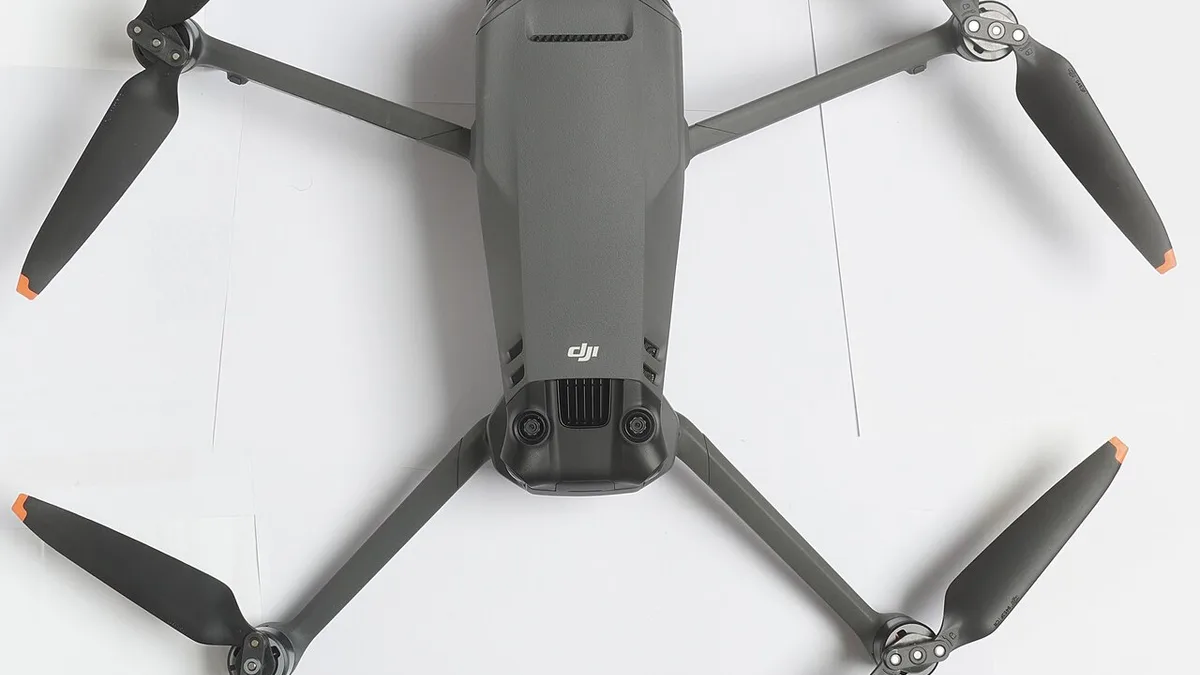
Weather is part of the production plan, not an afterthought. A flight can be technically possible but still unsuitable for the visual brief, site safety or the required consistency. Build a weather decision into the booking so a reschedule is orderly rather than rushed.
What to assess
Review rain risk, wind, gusts, visibility, cloud cover, heat, dust, glare and the desired light. Construction, industrial and event sites may have additional ground restrictions even when the sky looks clear. The pilot and site contact should make the final go/no-go decision using current conditions and equipment limits.
Choose a primary and backup window
Give the team a preferred date, one or two backup dates and a decision deadline. For a sunrise or sunset shoot, protect the light window with realistic access and setup time. For recurring construction imagery, define whether the next available safe day or the next scheduled reporting cycle is the priority.
Communicate early
The client should know who checks the forecast, when the decision is made, what happens to crew and location bookings, and whether travel or cancellation costs apply. A clear written policy prevents both sides from treating unsafe pressure as a production requirement.
Protect the brief when conditions change
If the weather changes, do not quietly replace a requested aerial sequence with a materially different result. Offer options: reschedule, capture only safe ground material, change the visual objective, or complete a smaller approved portion of the brief.
Avoid promises that weather cannot support
No responsible production team can guarantee a particular sky, light, wind level or flight date. Quote the intended production window and the agreed rescheduling terms instead. For urgent requirements, read the same-day booking guide.
Decide what conditions the project needs
Begin with the purpose of the shoot. A property campaign may need blue sky and warm light. An inspection may need visibility and enough detail to see a surface. A thermal job may require a specific operating and weather window. A construction record may benefit from comparable light and a clear view after rain. Write the conditions that matter for the output rather than asking for “good weather” in general.
Separate safety limits from visual preferences. A cloudy day may produce usable, soft light, while wind or rain may make flying unsuitable. A bright midday sky may be safe but unattractive for a hotel film. The pilot decides whether the aircraft can operate safely within its limits. The client and producer decide whether safe footage would still meet the visual brief. Both decisions matter, and either can lead to rescheduling.
Use forecast windows, not a single app icon
Check forecasts before travel, but expect local conditions to differ at the site. Tall buildings, open rooftops, hills and large industrial structures can change wind near the flight area. Gusts may matter more than an average wind number. Rain risk, haze, dust and visibility can change during a short shoot. Ask the pilot what information it uses and when the on-site decision will be made. Avoid publishing a universal wind threshold; aircraft, payload and site risks differ.
For sunrise or sunset work, calculate the real setup and access time. A crew that reaches the gate at sunrise may miss the best light while completing induction and safety checks. Protect a wider working window and prepare a second date. A weather app cannot guarantee a particular colour of sky or sunset.
Put a weather call in the booking plan
Name who reviews the forecast, when the first update is sent, the latest time a travel decision can be made and who tells the venue or site contact. A simple sequence may be a preliminary review a day before, a morning update and a final on-site decision. Those are planning checkpoints, not a promise that the weather will remain stable.
Define the options at each point. The crew may proceed, shift the start time, capture safe ground material, move to a backup date or cancel the aerial portion. If the client has booked actors, vehicles or a public event, tell those teams early. Good communication reduces cost and pressure on the pilot.
Write fair rescheduling terms
The quote should say how many backup dates are held, when a change must be announced, whether travel or crew standby is charged, and whether a postponed visit expires. A recurring project should state whether an unsafe month is captured in the next safe window or skipped with a note. A wedding or one-day event may need a ground-camera fallback because the date cannot move.
Keep a distinction between weather that prevents safe flight and a client's preference for a different look. The contract can handle them differently. A day with flat light might still be suitable for a technical record but not a sunlit advertising film. The brief should make that decision rule visible before the crew arrives.
Protect technical comparisons
For repeat construction, environmental or inspection imagery, record the actual date, weather, light and site condition. A wet surface can look darker; changing shadows may hide features. A comparison image captured after heavy rain may not be directly comparable with one taken during a dry month. Add a note rather than claiming every visual difference is a site change.
For mapping, weather can affect image clarity, surface visibility and the ability to place or observe control. For thermal work, sun, wind, cloud and asset operating conditions influence interpretation. The specialist should set an appropriate capture window and report what conditions occurred. A rushed flight that produces unusable technical data does not satisfy the job merely because the aircraft got airborne.
Plan a smaller safe output if the deadline is fixed
A client may need something for an evening meeting even when the full shoot cannot happen. Agree which parts can be delivered without compromising safety or accuracy: previously approved footage, ground stills, a weather-labelled visual update or a short note explaining why the technical survey moved. Do not replace a current site image with old footage without a date label. Do not call a preliminary visual observation a finished inspection or map.
If only part of a site is safely captured, list the areas completed and missed. The client can use the partial record with those limits or schedule the remaining areas later. Silent omissions are more damaging than an honest weather note.
Example: a Bangalore construction update
Imagine a developer ordering monthly aerial progress photos. The preferred date has rain and gusts. The crew sends an early update, moves the visit to the agreed backup window and tells the site manager. At the later visit, the pilot confirms current conditions and captures the planned fixed viewpoints. The report uses the actual date and notes that the interval since the previous visit is longer than usual.
The developer still receives a useful comparison, but no one is asked to fly because the investor meeting was already scheduled. If the backup window had also failed, the team could have sent a ground update and a note about the missing aerial record.
Example: a resort campaign
A resort wants a sunny arrival film. The forecast is safe but overcast. The producer and client decide that flat light will not serve the campaign, even though the aircraft may be able to fly. They use the agreed creative reschedule and keep the ground team for indoor scenes. This is different from a safety no-go; the contract should have made both possibilities clear.
A short weather checklist
Before confirming a date, write the must-have light or visibility, safety decision owner, forecast review times, backup dates, communication contacts and cost rules. Before take-off, check actual conditions, site activity and current flight feasibility. After a changed plan, record what was captured, what was postponed and the new delivery date. That keeps a weather change from becoming a disagreement about the promised result.
FAQs
Can a drone fly in light rain?
The answer depends on equipment, conditions, site risk and the pilot's operating limits. Rain should never be assumed safe because it appears light.
How many backup dates should a client provide?
At least one realistic backup is useful; multi-day or recurring projects benefit from a broader window agreed with the production team.
Does cloudy weather always ruin aerial footage?
No. Cloud can create soft light, but the result depends on the creative brief, visibility, wind, rain risk and the look the client wants.
Plan your project
Share your site, dates and intended output so we can confirm a suitable scope.
Explore drone services · Compare project scope · Get in touch
Related reading
- Commercial Drone Shoot Call Sheet: What to Include Before Crew Arrival
- Commercial Drone Shoot Contract Checklist for India Clients
- Drone Media Archive, Backup and Delivery Workflow for Commercial Projects
- Drone Video Deliverables Explained: 4K, Vertical, RAW, Log and Edited Files
- Commercial Drone Pre-Flight Checklist for Bangalore Clients
- Drone Photography Privacy and Consent in India: Client Planning Guide
Contact SkyViews Aerial Drone Studio at +91 90190 56479 or skyviewsdronestudio@gmail.com. Service area: Bangalore, Karnataka and India and wider Bangalore, Karnataka and India.