Drone vs Helicopter Aerial Filming in India: Production Comparison
Compare drones and helicopters for commercial aerial filming by scale, access, camera movement, safety, cost, permissions and production control.
By SkyViews Aerial Drone Studio
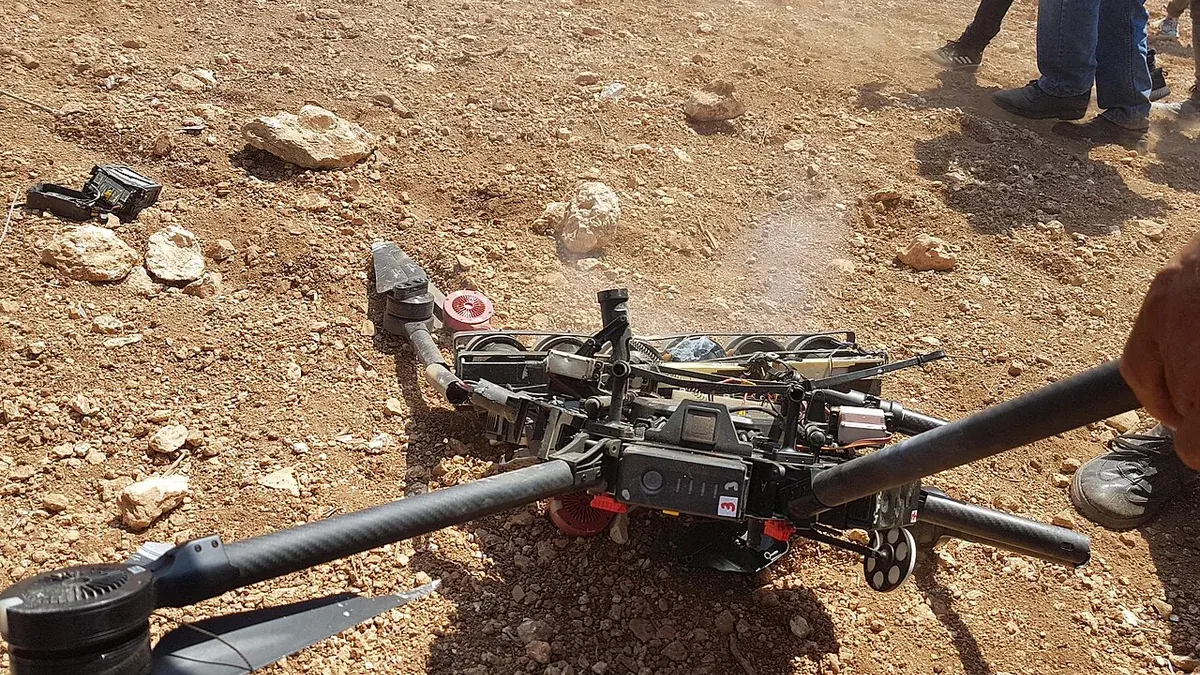
Drones and helicopters solve different production problems. A drone can provide controlled, lower-altitude movement and repeatable local coverage, while a helicopter can carry people and larger camera systems and cover broader distances. The right choice depends on the story, location, aircraft, camera, risk, schedule and budget.
When a drone fits
Drones can be useful for property, construction, infrastructure, venues, events, landscapes and close cinematic movement where access, people separation, weather and current flight feasibility support the operation. They are often easier to deploy for focused local shots, but they still need professional planning.
When a helicopter fits
A helicopter may suit large-area geography, long-distance tracking, high-end camera payloads, people transport or productions that require a manned aviation platform. It brings its own aviation, landing, route, noise, cost, safety and authority requirements.
Compare the creative result
Ask whether the brief needs a reveal, orbit, tracking move, wide landscape, live camera, people close-up, repeatable viewpoint or very large-scale context. Use ground, crane, gimbal or helicopter footage where those methods produce a better result.
Plan the commercial terms
Compare camera, crew, travel, fuel or flight time, permissions, insurance, weather, rescheduling, usage, raw media, post-production and safety. A headline price is not meaningful unless the scope is the same.
Describe the shot before choosing the aircraft
Start with what the audience must see. Is the shot a reveal of a building, a move along a road, a broad view of a region, or a long track of a moving vehicle? State the subject, start and end of the move, desired height and distance, camera look, time of day and how the shot fits the edit. A drone and helicopter may both produce an aerial view, but not the same movement or scale. If the story only needs one high establishing image, an existing licensed aerial image or a ground-based camera may meet it better than either new flight.
Ask the director or client to rank the shots. Which is essential? Which can change if weather or access limits the plan? A production team can then test each platform against the actual location. A low reveal close to a property may suit a drone when the site permits it. A long sequence across many kilometres may call for a helicopter or another method. There is no general rule that one platform is always the better creative choice.
Compare movement and camera needs
Drones can repeat a local move with a small crew, but their camera payload, endurance and safe operating space depend on the aircraft. A helicopter can carry different stabilised camera systems and cover greater distances, while its path, noise and operating needs differ. The production team should choose a camera package and aircraft together. A high-end lens request that cannot be carried by the chosen drone changes the plan. The same is true if a helicopter cannot safely or practically follow the low path imagined in a storyboard.
Decide whether the edit needs stills, live video, high-frame-rate footage, vertical crops, RAW material or a long continuous take. These affect camera and platform selection. Ask for sample footage from the proposed equipment, not just a showreel with unknown aircraft and conditions. A scenic clip filmed in another country does not prove that the move is feasible over the client's Indian site.
Check the location and people separately
For a drone, the pilot needs current airspace and site feasibility, a safe launch and recovery point, weather, people separation and a route that avoids obstacles. For a helicopter, the aviation operator needs its own flight, route, landing or operating arrangements and authority coordination. A property owner's invitation to film does not settle either set of aviation questions. Get the exact coordinates and proposed window early so both options can be assessed honestly.
People and sound matter to the creative result. A helicopter may be heard in a live scene or affect an event. A drone may also distract people or create a safety issue close to a crowd. Aerial capture over or near people needs a specific plan, not a casual assumption based on aircraft size. If the shot depends on guests acting naturally at a venue, consider filming ground activity separately and using an approved aerial establishing view when the area is quiet.
Compare total production scope, not flight minutes
A useful quote should include scouting, crew, aircraft, camera, travel, site coordination, permissions, insurance, standby, weather terms, editing, file formats and usage rights. A helicopter flight may be only part of a larger camera production; a drone day may require several safe positions and more post-production. A cheap-looking flight line can become costly if it excludes the footage the editor needs. Ask both providers to quote the same shot list and delivery requirements.
Do not assume that a drone is always cheaper. A remote location, specialist camera, complex approvals or multiple rescheduled dates can change its cost. Do not assume a helicopter is automatically too expensive for a large, long-distance brief. The right comparison is cost per usable shot and the risk of not getting the key scene. Put the fallback in writing: alternate date, ground shot, stock image or changed edit.
Plan a realistic schedule
Both platforms depend on weather and operational windows. A drone may need several local setups; a helicopter may need a coordinated flight route and camera rehearsal. Time for site access, safety briefing and review should be included. If the story needs sunrise, decide what can be captured in that short light window and what can be done later. Do not promise ten complex moves in a single few-minute golden-light period.
Keep a shot priority list on the day. Capture the essential geography first if conditions allow. Review quickly for framing and continuity, then move to optional angles. A production that needs matching light across several sites may require more than one day. Record the capture time for each scene so the editor does not combine visibly different conditions without thought.
Use a mixed camera plan when it serves the story
A property film might use a drone for approach and roof context, a ground camera for people and interiors, and a crane or elevated camera for a controlled facade move. A regional tourism film may use a helicopter for broad geography and drones for approved local details. Combining methods is not a compromise if each view answers a different question. The edit should make the scale change feel natural and avoid suggesting that a distant region and one property's facilities are the same place.
Check colour, frame rate and aspect ratio across camera systems before the shoot. The post-production team should know whether footage needs to match in one sequence. A mixed plan also needs clear media naming and rights so the editor can trace each scene. If stock footage is used, verify its location, date and licence before presenting it as current imagery of the project.
Example: a new industrial park film
Suppose a client wants to show the park's approach, building scale and relation to a regional highway. The essential story is local arrival and current facilities. A drone can capture approved site and approach views if flight feasibility allows. Ground footage shows loading areas and tenants with permission. A helicopter might add a long geographic link, but the client decides that a map graphic answers that question more clearly. The final film uses the drone for the local reveal and spends the remaining budget on ground detail and a clear edit.
On another project, a film tracks a vehicle over a long rural route with wide landscape context. The production may find that a helicopter and stabilised camera are more suitable for the continuous distance, with a drone used for a controlled start or finish. The choice follows the required shot and the approved plan. It is not a judgement that one aircraft is inherently more cinematic.
A brief that lets both providers answer fairly
Send the location, storyboard or reference frames, essential moves, target audience, channels, delivery formats, preferred dates and budget range if available. Ask each provider to explain feasible shots, access and aviation assumptions, crew and camera, safety plan, weather alternatives, post-production and usage rights. Compare what will actually be delivered. The commercial shoot planning guide can help turn the idea into a practical brief before choosing a platform.
FAQs
Are drones always cheaper than helicopters?
Not automatically. Cost depends on scope, crew, equipment, travel, approvals, weather, insurance, duration and deliverables.
Can a drone match helicopter footage?
Sometimes for a particular visual, but the aircraft, camera, movement, height, scale and production conditions are different.
Which option is safer?
Safety depends on the planned operation, people, equipment, weather, site, crew and applicable aviation controls. No platform is automatically safe without a real assessment.
Plan your project
Share your site, dates and intended output so we can confirm a suitable scope.
Film, TV & OTT Production · Compare project scope · Get in touch
Related reading
- Drone Video Post-Production in Bangalore: Editing, Colour and Delivery Guide
- Film, TV & Advertising Drone Production in Bangalore: Pre-Production Guide
- Startup Brand Film with Drone Video in Bangalore: Brief and Production Guide
- What to Expect on a Commercial Drone Shoot Day in India
- Commercial Drone Data Security in India: Client Planning Guide
- Drone Mapping File Formats Explained: Orthomosaics, DSM, DTM, LAS and CAD
Contact SkyViews Aerial Drone Studio at +91 90190 56479 or skyviewsdronestudio@gmail.com. Service area: Bangalore, Karnataka and India and wider Bangalore, Karnataka and India.