What to Expect on a Commercial Drone Shoot Day in India
A client-friendly walkthrough of arrival, site briefing, safety checks, capture, review, weather decisions and media handover.
By SkyViews Aerial Drone Studio
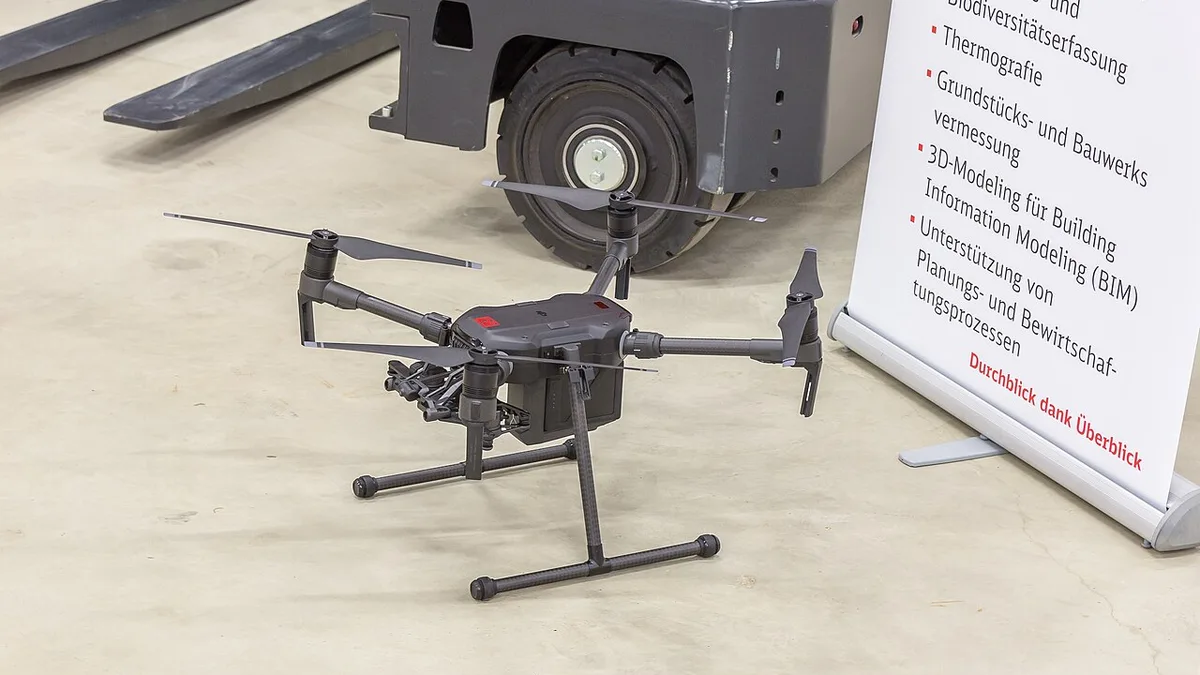
Clients do not need to operate the drone, but knowing what happens on shoot day helps the team protect the brief and make good decisions. A professional day usually includes site coordination, safety checks, capture planning, review and a clear wrap-up—not just immediate take-off.
Arrival and briefing
The crew confirms the map pin, access, site contact, weather, equipment, shot list, no-film areas, people, vehicles, hazards and preferred light. The site representative should explain any local safety or security rule.
Pre-flight and go/no-go
The pilot checks aircraft, batteries, payload, communications, take-off and recovery, airspace or current official workflow, weather and site conditions. The final go/no-go decision may change if wind, rain, access, people or operations change.
Capture and client review
The crew works through priority shots and may review selected media on site. Clients should raise missing must-have views early; major new shots can affect time, risk, equipment and post-production.
Wrap-up and delivery
Confirm what was captured, what was excluded, next steps, file transfer, edit brief, review contact, usage and archive. Raw media, edited exports, maps and reports are different deliverables and should be listed separately.
Prepare the day before the crew arrives
Send the exact map pin, gate and contact number, not only a property name. Share the site plan, priority shots, no-film areas, operating hours and any visitor or vehicle movement that could change the flight. Decide who can approve access and who can answer questions about the property's current status. A client can save time by clearing the shooting area, confirming that relevant doors and lights can be used, and having a backup for a key person who may be unavailable.
Rank shots as essential, useful and optional. If weather or a site rule shortens the window, the crew should know which image matters most. A property client may prioritise the entrance and building context over an extra orbit. A construction client may prioritise repeat viewpoints with date and zone labels. Ask for vertical and widescreen versions before capture so the operator frames for both. A crop after the fact may lose the subject.
Start with a short site walk
The pilot and site contact should walk the planned launch area, check people and vehicles, identify cables, trees, roof edges or cranes, and confirm where the crew can stand. The client explains what is happening on site today, not what was on last month's plan. A new security barrier or event tent may change a shot. The pilot checks the current official airspace information and aircraft conditions. The client should not ask the crew to take off before these checks simply because a manager is waiting for footage.
Agree on one communication channel during the flight. The site contact can warn about a truck, guest arrival or operational change. The pilot can call a pause. A client may watch from the safe area and note whether the requested story is being captured, but should avoid giving rapid, conflicting instructions while the aircraft is in the air. A short review between flights is a better time to adjust the shot list.
Understand the go/no-go decision
The pilot may delay or cancel for wind, rain, visibility, people, airspace, site operations or an equipment issue. A clear contract should say what happens next: wait, use a ground camera, change the view or reschedule. The client can decide whether an alternate image still meets the marketing or reporting need. Safety and current feasibility control the flight; a paid booking does not guarantee every proposed angle.
Build a weather buffer for time-sensitive campaigns. Golden light lasts for a short period, and cloud or haze may change the look. If a construction comparison requires the same viewpoint, a safe repeatable view is more valuable than a dramatic substitute angle. Record why a required frame could not be made so the editor and project manager do not mistake a missing shot for an oversight.
Capture in a logical sequence
Most crews begin with wide context while the site is clear, then collect the priority medium and detail views. For a commercial property, the sequence may be approach, entrance, building, grounds and surrounding context. For a project record, it may be whole-site overview, named work fronts and repeat comparison points. If a ground camera is included, schedule interiors or people scenes when those areas are ready. Keep a shot log with file reference, place, date and any special note.
The client should check a few previews for orientation and factual accuracy. Is the right building in frame? Does the view show an open entrance, or an unfinished area that must be labelled? Is the key facade visible? A small on-site correction can prevent a later reshoot. The preview is not a final quality check; the crew still needs to back up and review the full-resolution files.
Handle people and property carefully
Tell the crew where patients, children, guests, residents or private offices may appear. Aerial views can include neighbouring windows or plates even when the main subject is the client site. The site contact should arrange any approved participants and keep others out of controlled shots where possible. If an event cannot be controlled, agree on a different angle or time. The final edit should be reviewed for faces, signs and sensitive details before publication.
Do not stage a space in a way that misleads viewers. A temporary event layout or sample product display can be filmed, but it should be described honestly when that distinction matters. If a new building is still under construction, its film should not imply it is open. The client owns those facts and should approve captions as well as images.
Confirm the handover while everyone is still on site
At wrap-up, ask for a short list of captured essentials and known gaps. Confirm the editor's brief, approval contact, expected first delivery, file formats, number of review rounds and usage channels. A client who needs raw originals should say so in the scope; an edited reel does not automatically include the camera cards. A survey or inspection report is another deliverable with different processing and review. Put those distinctions in the handover note.
The production team should make a safe copy of the media and record file transfer. A client should not rely on a quick phone preview as evidence that all files have been delivered. If the project contains sensitive infrastructure or people, use the agreed access-controlled method. The media archive guide explains the later storage steps.
Example: a new hotel exterior shoot
Suppose a Bangalore hotel needs website stills and two short social edits. The manager sends a site map, current entrance and terrace status, and a list of no-film guest areas. The crew walks the property before sunrise, finds that a delivery truck blocks the arrival view and starts with a safe wide building shot. The truck leaves during the first review. The crew then captures the entrance and a separately framed vertical terrace clip. Ground footage covers lobby and rooms with the manager's approval.
At wrap-up, the manager confirms that the terrace is open but the rooftop bar is not yet operating. The editor avoids a caption that would imply otherwise. A weather-dependent sunset view remains uncollected and is listed as optional. The client receives a clear delivery schedule and knows which assets are included. The day succeeds because priorities and decisions were handled in sequence, not because every possible angle was flown.
A simple client checklist
Before the shoot, provide location, access, site contact, purpose, priority shots, current property facts, no-film zones and required formats. During the visit, be available for a short review and tell the crew promptly if a must-have view is missing. At wrap-up, agree on gaps, edit notes, approvals and transfer. After delivery, review the actual facts in the captions and send one consolidated feedback list. These small steps make the shoot easier to manage and the final content easier to publish.
See the pre-flight checklist and weather guide.
FAQs
Can the client watch the drone flight?
Usually the client can observe from a safe agreed area, but the pilot and site team control the operating zone and communication.
What if the must-have shot is not safe?
The team should explain the dependency and offer a safer alternative or reschedule rather than forcing the operation.
Is editing completed on the shoot day?
Usually not for a full film. Same-day selects or short edits may be scoped separately based on capture, connectivity, approvals and workflow.
Plan your project
Share your site, dates and intended output so we can confirm a suitable scope.
Explore drone services · Compare project scope · Get in touch
Related reading
- Commercial Drone Shoot Call Sheet: What to Include Before Crew Arrival
- Same-Day Drone Shoot in Bangalore: What Can Be Planned Quickly?
- Commercial Drone Shoot Contract Checklist for India Clients
- Commercial Drone Data Security in India: Client Planning Guide
- Drone Mapping File Formats Explained: Orthomosaics, DSM, DTM, LAS and CAD
- Drone Client Approval Checklist: Review Video, Photos and Mapping Before Release
Contact SkyViews Aerial Drone Studio at +91 90190 56479 or skyviewsdronestudio@gmail.com. Service area: Bangalore, Karnataka and India and wider Bangalore, Karnataka and India.