Film, TV & Advertising Drone Production in Bangalore
How directors, agencies and production managers can plan drone cinematography, crew, shot lists, safety, locations, data and delivery.
By SkyViews Aerial Drone Studio
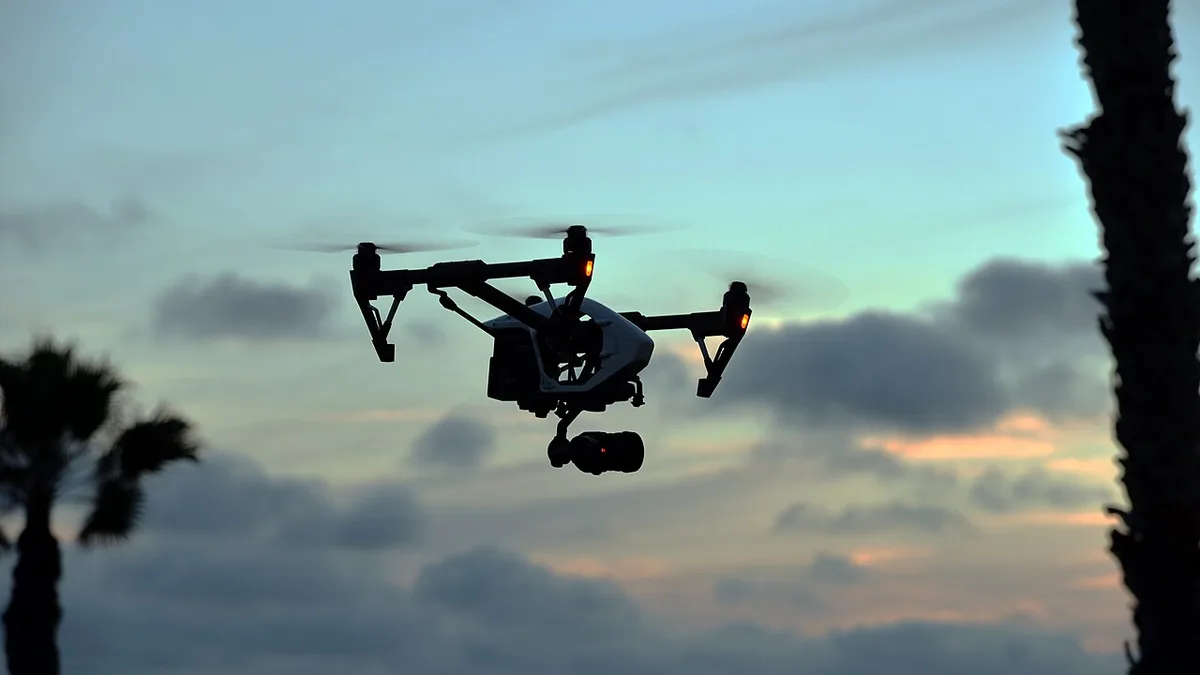
Drone cinematography works best when it enters the production during pre-production. The aerial team can then understand the story, scout the location, plan camera movement, coordinate with the ground unit and identify the permissions and safety decisions that affect the schedule.
Include the aerial team in the shot plan
Share the script, storyboard, reference frames, location, talent or vehicle movement, camera package, lens requirements, aspect ratios, call sheet and delivery schedule. Aerial shots often need a wider operational window than the final edit suggests.
Choose the right platform and crew
A conventional camera drone may suit a stable establishing shot. A cinema multirotor may suit a larger camera package. A ducted FPV platform may suit a controlled indoor or close-proximity move. The pilot, camera operator, visual observer, safety coordinator and production manager should have clear roles.
Scout the location
Record obstacles, power lines, roads, crowds, buildings, trees, light, wind, take-off areas, emergency landing options and nearby sensitive sites. A location that looks open in a reference image may be difficult on the actual production day.
Plan the data handoff
Confirm codec, resolution, frame rate, log profile, timecode, card workflow, proxy files, raw-media handoff, backup, colour pipeline and who approves the on-site material. This prevents aerial footage from becoming unusable in post-production.
Safety and permissions are part of production
The current airspace status and site permissions need to be checked for the actual date and location. The permissions and safety guide explains why a previous flight or a generic location claim cannot guarantee a future operation.
Start with the cut, not the aircraft
Ask the director what the aerial scene must do in the finished film. It might establish geography, reveal a character's destination, follow a controlled vehicle route or connect two scenes. Write the start and end of the shot, what must remain visible and how long the editor needs to hold it. This gives the aerial unit a creative target. “Get a cinematic flyover” is too vague for a call sheet or a safety plan.
Rank each shot as essential, useful or optional. Add a ground, crane or licensed-footage alternative for essential story information. The aerial team can then assess whether the intended movement fits the site and current rules. If one low pass is impossible, the production still has a coherent sequence rather than losing the whole scene.
Bring the aerial unit to the location scout
A reference image may hide a road, wire, school, security area or crowd that changes the proposed path. At a scout, review the launch and recovery area, camera direction, obstacles, people flow, noise, light and emergency options. Record exact map pins and planned operating areas. A city location may need a very different approach from a controlled private set.
Share the scout notes with the location manager and assistant director. If set dressing, cranes, vehicles or temporary structures are added later, the flight plan must be reviewed again. The pilot should not discover a new light tower during the scheduled take. A short re-scout can save more time than a failed rehearsal.
Choreograph people and vehicles safely
When a scene includes a car, actor or group, mark where each person and vehicle starts, moves and stops. Agree signals between the pilot, camera operator, assistant director and ground safety lead. Rehearse without the aircraft where possible. The aircraft should not be used to chase uncontrolled traffic or move close to uninvolved people because the storyboards show a dramatic angle.
Set a clear abort signal. If an extra enters the operating area, a vehicle misses its mark or communication is lost, the crew should know how the take stops. A director can request a different frame, but the pilot makes the flight decision. Time pressure and a large crew are reasons to make this line of authority explicit before the camera rolls.
Choose the platform for the shot and location
A standard camera drone may give a stable, repeatable establishing move. A heavier cinema package can change crew, payload, battery, take-off area and operating risk. FPV can provide a different movement style but needs a controlled route, specialist crew and rehearsal. Do not specify a platform only because it appears in a reference film. Ask the operator to explain the proposed method, image quality, limits and fallback.
Camera choice should also match post-production. The production may need a particular resolution, frame rate, colour profile, lens feel or matching ground-camera settings. The aerial unit should test a short clip in the editor's workflow if the job is technically demanding. An expensive camera package adds little value if the final footage cannot be cut or graded with the rest of the film.
Build a realistic aerial call-sheet block
Allow time for site access, induction, equipment preparation, current airspace and weather checks, crew briefing, rehearsal, capture, media backup and strike. A ten-second final shot may require a much longer controlled window. Keep that window away from moments when large crowds, deliveries or construction work will enter the area.
Name who can approve a changed shot and who tells the rest of the set. If weather pushes the aerial scene later, the assistant director needs to know which ground scenes can move forward. The weather and rescheduling guide provides a useful decision structure. No one should treat the original call time as a reason to ignore unsafe conditions.
Check live requirements for the exact operation
The operator should verify the location, date, aircraft, purpose and current airspace position using official sources such as the DGCA Drone Rules and the live Digital Sky system. Site-owner permission, production permits and aviation requirements are different pieces of the plan. A previous shoot in the same neighbourhood is not a standing clearance.
The production manager should gather the property contact, access agreement, security instructions and any local filming conditions. The operator should explain what remains pending before the scene is marked confirmed. If a location is not workable, the team can adjust the storyboard or choose an alternative early enough to protect the schedule.
Keep people, marks and private details out of surprises
Aerial frames are wide. They may show neighbouring homes, security positions, customer goods, vehicle plates or people who are not in the scene. Mark no-film directions at the scout. If the shot will be used for advertising, confirm talent, location and brand rights with the production's clearance team. An internal rough cut should not be published before these checks.
Review every selected frame, not just the intended subject. The edit team may choose an alternate take with a different background. Make the clearance owner part of the review process. Keep sensitive camera originals in restricted storage if the location requires it.
Make media handoff a named task
At the end of each flight block, copy and verify camera media before cards are cleared. Use project, scene, take and card IDs in the ingest log. Record capture settings and any unusual condition that affects grading. Agree who makes the primary and backup copies, who receives proxies and when the aerial unit may leave the set. The media archive workflow gives a practical structure.
Send a short note with the handoff: best takes, missing shots, technical limits and any visible issue that the editor should know. A file folder alone cannot explain why a planned movement was shortened or why the light changed between takes.
Example: a controlled vehicle commercial
Imagine an agency filming a vehicle on a private test route near Bangalore. The director wants an overhead arrival, a side-tracking moment and a wide final reveal. The location scout maps the route, launch area, turn points and no-film directions. The vehicle driver and pilot rehearse with radio calls, and the assistant director controls access. The aerial unit checks current flight feasibility and uses a ground camera for the tight product detail.
If gusts prevent the tracking shot, the team keeps the arrival and reveal if those remain safe, then edits a ground tracking view into the sequence. The media manager verifies the files before the drone crew leaves. The commercial remains understandable because the aerial shots were planned for specific story jobs.
What to send for an aerial-unit quote
Share script pages, storyboard, location pins, dates, shot priorities, talent and vehicle movement, intended platform or camera requirements, crew interfaces, final format, usage and safety contacts. Ask the provider to state assumptions, exclusions, weather options and media handoff. A comparable quote prices the actual production plan, not merely a number of flight hours.
Related cinema aerial filming services
Explore commercial drone filming, FPV cinematography and the client booking checklist.
FAQs
Can a production hire only a drone pilot?
Yes, if the production already has the appropriate camera and crew responsibilities. Many commercial briefs benefit from a coordinated pilot, camera and safety team.
Can drones carry cinema cameras?
Some platforms can carry larger cameras, but payload, flight time, crew, safety and site conditions must be assessed for the specific camera package.
How early should a film production plan the drone unit?
As early as possible, especially for controlled airspace, public locations, complex movement, vehicle tracking, night work or special equipment.
Can you deliver footage for a colour-grading workflow?
The capture profile, codec and handoff can be scoped with the production's post team before filming.
Plan your project
Share your site, dates and intended output so we can confirm a suitable scope.
Film, TV & OTT Production · Compare project scope · Get in touch
Related reading
- Startup Brand Film with Drone Video in Bangalore: Brief and Production Guide
- Drone Video Post-Production in Bangalore: Editing, Colour and Delivery Guide
- Drone vs Helicopter Aerial Filming in India: Production Comparison
- Drone Earthwork & Stockpile Volume Measurement in Bangalore
- Government & Smart-City Drone Services in Karnataka: Planning Guide
- Powerline, Pipeline & Utility Drone Inspection in Bangalore
Contact SkyViews Aerial Drone Studio at +91 90190 56479 or skyviewsdronestudio@gmail.com. Service area: Bangalore, Karnataka and India and wider Bangalore, Karnataka and India.