Indoor FPV Drone Filming in Bangalore: Production and Safety Guide
How brands, hotels, factories, venues and filmmakers can plan controlled indoor FPV sequences with rehearsals, crew separation and clear...
By SkyViews Aerial Drone Studio
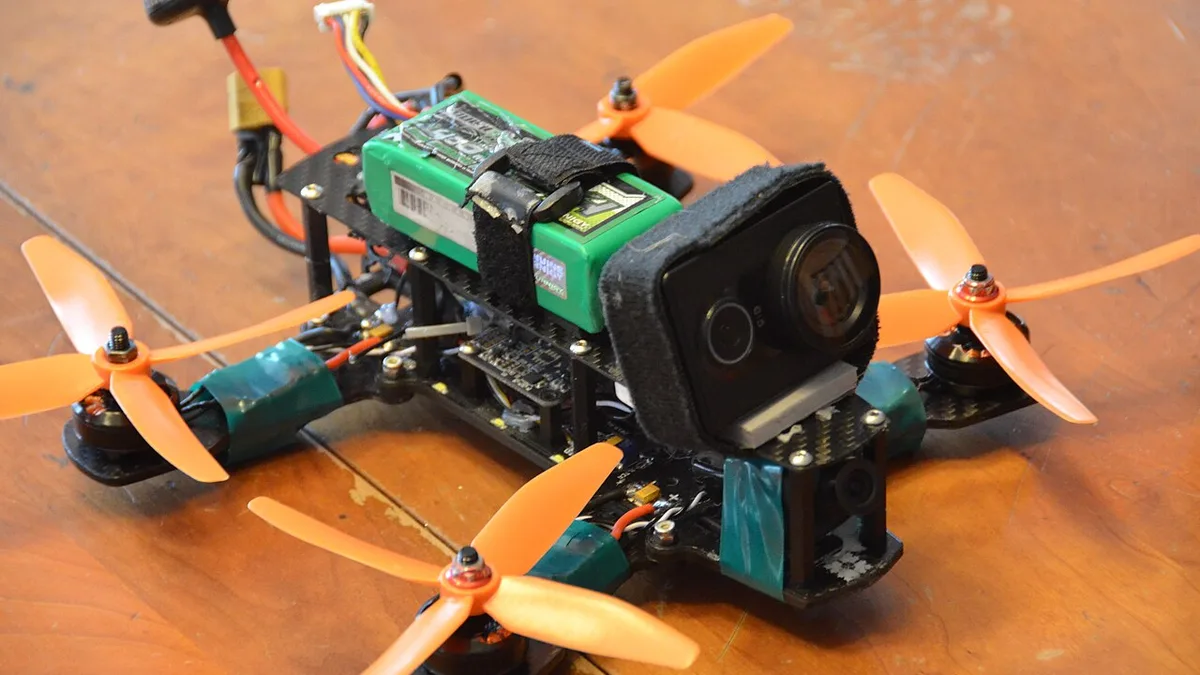
Indoor FPV filming can create a flowing tour through a venue, factory, hotel, showroom or event space. It is a specialised production workflow, not simply a smaller version of an outdoor drone flight. The location, people, obstacles, lighting and route must be assessed and rehearsed.
Define the sequence
Choose the story: entry-to-lobby reveal, factory process, venue walkthrough, hotel experience, showroom movement or event transition. List must-pass points, no-entry zones, speed, lighting, talent and the final edit length.
Prepare the environment
Clear or control people, cables, glass, fans, machinery, stairways, doors, reflective surfaces and fragile objects. Nominate a site marshal and a safety contact. A smaller aircraft can still cause injury or property damage if the route is not controlled.
Rehearse and capture alternatives
Walk the route, check lighting and radio conditions, rehearse without the final speed and keep a ground-camera or static shot option where useful. The pilot and production lead should be able to stop immediately if conditions change.
Plan post-production
FPV footage may need stabilisation, speed changes, transitions, sound design, privacy masking, colour work and alternate crops. Confirm whether the client needs a hero sequence, vertical cutdown, raw or log files and a final master.
Choose the story, not just the route
A continuous flight through a venue can be exciting, but the viewer still needs to understand where they are going. Decide what the first frame should establish, which rooms matter and where the film should end. A hotel may move from entrance to lobby to dining space. A showroom may follow the customer path from display to consultation area. A factory may need a slower route that shows process stages without exposing restricted equipment. Put the intended audience and booking or enquiry action beside the route map.
Rank the must-have beats. A narrow doorway may look attractive in a reference clip but add little to the sales story. If it creates a difficult or risky pass, replace it with a cut between two controlled scenes. FPV does not require every room to appear in one take. A shorter, clear sequence often helps a viewer more than a long uninterrupted flight that rushes through the most important space.
Walk the route with the site owner
Mark every doorway, glass panel, hanging light, fan, sprinkler, cable, stair edge and fragile display along the proposed path. Check ceiling height and the space needed for the aircraft, pilot and spotters. A floor plan helps, but a physical walk shows temporary furniture and moving people. Identify areas that can be closed for filming and areas that must stay in use. Name one site contact who can pause activity and one production lead who can stop the flight.
Do not assume a small aircraft cannot hurt someone or damage property. Keep visitors and staff out of the flight path during controlled takes. Give people a clear place to stand and a way to cross only after the pilot has stopped. If a live event or operating factory cannot be separated safely, use a ground camera, gimbal or static elevated view. The story can still flow through editing.
Test light, radio and sound
Indoor light can change from bright windows to dark rooms within seconds. Scout the route at the intended time and decide whether practical lights, a different camera setting or separate takes will work. Glossy floors and glass may create reflections that show crew or private areas. A first test should look for those problems before the location is filled with talent or props.
Radio conditions may differ around metal shelves, thick walls and machinery. The pilot should test the route within the production plan and choose safe stopping points. Sound from the aircraft may make live dialogue unusable. If the film needs spoken words, plan them separately or record clean sound on the ground. Do not promise natural dialogue from a close FPV pass without a sound plan.
Rehearse in stages
Begin with a walking rehearsal, then a slow controlled flight in an empty route. Check each turn and doorway before adding people or faster movement. The crew should know where the aircraft can land or stop if a door closes or someone enters. Rehearsal is also the moment to simplify a move that reads poorly on camera. A smooth turn around one product may tell the story better than squeezing between two shelves.
Record a safe alternate for every essential beat. A ground shot of the entrance or a static lobby view can protect the edit if the full route is interrupted. Agree with the client which parts may be cut together. A “one take” promise can create pressure to keep flying through changing conditions; a production plan with edit points gives the pilot room to stop.
Use people with clear consent and roles
If staff or guests appear, tell them where the camera will travel and what the footage will be used for. Use approved participants for staged scenes. Do not sweep through occupied guest rooms, private desks or confidential work areas. A drone can reveal screens, documents and security layouts in a few frames. Review the full-resolution source, not only the compressed preview, before sharing it widely.
For a commercial property, verify that the filmed route is normally available to visitors. A locked service door opened only for the shoot should not be edited as a public entry. If a facility is unfinished, label it accurately. The privacy guide can help plan people and background review.
Edit for orientation and comfort
Fast FPV movement can be tiring to watch when the viewer cannot see where the camera is going. Use a clear opening, readable turns and a short duration that fits the channel. Stabilisation may smooth the flight, but it cannot repair every abrupt movement or missing room. Speed changes should support the story, not conceal that the route was unsafe or poorly planned. Test the edit on a phone as well as a large screen.
Plan portrait crops during capture if social reels are required. A wide image cropped later may cut out the door, product or person that makes the scene clear. Ask whether the final file needs captions, music, text-free master and still frames. Keep original media and versioned exports separate so later edits can be traced to the approved footage.
Example: a showroom route
Suppose a Bangalore showroom wants a 30-second film from the entrance to three product zones. The scout finds a glass partition, a low hanging sign and a public aisle that cannot be closed during opening hours. The team schedules a pre-opening window, moves the sign with permission and changes the route to avoid the glass. Staff who appear are briefed. The pilot rehearses slowly, records the main move and captures static product details on the ground.
The edit uses the FPV path for orientation and inserts two ground close-ups so viewers can actually see the products. A vertical version uses a separately framed take. The final film looks continuous enough to feel like a tour, while every risky or visually confusing segment has a practical alternative. The client receives the planned story rather than a single stunt flight.
What to put in the first brief
Share the location, floor plan, intended audience, route ideas, must-show spaces, no-film areas, operating hours, people plan and channels. Ask for a scout, safety roles, staged rehearsal, fallback shots and a list of final formats. Clarify whether the client needs one apparent continuous move or a film edited from several takes. The FPV cinematography guide covers creative options; this guide helps make the indoor production controlled and understandable.
See the FPV cinematography guide and pre-flight checklist.
FAQs
Can FPV drones film inside an operating business?
Possibly, with owner approval, controlled access, people separation, rehearsals, equipment review and an agreed safe window.
Is indoor FPV safe because there is no airspace issue?
No. Indoor work still involves people, property, obstacles, equipment, privacy, fire or site rules and production risk.
Can FPV footage be used for real-estate marketing?
Yes, when the property, access, privacy, completion status, licence and deliverables are approved.
Plan your project
Share your site, dates and intended output so we can confirm a suitable scope.
FPV & Indoor Cinematics · Compare project scope · Get in touch
Related reading
- Cinematic FPV Drone Filming for Real Estate & Ads
- Drone vs Helicopter Aerial Filming in India: Production Comparison
- Drone Video Post-Production in Bangalore: Editing, Colour and Delivery Guide
- Restaurant, Café and Venue Drone Photography in Bangalore
- Data Centre Exterior Drone Documentation in India: Security-Conscious Guide
- Post-Flood Drone Damage Assessment for Infrastructure in India
Contact SkyViews Aerial Drone Studio at +91 90190 56479 or skyviewsdronestudio@gmail.com. Service area: Bangalore, Karnataka and India and wider Bangalore, Karnataka and India.